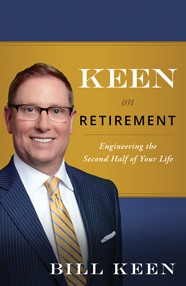
Bill Keen: Keen on Retirement: Engineering the Second Half of Your Life
Read the full transcript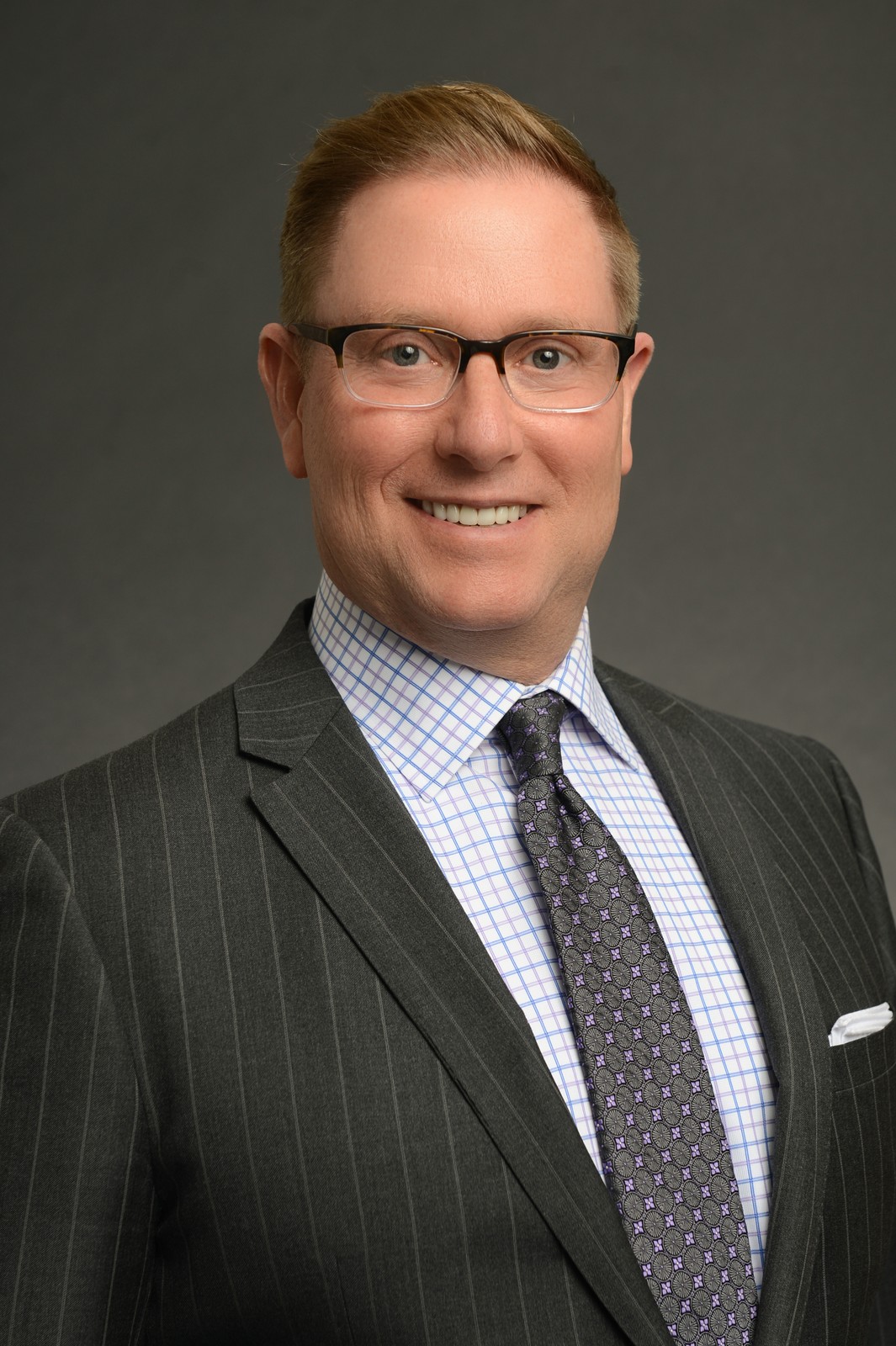
Bill Keen
Bill Keen is the founder and chief executive of Keen Wealth Advisors and a financial advisor with more than thirty years of experience. A childhood shaped by financial hardship led him to learn about saving and investing early, and he now shares that focus through national media commentary and the Keen on Retirement podcast. He holds the Chartered Retirement Planning Counselor designation, serves on the board of Angel Flight Central, and is the best-selling author of Keen on Retirement. He is based in the Kansas City area.
📚 Books by Bill Keen
Transcript
[0:00:14] CH: Welcome to Author Hour. Today, I’m joined by Bill Keen, the author of Keen on Retirement: Engineering the Second Half of Your Life. Bill is the founder and CEO of Keen Wealth Advisors and has more than 25 years’ experience helping people plan their retirement. When we think about retirement, most of us think about what our lives are going to look like after we stop getting a regular paycheck and yes, we do need to think about investment and financial planning which Bill walks readers through in his book but there’s more to it than that. We also need to think about the emotional and psychological aspects of retirement. For example, what is your day-to-day life going to look like? Have you really stopped and thought about what being fulfilled in retirement looks like to you? Bill helps readers walk through all of this questions in his new book. And in this podcast, he gives us some insight into what successfully planning for retirement you love looks like.
[0:01:18] NVN: I’d like to start, Bill, that you have described your career on Wall Street as the first half of the movie Wall Street combined with the movie, The Pursuit of Happyness. Can you tell me a little bit about that?
[0:01:32] Bill Keen: The thing that I relate to, Nikki, on this is it would Bud Fox without to Wall Street and he’s trying to make his way with no family money, no influence, no resources, he had a dream and a vision to go out beyond the suburbs that he grew up in and to try to make it if you will and for me, that was something that I related to because I’m from Kansas City, Missouri and I grew up with – not a lot of influence, no family money, no resources, no contacts but I knew that I wanted to be able to understand finances and to be responsible. To be able to go out and stake my claim. One, so I could take care of my parents in their later years or even in their current years and two, so that I would never have to experience some of the anxiety that I saw in them so that Wall street Movie, when I speak about it, I always make sure to clarify, it’s the first Wall Street movie and it’s only the first half of it. It’s before Bud Fox goes bad. Now, The Pursuit of Happyness is an interesting one as well. Because it speaks and it talks of a gentleman that really had again nothing, trying to get started and in The Pursuit of Happyness, the gentleman in that movie which is Will Smith, played by Will Smith. Worked at the same firm that I worked at actually at Dean Witter. A lot of the things that I saw him doing were things that I had gone through myself in that very same firm and he was able to stake his claim as well and make it if you will in the industry. When someone ask me about myself starting out, I say it’s a cross between the first half of the Wall Street movie, the original one, and The Pursuit of Happyness. If someone hasn’t heard or seen those movies, I would say go check those out.
[0:03:18] NVN: Absolutely. You touched on an interesting point here which is even when you were young, you had this idea, not only a financial security in mind but you are also looking ahead to caring for your parents. I know that for a lot of people, there is fear associated with that. Did you feel that or were you always able to be more pragmatic in terms of getting yourself set financially and planning for the future?
[0:03:49] Bill Keen: I remember sitting on my father’s couch in a very small apartment, waiting for his unemployment checks to hit the mailbox and that was back when they actually did hit the mailbox and not get direct deposited. For whatever reason, at that age, that young age, I internalized the anxiety and it was a tough time back then in the 70s and he had a difficult time with work and we didn’t know necessarily where the resources were going to come from week to week and month to month. And again, for whatever reason, I was a young person who experienced the anxiety right along with my father and from that, I attribute a lot of the focus and determination and intentionality about where I went with my life and career. But I can tell you at the time, it created a lot of stress and anxiety in myself which I wouldn’t trade it today looking back, but it caused me to go want to seek out how to be able to understand how the economy works, how finance works, how to be responsible. How to take care of my business and again, this probably wasn’t healthy for someone of my age but to be able to provide for my family, for my father, for my mother, for others so that really, not pursuing some wealth dream but pursuing just peace of mind for them. Peace of mind and the ability to just be not be riddled with anxiety around finances.
[0:05:24] NVN: Bill, on a personal level, was all of that education and attention and intentionality able to combat the anxiety for you?
[0:05:35] Bill Keen: Well, you know, I had a vision and I had a mission so the answer would be that helped, but no. It was very confusing and somewhat chaotic as I was growing up as a young guy, looking toward the future but it wasn’t until I got out of the house and got in to working on my finance degree in college that I could start to see things crystalizing, that I could start to really see how things played out and how things worked in the economy. I also had a great-aunt who was born in 1901. She has passed but she lived to be a hundred, she died in 2001. As a young person, she coached and counseled me on Wall Street as well. In fact, there’s a candy store called Russell Stover Candies. She was friends with Russell Stover. She held a high position at a well-known department store here in Kansas City called Emery, Bird, Thayer. She was a woman of means and she was kind of ahead of her time if you will and she coached and counseled me on what investing was like and looking at the Wall Street Journal and many other things around being responsible. All this collectively brought me into opening my first brokerage account when I was 16, still in high school and then working out in toward college and beyond with a mission and a thought about what I wanted my life to look like. Still very young and inexperienced, not knowing how it was going to play out but I did have a mission and I was very grateful, even today, when we meet with clients and their children and grandchildren. For me to know what I wanted to do at such a young age, I look at that as quite a blessing. Of course I have five kids as well. It’s nice for me to watch them try to figure out and find their way in life as well.
[0:07:21] NVN: Absolutely. You definitely sound like one of those people where the writing was sort of always on the wall regardless of how decipherable that writing was at a younger age.
[0:07:34] Bill Keen: I would agree with that because you only have so much experience and so much wisdom from a short journey at that point.
[0:07:41] NVN: Yes, absolutely. I’m intrigued by this idea of your aunt as an influencer because, based on her age, she must have been a young adult at the time of the depression.
[0:07:54] Bill Keen: Exactly.
[0:07:55] NVN: Yeah, did her experiences there inform how you’ve come to think about money and saving and planning for the future?
[0:08:03] Bill Keen: It’s interesting because she didn’t focus on those times. Now see, I was born in 1968. If you run the math, I did get my arc card this year for turning 50.
[0:08:15] NVN: Congratulations.
[0:08:18] Bill Keen: By the time she was coaching and counseling me, and mentoring me, we were into the early 70s so we were what, 40 years beyond the Great Depression years, and she was someone, imagine being born in 1901 and not even really seeing the automobile come on by and then be able to see a man go to the moon and what we had when she passed in 2001. Fascinating 100 years of advancement in our country in the world, she was able to see but she didn’t focus on the depression age and scarcity. Scarcity was not something she focused on, she handled investments, she was – had owned stocks, she also owned bonds and CDs but she had a balanced portfolio so she wasn’t – some folks we see from those generations or even past generations nearer to us than that, her generation, are very fearful. Thinking about stories, like you mentioned, of what the Great Depression was like. She wasn’t like that. She was someone who went out, staked her claim, worked her whole life in a very productive position as the personnel director and in the book that I do have coming out, there’s a picture of her meeting with two other executives and also her business card from again an iconic department store here in the greater Kansas City area that any of our readers will see, or listeners from Kansas City would remember.
[0:09:45] NVN: She sounds amazing.
[0:09:45] Bill Keen: Yes, it helped me that she had a more abundant mentality as opposed to a scarcity mentality, if that makes sense.
[0:09:52] NVN: Absolutely and it seems to me like there is something to be learned there because I think that so many of us can fall into a scarcity mentality and begin making decisions from that place. So it’s incredibly powerful to me that someone who actually lived through the depression was able to come out with this sense of abundance.
[0:10:16] Bill Keen: Yes, well, I think that she got to see how the story ended, she got to see – she got to play the tape out in fact and she got to see that even the Great Depression was a temporary situation. She had the resources to make it through the Great Depression. She wasn’t overly leveraged, she didn’t have debt, she wasn’t buying stocks on margin. You know, back and during the great depression, you could put almost like buying a house back in the crisis we had here more recently in 08/09. Back in 1929, you can put about 5% down and borrow 95% to buy stocks and then we come to find out, well wait, the FCC wasn’t even invented until the early 30s, after the depth of the decline in 1929. These things, people were buying stocks on basically borrowed money that weren’t even being looked at, there was no regulatory environment. Many of the stocks were fraudulent but for people who owned good quality investments that were not over leveraged, they made it through those times and what happened? The economy and the markets recovered and prospered. In my opinion, I believe that that fear that is so natural in every area of life is almost like, I don’t think my natural state would be fearful without having experiences that create faith around how to get through these things whatever it might be in any area of life actually. I believe that because of her journey and because of her history and hard work and diligence and living within her means, that she had that perspective, that helped her not live in complete scarcity and fear at the time that I got to spend with her. Gosh, remember, in the 70s, she was already 70 years old but I got to spend 25 or so really quality years with her and learned a ton. In fact, again, I mentioned her in the book, I also have a hole podcast episode on Keenonretirement.com Keen on Retirement on iTunes and Spotify and all the other platforms where I talk specifically about great-aunt Nina.
[0:12:30] NVN: I will absolutely be listening to that, aunt Nina sounds like a special one. Okay, let’s back track a little bit. Tell me how you make that leap from Wall Street to helping people with retirement planning?
[0:12:45] Bill Keen: Yeah, I got out of college and I worked for a company in Kansas City founded by James Stowers called Twentieth Century and Twentieth Century was a mutual fund company, I was able to get my foot in the door there and it’s a wonderful company, still around today, and I talk about this in the book as well because his family now has gone on to endow the Stowers Institute for Research and they have literally donated billions and continued to donate billions of dollars into cancer research and other disease prevention research sources. I spent a year there and I realized at that time that at this particular company, it was called a no-load mutual fund company which means, we could accept orders from clients but we couldn’t give advice because it’s called a no-load company which means we just had to accept whatever someone asked us to do and process the orders. I realized right off when I started seeing again, early in the journey but I saw clients calling in, doing things that were not in their best interest. They were selling investments at the bottom of the markets, they were wanting to buy in at the high on hype and I was seeing that happen, even at that age. Saying wait a second, I need to be in the part of this industry where I could advice and counsel clients. I left that company and cold walked brokerage firms and that’s when I was hired at Dean Witter about a year out of college. It was interesting, Nikki, because what did they do? Well, here I am the young kid from Kansas City and they said, once you pass your – a couple of exams, they’re shipping you off to New York and you’re going to be working in the south tower of the World Trade Center on the 83rd floor. It was an interesting situation and, again, kind of tied that back to how we open the episode today. I was somewhat of a fish out of water but I was enjoying it and taking it all in. I was there just a month after terrorist drove a rider truck into the parking garage of the World Trade Center and detonated a bomb. You might recall that in 1993. Taking us back a little ways here.
[0:14:59] NVN: Yeah. Wow, how long were you in that building for?
[0:15:05] Bill Keen: I was out there for off and on for approximately a year and it was an interesting time to be out there just with things that were happening. I stayed right across the street, we were supposed to stay in a hotel that was between the two large towers and of course, that was not functioning at that time. I stayed in a high rise condominium, right across the street, look out my window at Madison Square Garden on 31st and 7th avenue in New York. Imagine today I wear ear plugs or I have white noise to try to go to sleep here at age 50. Boy, at that age, it was sirens and horns that I got used to, lull me to sleep, Nikki. You asked me, you did ask me a question though about how I got into retirement planning and to expand on that, as I got into the business back in the early 90s with this company called Dean Witter. It was really more of the old traditional stock brokerage firm that 27 years ago was unfortunately one of the only things available for your general investor. Yes, we had mutual funds and a myriad of different investments there but there wasn’t any financial planning, true financial planning for folks where we looked at can I retire someday, do I have enough to live on? What will the tax ramifications be, what will health insurance look like, do I have the will, do I have a trust, what happens to me if I pass away. Will my kids, my spouse be taken care of grandkids, charities. All that type of holistic financial planning was not on the table back then. It was only focused on investments. That is something that has played out much differently in the last decade or two as our industry has played out. What has attracted me to ultimately – to found Keen Wealth Advisors as a registered investment advisor and to create the discipline in the process and the holistic planning process that we had in place at our firm today, Keen Wealth Advisors. I do talk about as succinctly as I can in several hundred pages of the book that we have coming out.
[0:17:15] NVN: Talk to me about this sort of holistic plan that you guys advocate at Keen Wealth Advisors? What things do you want clients to be thinking about outside of investment as they begin to plan for retirement?
[0:17:30] Bill Keen: Well, I think that it goes way beyond the numbers and so many look at retirement and investing, taxes, different aspects to their financial planning as just numbers and the numbers are very important. The numbers have got to be right. Things have got to be accounted for, precisely accurately and planned for. Of course they do. But it goes way beyond the numbers when you’re really looking at someone’s plan and you know, this is something that I’ve learned and evolved over in my career as I’ve now been on a professional journey for almost 28 years and I’ve also lived life up until age 50, almost 51 now. You start to realize that one, time has now become the priceless commodity for myself and also for many of the clients that I talk to. I think 50, about age 50 is a break over point for a lot of people when they start realizing and again, not to be morbid but you start thinking, wow, I only have, if I live to a normal life expectancy, maybe I have 35 more summers, 35 more Christmases, 35 more birthdays. Again, not to be morbid, I’m just saying, we all have an end date and as you get older, you start to realize that time now is the priceless commodity. That’s not to say we don’t take care of our affairs and our business, of course we do. But we have to start looking at how we want to spend that priceless time and how we want to maximize it for ourselves and for our families and the people that we love and the legacy that we want to leave. However, that looks for each person. Now, I have a question that I ask when I’m delivering my classes. Is it okay if I ask you this question, Nikki?
[0:19:23] NVN: Absolutely.
[0:19:24] Bill Keen: Okay. Here’s a question and it speaks to the question you ask me and the question is this. From a financial standpoint, when is the best time to retire? Now, before you go, I’m going to say, from purely a financial standpoint, I’m trying to make a point here. When would be the best time to retire?
[0:19:44] NVN: I believe –
[0:19:46] Bill Keen: I can tell you what people say instead of putting you on the spot.
[0:19:51] NVN: I’m sure, if I have this the right actually. Because I think I do know the answer, which I may be eating those words in a second but I believe it’s 70.
[0:19:59] Bill Keen: Okay, this is a great answer that you have. Let me tell you, the most common answers that I received when I ask that question and I will admit, it’s a trick question. I get 62 because 62 is when you can start receiving social security, of course it would be a reduced amount from your full retirement social security but you can start receiving it. Others do say 65 because that’s when you can receive Medicare which helps big time when you're retired and with your medical care and insurance. Some say 59 and a half so pulling it back a little here because that’s when you can access your retirement accounts without a penalty. You can get to your retirement accounts without a penalty before 59 and a half but it’s a little cumbersome. 59 and a half is what I hear and I also hear age 70 because that is the latest you should start taking social security because it doesn’t go up any further than 70. You should never wait past 70 to take social security and 70, at least under current law, 70 and a half is when you have to start taking money out of your IRAs. All of those are legitimate answers. But occasionally, someone will say, from a purely financial standpoint, the best time to retire is never. Believe it or not, that’s the correct answer. From a financial, yes, Nikki, from a financial standpoint, you could always work another year, you could always save more money, there’s always a reason to justify putting off retirement and have another year of saving and investing and another year of not spending. I don’t want to encourage anyone to retire before it’s prudent, but I believe that when you have the resources to retire, you should consider doing so, there’s a lot more to life than saving and investing until your dying day and I’ve seen this, I’ve witnessed this, I’ve been in over 15,000 client meetings in my career and I get to see the themes that come out, I get to see the dangers, the opportunities, the strengths, the emotion and there’s a crossover point financially, mentally and emotionally when you know it’s time to leave the saving phase on the working time of your life and to start spending some of your resources and enjoying your time, working on your health, eating well, exercising, spending time with your loved ones. Checking off the bucket list. I’ve seen it many times and it’s really fun to watch people walk through that process, get up to that point, make one of the biggest decisions they’ll ever make in their life and that is to enter the next phase of life by retiring.
[0:22:37] NVN: I’m curious. Since selecting retirement age has to do not just with financial elements but also mental and emotional elements but also mental and emotional elements. How do you help people project ahead of time when that correct point to aim for will be?
[0:22:54] Bill Keen: At a minimum, we recommend that folks sit down at least 10 years prior to a potential retirement date. So many of us in America, even if we are employed and we work for companies that we’re saving money in 401(k)s in retirement accounts and we’re living within our means and we’re doing the things that we should be doing to be prudent and to plan for the future, so many are on autopilot with that. Again, I see 50, not because I am 50, I saw this before I was 50 but I see age 50 as this kind of wakeup call where people start to say wait a second, I can imagine being old enough, being at a point in time in life where I don’t have to work anymore and for the people that we work with that I work with, that I really enjoy working with as well, there are people that started with nothing, they’re like me, they say you work with people that are like you in our industry, they started with nothing, they’ve lived within their means, they worked hard, they were intentional, they were disciplined, they delayed some gratification over time. It’s sometimes hard for those folks to even imagine that there could be a day that they do not have to go to work anymore because they’ve saved enough and they’ve invested enough that their assets will support their lifestyle until the end of their lives. I recommend strongly for anyone that’s on this path if you're 50 or over, you should be doing the things that we talk about in the book that we have coming out and you should also be sitting down, in my opinion, if you want to try to do this on your own, you can but it’s sometimes, it’s very difficult to hold yourself accountable and it’s also very difficult to see the blind spots that you might be missing in your own plan. We say, it’s hard to see the blind spots with the blind spot and that’s why I’m biased in this effect that I believe that someone should find a fiduciary advisor or advisory team that has a very disciplined process and a specialization in retirement that’s going to help them see around corners they otherwise couldn’t see around and that would be 10 years out or more. That comes to money, yes of course taxes, social security, Medicare, all those things but it also comes with thinking about what you are going to retire to not what you’re retiring from. So many get that confused. We’re just going to retire from and the question we pose it’s a couple, especially, we’ll have both spouses present as much as possible because we want to make sure that they are on the same page with this. What will life look like and what will we retire to in retirement? I can expand on some of the things that people retire to but the preparation and the thinking about the psychology and the emotion is just as important as the preparation for the monetary assets and the details.
[0:25:51] NVN: Let’s dig into this a little bit because my guess is that this is the part people think about less. So why is this psychology an emotion of this so important?
[0:26:01] Bill Keen: What’s your minimum investment to work with someone? Because a lot of this firms have a million dollar minimums or multimillion dollar minimums and I say my minimum is that someone needs to be grateful and humble on most days and what that means is basically a nice person and just being committed to being responsible for their retirement and their planning and their wealth building. That’s the minimum. So it is a different answer. It is not a monetary minimum because I am staffed in such a way that we can help anybody that comes to us with those attributes but thinking about working with engineers, engineers fall into that category. They are naturally planners. They are typically folks that have worked hard, lived within their means, they’re planning oriented. They are processed driven. They love measurement. They have sold their brains over the course of their career to others who needed to hire them because that is where they specialize. So they understand that they need help outside their field of expertise. So while all my colleagues around the industry think we are crazy for working with engineers because they are so detail oriented and demanding, see I disagree. We love working with the engineering community and to tie that in with your question, you would think well engineers are some of the smartest people on the planet without them, many of our technological advancements or power plants or water systems none of it would be here. They would be crumbling away, they actually need help with this retirement planning and investing and how could you possibly get an engineer to talk about his or her emotions, but the reality is, it is every bit as important for them to sit down and say and get conscious of the fact that we have never been retired before. So we do not know how we are going to react to things like spending every moment with our spouse and I have something in the book that I’ll talk about it now. But there is a funny little cartoon that we had made that says, “I said for in sickness and in health until death do we part but not for breakfast, lunch and dinner” right? So I see this a lot Nikki where someone who’s been very successful financially but now both spouses are on top of one another figuratively all day long and they have to figure out a rhythm for what are they going to be doing in their life with their time so that they are not driving each other crazy. And they love themselves greatly or pardon me, they love each other, they have been married 40 years let’s say, life is good but they have to come up with a daily rhythm for how they’re going to do things and discuss it ahead of time, well ahead of time. What will our days look like? Are we going to babysit the grandkids and if we commit to babysitting the grandkids on Mondays and Tuesdays, are we going to allow that to evolve in we now have to babysit the grandkids all day every day for the next three years? These are things that we have to talk about upfront because one might think yes and the other might think, “My goodness no, we retired so that we can travel and pursue our interests” are these things making sense to you to some extent here? Because it is not about the money at this point. We are talking about life now.
[0:29:12] NVN: Absolutely. I mean it sounds like what you’re asking people to do is really visualize their day to day life in retirement and what that specifically looks like.
[0:29:22] Bill Keen: Without question, and I would say that a competent quality financial advisory team should be asking these questions of their clients. We are in a very unique situation in that folks come in and they’re laying out their financial lives to us, and think about the financial world and we should be in this day and age with all of the fraud that is going on and the different things that we see, the cybercrimes, we should be very guarded about our finances. We shouldn’t talk about things, it is not a comparison. We should keep these things very private but to get help, folks have to come in and lay out their information to us and we are asking things about their family trees. We’re asking things about where they lived growing up. We are asking, “Did you have resources, did you not? Was it stressful?” Much like my story. We’re you the oldest, the youngest, the middle? Were you one of 12 or the only child? Well why does this matter? Well, these things do matter because I need to know and my team has been trained to need to know how someone got to the point where they are sitting across the table from us, what has gone into creating their view of the world and how they interact with their family, their money, their situation, their health. We need to see do they have kids that are going to be relying upon them, maybe grandkids. Do they even have parents that are going to need to be supported by them? I see many in the sandwich generation today and I am frankly one of them where they are supporting parents and children at a certain point in time. You think that doesn’t go into the retirement planning numbers? Of course it does. These are things that we need to understand about upfront. So it is naturally, if a financial adviser is doing their job in my opinion correctly, they are not just talking about yes, give me your money so that we can invest it. They are getting very personal with the people they are sitting across the table with and understanding that to folks sitting across the table at this very moment, this conversation is everything to them. This is their entire life and for us to be able to advise somebody how to invest their money and how to tax plan and how to do with estate planning, wills, trust, timing, we have to know what got them to where they are today and how they’re wired. And if we can do that, it sets the stage with both, if folks are married, if they are not, if it is just them then that’s great, if they are married now we’ve got both people at the table. We start hearing both stories and then we can roll into what their vision is of retirement and again, tying all of this back in there. Well what’s this going to cost? See? It is a natural question. We need to know what you want to do because we need to figure out what it’s going to cost you so we can plan accordingly. But it sets the stage for real personal conversations that I don’t think many financial advisers are actually having. I don’t think they are going that deep but some probably are but I think it is super important and it is very personal to me.
[0:32:16] NVN: Yeah, what stands out to me is, I think that a lot of us tend to think of anything financially related as sort of cold. There is so much humanity to what you’re talking about here. So with that in mind, I’d love to hear a story about a client you have, your favorite story about how you really created an incredible second act of life.
[0:32:41] Bill Keen: Yes, well you know it is interesting but something came to mind and I am going to go with it for you because it is an incredible second act and it’s real and it’s real life. So I think it is appropriate. Not long ago I received a call in my office and when I looked at the caller ID, I saw the name of a client’s husband, the husband of the two and although we had a great relationship to both spouses, in this case we typically talk to the wife. When she called in for investment planning and just set meetings and I have known these clients for over 12 years and the husband had never been the one to call me. So he’d set up an alarm and before I picked up the phone I sense something might have been wrong and as it turned out Nikki, the wife had been diagnosed with a rare form of cancer literally out of the blue and given three to six months to live and you know while this is tragic news I would say. And I have been doing this a long time like I told you these things aren’t unexpected. They are unexpected, of course they are unexpected to the folks that are going through it, but if you look at a pool of people, we know that just ballparks number says some of us are going to have to travel tougher journeys that others, and if there is anything I have learned over the course of my career is people deal with hardships in life and we never know how our individual journey is going to play out. A couple of days after receiving this call, I found myself sitting at the kitchen table in the client’s home with one of my CFPs, one of my financial planners and wanted to make sure that all the aspects of this client’s financial plan were in order of course and this particular husband and wife had retired when they were in their early 50s and this is one of those issues where when someone retires in their early 50s, in some cases before but not often, it is always a point of concern. Because of the longer time period that they have to make their assets lasts. So normal life expectancy, the earlier you retire, the longer your assets have to last. It’s just common sense and a lot more work must be done upfront to ensure that they will have the resources they need to last the rest of their lives and the husband had a nice governor pension and the wife worked as an engineer, built a retirement portfolio. They had a farm, they had the resources to retire earlier and pursue their passion. And they were deeply involved in their church, they did mission trips and wanted to go around the world and they did that. So 11 years after having pursued their passion and having done the things they wanted to do to maximize their time, the wife received her diagnosis and you know I have been through this many times with clients now at this juncture of my career and they always look at me in the eye and ask the same question, “Will my spouse be taken care of when I am gone?” They are worried that someone will take advantage of them or the scammers will come out of the woodwork and find ways to get their hands on their assets. They are worried that somebody might come and maybe buy to offer some low offer on the farm. It is just so many things and for us, again you asked me about someone who had maximized their second act and I told you a story about someone who retired early, had 11 years to fully maximize and live their life. And that client has since passed and from a financial standpoint, the spouse doesn’t have to worry about anything and she has a team of professionals that protect her. Anybody that calls to her or talks to her in any form or fashion, she calls us instantly, forwards the emails, whatever or he does. He calls and forwards the emails and whatever she needs to have a team in place of us, the CPA, the attorney and taken care of but it is a real story that came into my mind that is real life. And I think it denotes the power of folks planning, living life to the fullest, leaving everything in the field, I’d like to say. We don’t need to be shy about pursuing the things we want to do and go after it if we are able and then being able to deal with the journey whenever it’s presented to us at any given day.
[0:36:48] NVN: That is really beautiful and what strikes me about that answer is I mean again, when we think of security and these situations that usually connotes financial security but this idea of having professionals there to rely on in those moments when you are alone and don’t necessarily know how to handle this situation strikes me as incredibly powerful. That’s security.
[0:37:17] Bill Keen: I believe it is and that only comes from a personal relationship and from knowing somebody and understanding their family dynamics and being current with them, being communicative and knowing where someone stands at all times and again, I think that’s very important and a theme throughout the book and a thing to run all of the – I don’t know, when we talked about our podcast yet, Keen on Retirement but a theme throughout everything we do and live and breathe at the firm. And me personally is about having a plan in place at all times so that we can control the controllable in a world where there is many things that are beyond our control, there are things that are in our control and sometimes, having the plan and having it updated is what we are in control of. We are not in control necessarily of the outcome but we are in control of the plan and having a plan and being pre-committed to certain things, if X happens we do Y and we thought about it first. Upfront, collectively with our clients that creates peace of mind. That creates confidence that we have done everything we can do to control the controllable. We have been prudent, we were living within our means and we can take whatever tomorrow has to present to us and that’s what I believe is true peace of mind in this financial and retirement planning, thought process as opposed to just how much money do you have and of course, if you have millions of dollars yes. It makes the plan better but if you don’t have these other things in place, it can go south quickly.
[0:38:52] NVN: All right and finally, talk to me a little bit about how you equate flight planning with or piloting with retirement planning?
[0:39:04] Bill Keen: Well, I know we are talking about the book launch coming up and of course it’s titled “Keen on Retirement” but I also have a website and a podcast called keenonretirement.com and it is a resource that I have made available. I believe there is nearly a 100 podcast episodes out. We’ve been doing it for over four years and there is something like a 100 blog posts out there as well. So it is a resource that I wanted to put out into the community. That people can click into and just hear experience and bring these things into a format where folks can tune in as they like, when they like via these podcasts and blogs and you will find that on those, if you’ve heard any of those and if you have attended any of our live classes that I routinely make the comparison between flight planning and retirement planning because I am a pilot. About 10 years ago, I walked into a flight school and I said, “I talked to everyone else about leaving everything on the field.” And by that I mean pursue your passions. Tomorrow is promised to no one, do the things that you can do within reason and within the plan and enjoy your lives and I was saying that to folks that I always wanted to fly and now I was 40 years old and I hadn’t pursued it yet and I walked in there and I said, “Give me the meanest, crustiest old flight instructor you have because that is how I respond. I want experience and I want someone to tell me what they needed to tell me and what I need to hear.” So I did that and now 10 years later, I am an active instrument rated pilot with a high altitude complex endorsement, high performance endorsement and I utilize my airplane to travel across the country to see clients and to go to events, conferences and such and it is something that has been very, very fulfilling but as I have learned aviation and I have learned flight planning, I start to realize that it is life or death when it comes to that and when it comes to the work that we do. In the retirement planning field, the decision that we’re making for folks and the decisions that clients ultimately make for themselves because it is their situation, it is fair to call them both life and death endeavors. Now you might remember the tragic death of JFK Junior. It was actually 20 years ago now, Nikki, I don’t know if you – it is funny how remember we talked earlier about how time is the priceless commodity?
[0:41:25] NVN: Yes.
[0:41:26] Bill Keen: Well now that JFK Junior tragic plane crash was July 16th 1999 so over 20 years and he was –
[0:41:34] NVN: Mindboggling.
[0:41:36] Bill Keen: It’s crazy but time passes. Sometimes we say the days go slowly but the years go fast and again to my point, let’s get our ducks in a row and let’s make the most of each day that we have but most people recall that JFK junior was flying his wife and her sister in his private plan to Martha’s Vineyard when they crashed into the ocean and unless you have pilot training however you probably don’t understand how it happened or why. When you are flying on a clear whether day, you can look outside and see the horizon so you always know when your plane is level and your body acclimates to that horizon. However, when you fly into a cloud or it is a dark night suddenly your visibility is reduced to zero and you can no longer depend on the horizon to orient your plane. So in a car there would be no way to safely navigate with zero visibility. Imagine driving down the road at 70 miles an hour and all your windows fog over. And you are supposed to keep driving now maybe in my example here, Tesla and Elon Musk will change that for us but at this moment, we don’t have that. At least I don’t know about it but an airplane has instruments that help keep the pilot, keep the plane right side up and one of the instruments is called the artificial horizon and that’s important. The artificial horizon is a lifesaver. It is the horizon that’s artificial but it is still the horizon. Now flying with instruments requires a special instrument rating that is hard for pilots to get and even after you earned it, you have to take ongoing training to maintain it and you have to stay current and proficient and the FAA has guidelines and my guidelines for my personal safety and proficiency are much higher than even the FAA’s minimum requirements. There is a ton of private pilots that just fly for fun and they never get that necessary training to even earn the instrument rating because it is difficult. Now when you are up in the air with zero visibility, your mind and body starts to play tricks on you. It is a little like getting seasick on the boat but not being able to see anything. Suddenly you start feeling disoriented, it is common that the plane will be turning one direction let’s say to the left but the pilot will actually sense that the plane is turning to the right. So if you are not trained to fly on these instruments, you feel the plane turning to the left. And because of physics, we won’t get in with fluid in the inner ear and being up on the air on an unstable axis. It is slightly behind so you are sensing things that aren’t really happening and you are correcting things and most likely making them worse. Suddenly we’re in a tight turn, more disoriented than ever and this can happen literally in a matter of seconds and if you don’t have your instrument ready and you are not current and proficient and you’re on those gauges. Watching exactly where you need to be, you just won’t know it. Now JFK junior didn’t have an instrument rating, but in the United States, pilots are allowed to fly at night without the instrument rating as long as they can see by the moonlights or lights on the ground. So ultimately his crucial error was a decision he made to shave several minutes only off his flight to Martha’s Vineyard buy cutting out across the ocean going directly instead of flying up the coast seeing city lights like he had done in the past. Once he was out in the ocean, haze was reported. It was dark, the ocean is like a black hole, he lost visibility and when the disorientation set it he became confused and we have looked at this many times and it’s believe that he took less than a minute before he was so disoriented that he flipped the plane upside down without realizing it. When he pulled out to gain altitude, he inadvertently flew the plane into the ocean. It might sound crazy, Nikki, if you have never flown the plane. But the disorientation that hits you when you have no visibility, it is just intense and you need to be able to read and fully trust those instruments to be able to survive. So it is something that I take so seriously because I am instrument rated and if I ever were to take off in the clouds or haze or imagine this, you are flying across the country and if you are in clouds, which we are a lot, think about commercial airliners. If you are in the clouds you are not really paying attention because you are not the pilot. But you are in the clouds, many times you look out the window and you can’t see anything because we are in clouds. Imagine the job the air traffic controllers have keeping all of those airplanes separated when none of them have any visibility outside the windows but in the same way and this is where I tie it together, you should never fly blind in your financial life and when you do, you put yourself and your loved ones at risk. You have to understand what you are doing. So you can put a plan in place, know your situation, know your assets, know what your objectives are, know where your starting point is, your ending point. It is your financial plan that becomes that artificial horizon that I talked about in difficult times when you feel like you are flying blind. So no matter what happens in the economy, in the political arena and believe me, lots will happen in the markets, your health, the health of a loved one, you name it. Your artificial horizon will keep you from making dangerous knee jerk reactions and I believe that having a fiduciary firm guiding you is like having Sully Sullenberger as your co-pilot. I really do. So I have lived this stuff, Nikki, and so I appreciate you letting me go more personal on our episode today and again, it is not just about – we can talk taxes and social security and Medicare, health insurance spending, so many things we can talk about with how this comes together. But for me it is about personal aspect to it and how folks really execute on these things in the real world with real emotions and real life playing out on a day to day basis.
[0:47:04] NVN: Yeah, of course. I appreciate you getting so personal on this, Bill, because I think obviously getting into the nitty-gritty of this can be very dry especially on a podcast where people want information but they also want to be entertained and you just did an excellent job of making this so engaging. I enjoyed listening to all your stories. I see why Jeffrey liked working with you so much.
[0:47:30] Bill Keen: Well, thank you.
[0:47:34] NVN: Thanks for joining us for this episode of Author Hour. You can find Bill’s book, Keen on Retirement, on Amazon. Visit authorhour.co for a transcript of this interview and to find other episodes with fantastic authors and you can head on over to iTunes so subscribe or rate this podcast. Until next time.
Want to Write Your Own Book?
Scribe has helped over 2,000 authors turn their expertise into published books.
Schedule a Free Consult