John Bogdasarian: Episode 368
Read the full transcript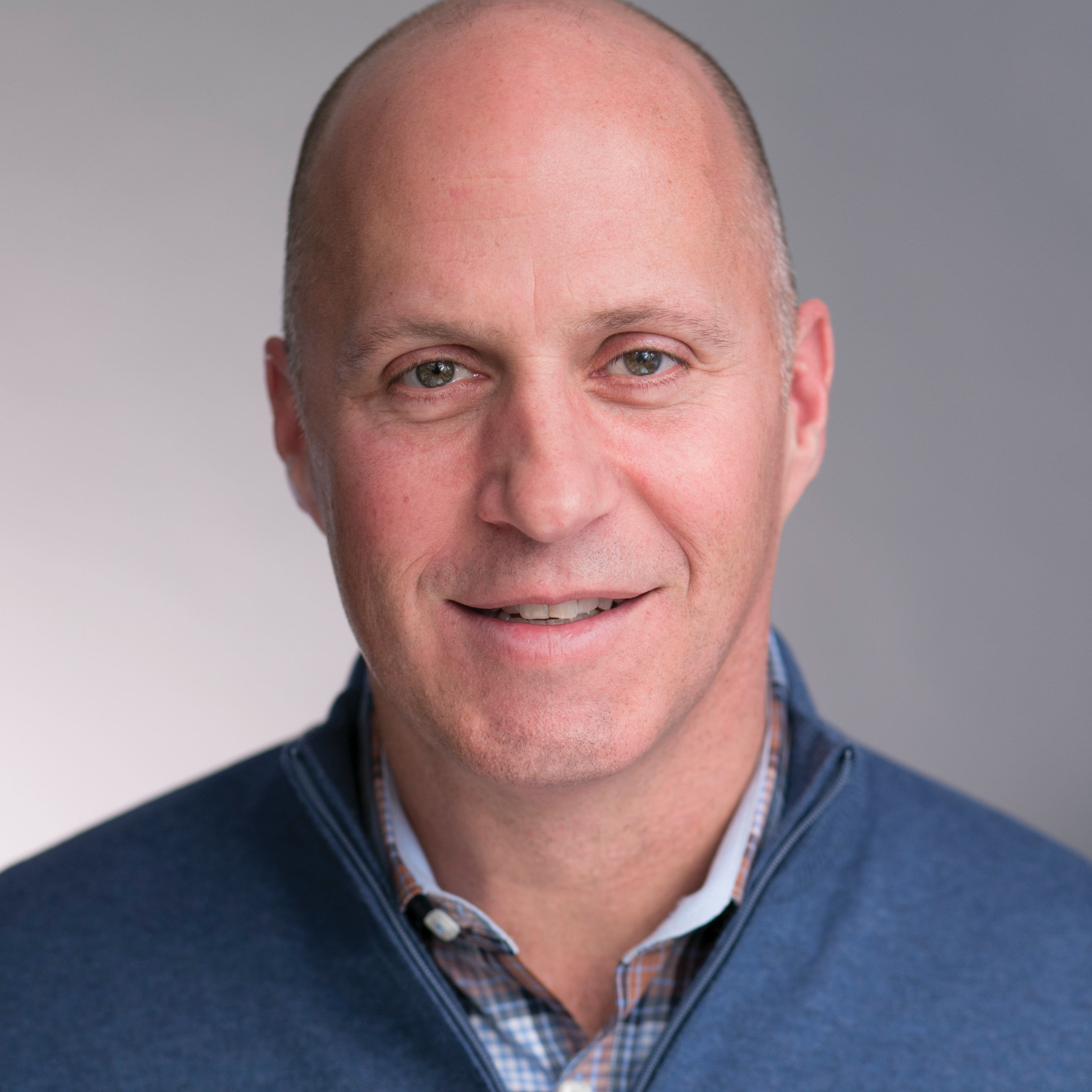
John Bogdasarian
John Bogdasarian is the founder, president, and CEO of Promanas, a real estate investment and development firm, with more than twenty-five years of experience in the field. A graduate of the University of Arizona, he began his real estate career in 1996 in residential sales in Ann Arbor, Michigan, then moved into commercial transactions and earned his Certified Commercial Investment Member designation in 1999. He founded Promanas with nine investors and roughly one million dollars for its first deal; the firm now manages over half a billion dollars for more than 400 accredited investors. He became a member of the Forbes Real Estate Council in 2018.
📚 Books by John Bogdasarian
Transcript
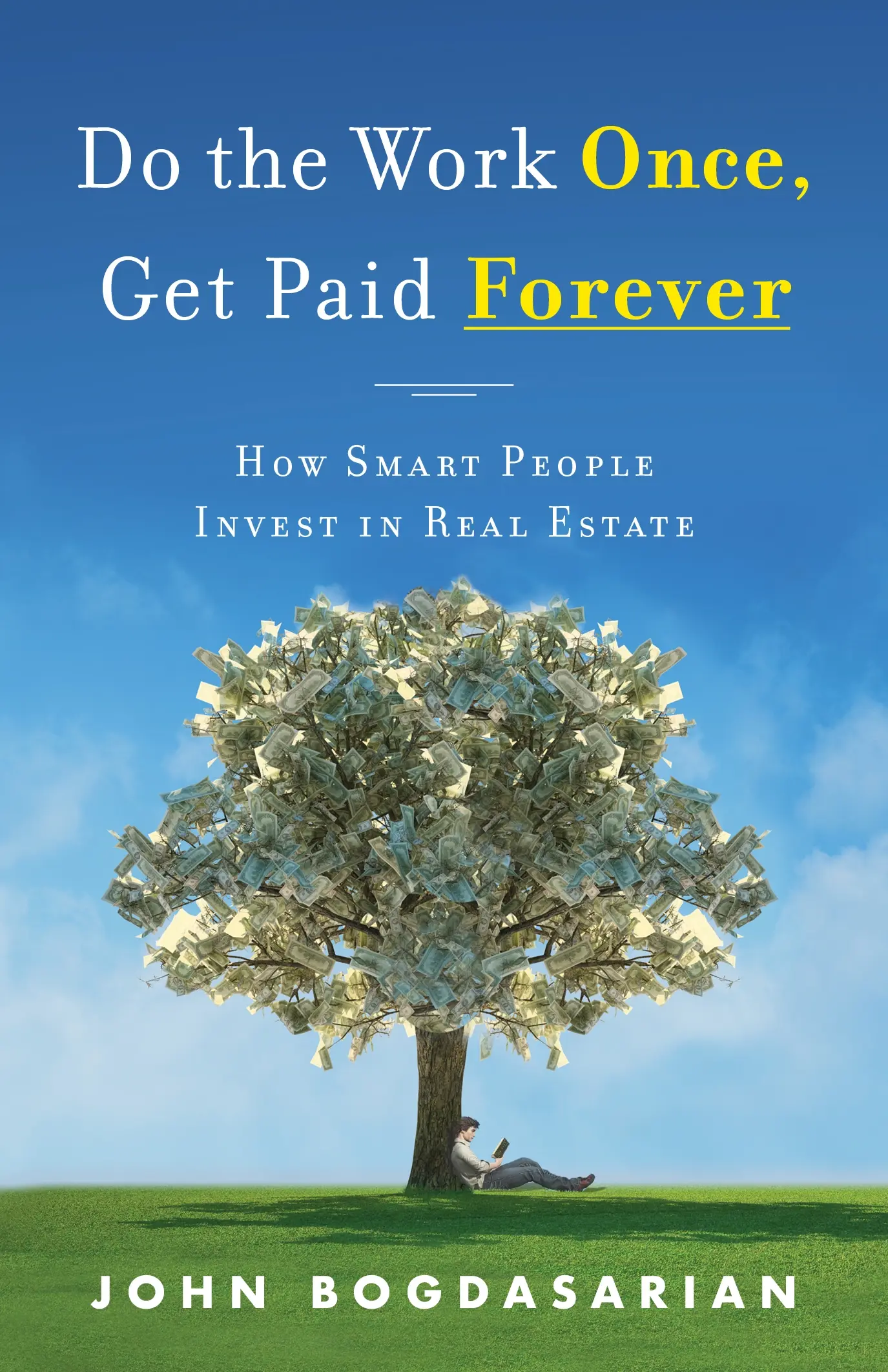
[0:00:34] NVN: John Bogdasarian has been investing in real estate since he was newly out of college and it occurred to him that he was going to have to pay his own rent. This prompted John to buy a one family home and rent it out to a roommate to largely cover the mortgage. In the years since then, John has become a real estate investment and development professional as well as the founder of Promanas Group which now manages more than half a billion dollars in real estate investments and has nine ground up developments throughout America. This isn’t a book about flipping though. In his new book, Do the Work Once, Get Paid Forever. John explains to readers why real estate is the most solid and predictably profitable mode of investment. He also walks readers through different types of potential investments, potential risks and rewards and how to identify a deal sponsor that can lead to prime investment opportunities. John, let’s start by giving listeners an idea about your background in real estate?
[0:01:33] John Bogdasarian: Well, essentially, after college, I came back to Ann Arbor, moved in with my parents and spent about, I would say six months saving up enough money to buy my own place because I didn’t want to rent. I had no problem renting up until that point because my parents paid for that. But once it became my dollars, I didn’t see the reason to pay rent. So, I actually bought a two-bedroom condominium for $50,000 and that was the beginning of my real estate career. I rented out one room to a friend and my net monthly payment was all about 300 bucks and after the tax deduction, I really pretty much lived there for free. And so, that was how I started and then I lived there for a year, sold it for 65,000, took that money and bought a nicer place and then found a tenant for that place and moved again and bought another place. And then in 1998, I found a portfolio of 16 single family homes that I bought zero down. It was kind of like an old Carlton sheets program. I don’t recommend it. I don’t recommend anybody do that but I was a residential real estate broker at the time. I knew the numbers pretty well and I bought these homes with 80% loan form the bank at 20% seller second, I had a 3% brokerage fee that I had on the sideline and I got a credit for I think it was like 60 or $70,000 for future repairs, so I had it pretty well dialed in and had that portfolio up until just a few years ago actually. That was the real start on the investing side and at the same time, I was a residential broker selling a hundred to 120 homes a year. I had sufficient commission income. Having started with nothing, I didn’t really have a lot of savings to put money down so my first deal was a zero-down deal, I hate to admit it but it is true.
[0:03:32] NVN: So, you’ve been investing in real estate pretty much for your entire adult life at this point?
[0:03:37] John Bogdasarian: Correct, I only regret not starting earlier because I go back to Tucson where I went to college and I look at what I could have bought things for there when I was goofing off for four or five years or so. And had I been aware back then, I would have probably taken three or four steps further, faster, but then again, you know, that doesn’t really matter but it is – it’s a product of time, anybody who is into real estate knows that it’s a product or any kind of investing for that matter, it’s a product of time and compounding returns. So, my only real regret is not starting a little earlier.
[0:04:13] NVN: I mean, I got to say, if that’s your regret about your college years, you’re doing okay in life, generally speaking. Well, the problem is, I would have had to tradeoff all the fun I had in college for you know, being in business which I can honestly say I didn’t do a lot of business in college.
[0:04:29] John Bogdasarian: Yeah. Or real work.
[0:04:29] NVN: As it should be. To an extent. Let me ask you John, I want to get into a more general conversation about this, but talking about how young you were when you got started, leads me to think about what you would say to people who are on the opposite end of the spectrum as you are and feel like perhaps, they’re older and won’t have the time to see the investment through over the long term like you have. What do you have to say to people in that position?
[0:04:59] John Bogdasarian: Well, actually, I don’t really recommend anybody go down the path I went down, other than if you’re young and you’re just getting out of college and I get an awful lot of – most of really back up. Most of my investors are credited investors, they’re professionals, they’re business owners, they’re older and who I end up talking to and giving advice to often times are their kids, they’ll ask me, “hey, would you mind talking to little Jimmy who is graduating from college and doesn’t know what he wants to do with himself?” And in that situation, my advice is always, pretty much along the lines of, “don’t work for income, work to learn something,” which is what I was doing. I wanted to learn how to sell, I wanted to learn a process, that’s why I became a real estate agent, I didn’t really want to be a real estate agent and I abandoned that relatively quickly in my early 30s when I focused on becoming a deal sponsor. But, if you’re older and you have money, you’re at a distinct advantage and that’s what this book that I’ve written is all about basically. It’s that conversation of you don’t need to have the expertise in real estate, you don’t need to know the deals specifics in real estate in order to make very good returns on real estate. And so, the focus there is on, what my conversation always is with the credited investor is the same conversation and it’s teaching them how to outsource their real estate investing and giving them far better odds of avoiding the mistakes that I made and had to live through and correct throughout my life. To try and gain 30 years' experience or 20 or five or whatever it’s been, you know, that’s just not possible. So, I don’t recommend they go out and buy a fixer upper or a duplex or try and start figuring out how to flip houses or do real estate developments. No way, I just wouldn’t do that. It’s been like a very, very long road, seeing a lot of things, overcoming a lot of challenges and frankly, mistakes that have been made on deals in order to get to where we are and what we’re doing today.
[0:06:58] NVN: It’s an interesting point of view to hear because I feel like flipping houses has become like a pop culture phenomenon in ways these days. You’re saying something different than what a lot of people do.
[0:07:11] John Bogdasarian: Well that, you know, it’s interesting that a lot of the advice out there, the books out there, the podcasts and the YouTube stations, all the stuff I see is about how to make money in real estate and then you realize it’s all a do it yourself or how to get in to real estate and how to handle these things and I am completely the opposite, that’s the last thing I would advise anybody to do.
[0:07:33] NVN: Okay.
[0:07:34] John Bogdasarian: I mean, it’s almost the reemergence of what happened when I got into the game a long time ago what got so many people interested into real estate were the Robert Kiyosaki books back when I was graduating from college, the Rich Dad Poor Dad series and I love that first book he had. I mean, that was what rained true to me. I thought, my gosh, if I could just own 20 single family homes and people were paying me rent, you know, I’d have no problems and I could write off into the sunshine. Well, even after owning those for 20 years, the returns weren’t that great. I mean, they were great for me, they were infinite because I didn’t put any money down, but he reality is, at the end of the day, single family homes are terrible to own as rental properties unless you can absolutely steal them because you’ve got say 1,200 square foot house, you have 1,200 square feet of roof to replace. But if you have a four-story building and you have 1,2000 square foot floor plates with 600 square foot apartments, now you have eight units and you have one 1,200 roof to replace. The economy scale just doesn’t work for single family homes unless you’re able to Airbnb it out and do all kinds of kooky stuff and that just becomes the management nightmare. Yeah, I do not recommend that at all, a matter of fact, I would say, a good 30 to 40% of the investors we have now actually participate in our deals have done things like that themselves, have decided that’s not for home and they’re looking for a better way to invest their capital in real estate without having to deal with the headaches.
[0:09:02] NVN: Speaking as someone who rents out a single-family home, I can agree with everything that you just said. It’s you know, I think there’s this notion, you can just sort of sit and find a tenant and let it sit there and make money and that is not the reality.
[0:09:17] John Bogdasarian: It can be for a period of time, but you’re right, at some point in time, it’s not going to be the reality.
[0:09:22] NVN: Leah. Okay, so, I want to talk more specifically about outsourcing real estate investing but before we do that, let’s go back to basics a little bit and share with people your thoughts about why real estate, while maybe not the sexiest way of investing is the best way to go?
[0:09:43] John Bogdasarian: Well, I think risk, I always like to say risk is proportionate to knowledge and for me, I don’t feel real estate is being very risky because I’ve gained a lot of knowledge in this space. You know, some people might feel that way about stocks, but I look at most things, most financial products as financial products. Companies don’t go to the stock market anymore to raise capital to grow it, they grow to the stock market to sell out and get a big pay day. And so, if I’m the guy buying, I’m getting sold to, right? It’s just logical to me and I know a lot of people could argue this and say, “well, but look at investing in the stock market over X number of years yields X percent return.” And, “okay, great. Take your six or eight percent of whatever it’s been for 200 years.” But we’re in a different world right now. Companies with no profitability whatsoever, they’re valued at billions and billions of dollars and I just personally don’t get that. Why would I do that? I’ll boil it down to an example that is so simple to understand that everybody can get. Just drive down the street I n your home town and look at your main street. If you’re in a decent town and you’ve lived there a while, you can look at a building and you can see that there have been five different businesses in that building over the course of however many years you’ve lived there. This happens everywhere. Main street Ann Arbor is nothing like main street Ann Arbor was 50 years ago. I would hazard to say that there might be no businesses from 50 years ago on main street an arbor that are still there, but the buildings are still there. If I’m a family that owns that real estate, sure, businesses have come and gone. They’ve gone under, big businesses, Borders bookstore has gone broke. You know? At times, you could have owned Ford motor company stock and you could have been a billionaire on paper and then you could have been destitute on paper and maybe it would be worth something again now. I don’t know. But at the end of the day, every business goes under. But real estate can’t. Locations don’t go out, people don’t – That’s the simplest example I can give to people is if you own the real estate, you not only have the safest investment but you’re also hedged to inflation because of things are more expensive, you can charge higher rents. And as long as you buy good locations, you manage things with tight controls, owning real estate is by far and away, in my opinion, the simplest, safest and easiest way to go.
[0:12:17] NVN: So, to alleviate people’s fears to the greatest extent possible. Let’s talk about a worst-case scenario which in my mind would be something like 2008, when you were in the market. What do you have to say to people about writing out periods where things go under and what that means as a real estate investor?
[0:12:37] John Bogdasarian: Yeah, that was an interesting time. Actually, that’s when I’d say, from 2009 through 2014 was when I accumulated more wealth than I ever thought I would in my entire life.
[0:12:51] NVN: Really?
[0:12:52] John Bogdasarian: Yeah, I mean, I wish we could, I hate to say it, but I wish we got another downturn like that.
[0:12:57] NVN: Yes, don’t say that.
[0:12:58] John Bogdasarian: Here’s the thing, it was – you know, if you were a stock guy then, if you were Warren Buffett, if you knew how to properly value something and when I talk about real estate as being the safest, the best, I mean, that’s form my perspective, it’s because it’s what I understand. If you know how to value a company properly, you may have that same insight. I read a lot of Warren Buffett stuff, I read his shareholder letters, I love his philosophy on things but he probably did 10 times better than me during 2008 and nine when people were absolutely dead panicking because share prices can come back a lot faster than real estate. Real estate’s slow and it’s very methodical, it takes a long time to move in any direction for that matter. With that exception of 2007 when it felt like it went off a cliff. But I owned, I mean, the great examples are, I still owned all those single-family homes and I originally bought those homes at a very good price in 1998. And in 2008, they were worth 40% less than I paid for them 10 years earlier. And I got a great price on them 10 years earlier. Did I care? No, not at all because I wasn’t selling them. And two, they were all fully rented and the rents didn’t go down at that time, they went up, there was more pressure on rental properties because people were getting foreclosed on so much, they needed a place to go and live and the foreclosures hadn’t made it into the market and gotten renovated and fixed up yet so like literally, my existing homes, I didn’t experience any vacancy at all. Then, what happened was, since I could go buy homes for 60 cents on the dollar from what I paid for them 10 years earlier and I knew what I could rent them for, I bought a bunch more. I bought eight more and for cash. I just was like, “gosh,” you know, I bought everything in the neighborhood that popped up under certain threshold and then you know, when the market comes back and they’re worth 150% more than I bought them in 2008. You know, 75% more than I paid in 98. So, these were not terribly expensive homes, these were like $100,000 homes. But you know, when you can pick them up for 30, $40,000 and you know the value, that knowledge and that experience gives you the opportunity to make the dollars.
[0:15:09] NVN: That makes a lot of logical sense. And then, when I hear that and stop and think about the people I know who were invested in property and got in trouble in that time, it was during that time, it was people who really – who the mortgage rate, the interest rates caught up with their mortgage because they had bought in that span of time that put people in perilous situations?
[0:15:34] John Bogdasarian: We were a lot of situations where people were just over levered on their property. They borrowed 75, 80% and when the valuations went down, the banks got panicky and then the regulators came in and their loan was out of compliance and they said to the owner of whatever it was, you need to come up with a bunch of money, which nobody had, so this is partly what our whole philosophy is based on. The fact that we went through this took advantage of this and you know, take advantage can sound negative, but taking advantage of these situations helps ride the ship, it puts everybody back on track. You know, while I kind of consider myself a little bit of a bottom feeder, at the same time, you're solving problems, you’re fixing things up, you ‘re making them better and that helps the whole market recover.
[0:16:18] NVN: Absolutely. Let’s return to this idea of outsourcing real estate and investing? What do you mean by that and what would that look like for the average person?
[0:16:29] John Bogdasarian: This kind of comes down to this whole conversation that I have time and time again with investors that are – it’s usually the first conversation that I have with the potential accredited investor who is interested in participating in our deals. I have had this conversation so many times and it became rather frustrating. So, as my good friend Tony Robbins used to say to me. Frustration leads to breakthrough. And I always thought that was kind of a funny saying but I’d realized it to be true and it really helps tune your mind right when you find yourself really frustrated with something. If you really try and link it to a breakthrough, it gets your brain thinking of a solution or an opportunity or something that comes out of this frustration. And that’s where this book kind of came from. I was getting frustrated by having the same conversation and I was seeing people that were focused on deal specifics. So, if we send a packet out to a couple of thousands of people on our potential investor list, I will inevitably get – I guess we have about 400 active investors that have participated with us and they will typically just gobble up the shares that we have, no questions asked at this point and we don’t really have that many conversations. But I will inevitably get 15 to 20 inquiries form people and what will happen, these are people that haven’t invested with us, but they’re on our potential investor list and they will ask a bunch of questions. And I’m always, I love to talk to people and hear their points in the deal, but there’s so focused on the deal itself. So, let’s say it’s a high-rise condominium like we just sent one out a while ago in Sarasota, Florida. It is an 18 story, $100 million condo complex. So, we set this out and the questions that we get back are really about the deal itself. You know the location, the construction quality the architecture plan, I mean no two people have the same question. They all have a question; they all have one thing they are focused on that they think might be that they found the Achilles heel of this deal and no two of them are the same. So, you get people not investing because they think that price per square footage is too high. Or you get people – and once you address their issue, they may invest, they may not. I don’t really care. It is not a job of convincing, we just present people with an opportunity that we feel is solid and if they do it great. If not, whatever. But the point I am trying to illustrate is there is no way on earth anyone has the knowledge, the experience or the expertise to analyze the deal that I have put out to you. You can’t do it. I don’t even care if you have as much real estate experience as me unless you have gone to the site, you’ve had the face to face appointment with the developer and architect down there, you have reviewed this city. I mean there is so much information to building a $100 million high rise in Sarasota. It’s Dropbox folders full of stuff, right? And then you need an independent appraiser, you need independent reports on our hotels we have HVS doing independent third-party market study. We do background checks on the developers that we partner with. I mean the due diligence process is extremely extensive. So, what keeps happening is people say well you know they are looking at the deal itself and my contention is the question you are asking all the wrong questions. You should be asking about John Bogdasarian and his team. What deals have you done? Are you putting your own money into this? What is the risk if doesn’t go well for you? “Why would you stay attached to this if it doesn’t perform? Tell me about the worst thing you have ever experienced in a deal. Tell me about the mistakes you’ve made. You know, who are you, where do you live? Are you married? Do you have kids? How old are you?” These are the questions that I think people need to ask before they invest with someone like myself or anybody in any industry. Do you put your money where your mouth is and focus more on the person because look, every deal we have is going to have a problem. It is going to have a challenge. We’ve had the craziest things happen. I mean on that boulevard Sarasota deal, we had our lender default on us mid-stream. Just default. “Sorry, we can’t fund your construction draws anymore.” This is a $75 million construction loan. We are $20 million in, we’ve had eight floors poured into the building and we can’t get a draw to pay the contractor?” Nobody had ever even heard of this happening before including the developers in Sarasota. Nobody knew how to fix this problem, so I mean that was an absolutely nightmare and I had to stop everything I was doing and spend a month and a half and loan the project $10 million to keep the contractor on site because if they walk off, its dead. And then I had to get rid of the previous lender and get his lien off the property and find a new lender and no new lenders would come into the project mid-stream. So, we were saved by a private debt fund out of New York through some good relationships that we have. And we put the project right back on track. The investors actually got a little opportunity there to make some interest on additional money. And there was a bit of an opportunity. But I mean you talk about like that thing should have been dead. I would say with 95% of all developers that project dies, but because we were the money behind it and we have – I wouldn’t say unlimited sources of capital, but we don’t have the typical limitation that most people would have because we’ve done well and we have investors that will write five and $10 million checks if we need it. And as long as they are going to get a very reasonable return and I can explain it to them. So that may be a little more detail than you want to go into. But those types of examples are the reason why when I look to invest in something, I am far more focused on the team that is behind it, on the advisor that is overseeing it and then I am on whatever it is, whatever widget thing I am investing in.
[0:22:29] NVN: Yeah that makes sense and it does seem to me like that is the thing that people tend to overlook and it is the most important when it comes down to it.
[0:22:38] John Bogdasarian: Yeah, I would agree.
[0:22:39] NVN: Okay, so for people who are listening to this and want to get started in investing, what are the top tips or things to think about that you would give to someone just entering in?
[0:22:53] John Bogdasarian: I would say there is a lot of information out there online. There is a lot of information in books. It depends on, I guess, your motivation on what you bring to the table. The book that I just put out is mostly about if you’re in a position in life where you have made money, you have built a nest egg and now you are just looking for good places to invest then I give tons of questions in there you can ask, the places you can go to find people like me and others that do what I do. Questions that you could just drive around and call signs of developers and questions you can ask them about their projects, things like that. So that I mean is fairly well detailed in there. I suppose if you are looking to – I mean is that what you’re asking about or you’re saying how to get this because I also get quite a few people that want to know how we do what we do and that is another conversation in terms of, if you want to get into real estate syndication and deals and stuff like that, how do you do that?
[0:23:56] NVN: So, you answered my question in the first part, however you also know way better than I do what people want to really know from you. So, let’s absolutely go ahead and speak to that if you hear that a lot.
[0:24:11] John Bogdasarian: Yeah, I mean I would say what people really want to now from me is that deep down inside I think what people really want to know is that I am trustworthy and that I am going to give it my best effort and then I am going to be transparent in how I operate and that we are going to report well to them. I mean those are the key things that people want to know, when they really get down to it. We do have people that will never get out of their own way in terms of deal analysis. And everybody has heard the term paralysis by analysis and there is a certain mindset out there. I am susceptible to being this way myself. We say no to 99 out of 100 deals because we just can’t get comfortable with it. And so you know my advice back to people is make sure you are a 100% comfortable investing with the people you are investing with and confident that you are going to get their best effort. But that is where it boils down to is I think if our returns didn’t hit projections, fortunately we really haven’t had any terrible experiences like that, but you know I’d like to think that we present, we certainly have had investments and things where we’ve had to pivot or they took longer than we originally projected. But you know as long as I am reporting to them and the returns are there and the deal is solid and you know it is working out, that’s okay. They know they are getting my best effort. They know if there is an issue, we are rolling our sleeves up. We are making it happen. I think that pretty much answers the question. I don’t know if I digressed from there.
[0:25:51] NVN: So, you mentioned a couple of minutes ago about how there are a lot of real estate books out there. So, let’s talk a little bit about what you feel it is that sets this book apart from some of the other options available to listeners?
[0:26:07] John Bogdasarian: Yeah, so it is called Do the Work Once, Get Paid Forever and originally, I used to say that all the time to people about, “here is why you need to buy real estate.” You know you just buy the property, do the work once and then set it up and forget about it and get paid forever. So, it is really at the properly level which was more along the lines with most of the books you’d see out there today, which are telling you to buy this house, fix it up, rent it out. Buy a duplex, flip this, you know house, whatever I mean there is gobs and gobs and gobs of them. But really what it’s translated too for me is by doing the work once, you are finding the right people to invest with once. You are spending a little time upfront to find good solid people. You may actually think of it as you’re shopping for deal sponsors and good investment advisors, just like I am shopping for real estate deals all day long to do or my wife is shopping for the hottest Lulu Lemon thing to come off the shelf. I don’t know. Or actually it is probably more appropriate to say she is shopping for things for my kids at this point in time because we have four kids that she has to now shop for. But at any rate, it is shopping and it is shopping in that sense is what I mean to say, it is shopping in the sense that if you are not in the market looking for anything, I don’t care if you’re looking for a boat, a car, a house, a piece of real estate, a deal sponsor, a significant other, a life partner, whatever you’re doing you’re shopping for it. And you really, the more you shop, the more you look around, the more you really focus in and do that work once then the results of that can last forever. Nobody needs to rebuild their relationship with me as an investor. If they have invested in my once, they have my loyalty forever and typically I have theirs. Very seldom, very that we have anybody stop investing with us. If I did it right coming up here on what year is this, 2019?
[0:28:06] NVN: Yes, that is correct.
[0:28:08] John Bogdasarian: Doing my math quick, coming up here on 17 years ago, if I did my work right upfront then you know I reap the benefits of a wonderful marriage and a beautiful family for the rest of my life. So, it applies to everything and that was the thing that I had a couple of friends I gave this book to for an early review and the only response I had was, “couldn’t you put more war stories in there of deals and how your team came in and fixed the deal?” And I edited a lot of that out because I really wanted it to be more of benefit to people, not a book about how we do this or what we have done and rah-rah pound my chest. It is more I am not the only guy here doing a great job or doing a decent job or whatever you want we say we do. That is not for me to say, that is for other people to say I am a genius I won’t say that. But anyway, we do. We obviously do a pretty good job and we have built a good business and a great reputation but so have a lot of people. So have a lot of people all over the place. So, this is designed to teach you how to go out and find these good people, how to prospect to find good people and it is applicable to everything in life. It is the one skill I say is absolutely instrumental to leading a wonderful life. Some people do it naturally and they’re not even conscious that they do it. I’ve always referred to it as prospecting, as originally taught it by a guy named Mike Ferry, who is one of the top real estate educators in the country but it applies to everything.
[0:29:37] NVN: Excellent. All right John, is there anything else you want to share with listeners that we haven’t gotten to yet?
[0:29:43] John Bogdasarian: No, I mean I think at this point you need to read the book. You got the whole thing right now I am just saying but you know get it if you want and it wasn’t designed to be a bestseller. I mean if it is great, whatever. I hope it helps people. I think it is more than $12 worth of information there, whatever it cost to buy. I actually didn’t have anything to do with pricing on it. I will tell you it was a great experience doing it. I am not sure I would do it again. I am not a writer, so it was very difficult for me to get my thoughts together and organize them in what I think is a reasonable way. But if anybody ever wants to get a hold of us or be our list or copy what we do or whatever, we’re here to help anyway we can.
[0:30:31] NVN: Great, John. Thanks for joining us for this episode of Author Hour. You can Do Work Once Get Paid Forever, on Amazon. A transcript of this episode as well as all of our previous episodes is available at authorhour.co. For more Author Hour, subscribe to this podcast on your favorite subscription service. Thanks for joining us, we’ll see you next time. Same place, different author.
Want to Write Your Own Book?
Scribe has helped over 2,000 authors turn their expertise into published books.
Schedule a Free Consult