PJ Dinuzzo: Episode 504
Read the full transcript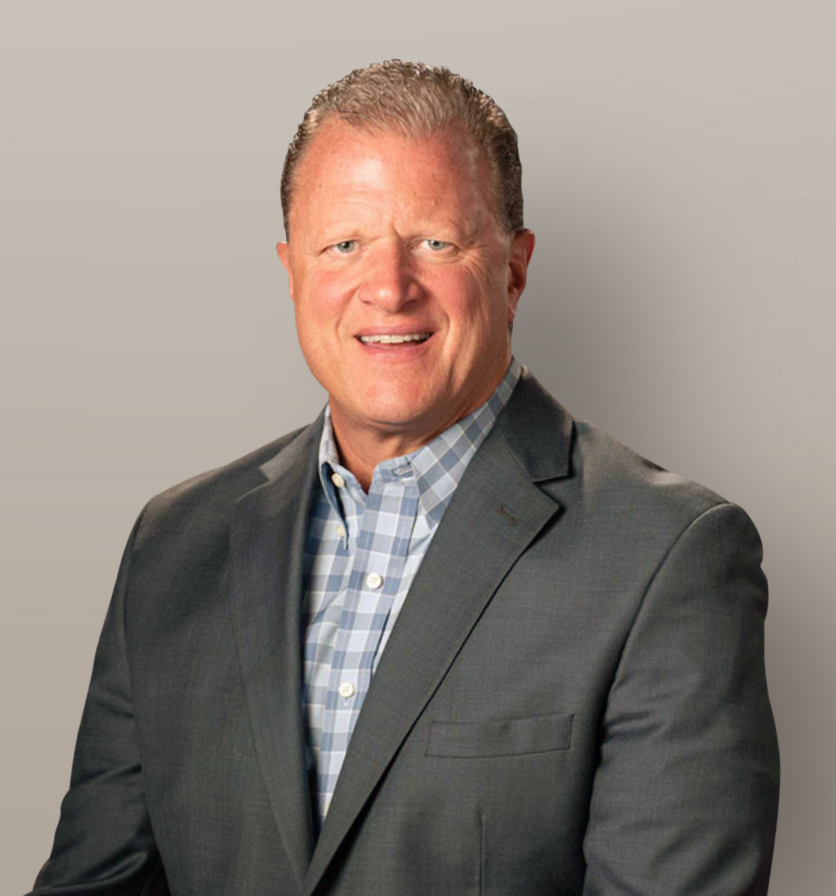
PJ Dinuzzo
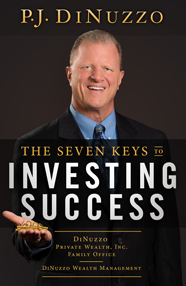
P.J. DiNuzzo, CPA, PFS, AIF, MBA, is the founder, president, and Chief Investment Officer of DiNuzzo Private Wealth and DiNuzzo Wealth Management, an SEC Registered Investment Advisory firm he has led since 1989. With more than thirty years of experience in the industry, he was among the first fiduciary standard advisors in the country and one of the first hundred advisors approved by Dimensional Fund Advisors. A sought-after speaker, he has appeared on CNBC-TV's Power Lunch and on Oprah & Friends on XM Radio. He is the author of The Seven Keys to Investing Success.
📚 Books by PJ Dinuzzo
Transcript
[0:00:00] PJ Dinuzzo: When I wrote the book, I wanted to be able to help anyone who picked it up to help them move forward and improve their personal financial life. And those do-it-yourselfers can use it as a how-to manual. And I think they can be very successful within their comfort zone of not hiring anyone else, but literally doing it themselves.
[0:00:22] Host: For many people, the thought of planning one's financial future evokes fear and anxiety. Not only is there a lot to think about and plan for, but there is so much information out there telling us what we should do, it can be overwhelming deciphering it all. Plus, how do we know which strategies are right for us? PJ Denuso understands this feeling of pressure and overwhelm firsthand after losing his father at an early age who felt crushed by the weight of financial pressure and trying to navigate the complex jungle of investing. This stayed with him and he set out to ensure this didn't happen to others. And for the last 31 years, he's helped people architect their life plan and feel confident about their financial future. And in his new book, The Seven Keys to Investing Success, PJ brings the collective wisdom of world-class institutional investment strategies down to a personal level. And in today's episode, PJ walks us through his seven keys to help you feel empowered, to make smart money choices, to live your best life. Enjoy. Hey everyone. My name is Myles Rote and I'm excited to be here today with PJ Denuso, author of the seven keys to investing success. PJ, I'm excited you're here. Welcome to the author hour podcast.
[0:01:47] PJ Dinuzzo: Hey Myles, thanks for having me. Thank you.
[0:01:50] Host: Yeah, of course. So let's get started by just telling us a little bit of your background and what inspired you to write this book.
[0:01:58] PJ Dinuzzo: Yeah, Miles, long story short, I've always sort of been good with numbers, even on probabilities. That's the way my mind's always worked from studying baseball cards as a little kid in grade school. And just always had in my heart to help other people. You don't know what your calling is gonna be in life, where you're gonna end up using your skills that you were given. And just from helping other people and just from my background of what I was good at, Just got into the wealth management area of the world, financial planning, investing, and it really came up with my father, who was one of 13 children. His family had no more than high school education, and I just saw the challenges that he had that he went through five or six different stock brokers. and different advisors and it actually he had a life shortening episode because of the stress that he was placed under. They took that more than to heart with his situation. I feel if he had a proper advisor and he if he had good solid financial advice, a good financial planning and wealth planning advice, He would have lived actually a much longer life. So it's very personal to me. And once I saw that, I just never wanted to see that happen to another person who I ever knew again. So I started helping family, friends and relatives. officially started my practice in 1989 with zero dollars and grew to where we are here now 31 years plus later.
[0:03:16] Host: First of all, that's a beautiful story and very inspiring as far as wanting to help others and save other families and people from having your experience. So who should read this book? Is it people getting into retirement now or starting to think about retirement? Who should pick this book up and read it?
[0:03:35] PJ Dinuzzo: I tell folks that pre-retirement would be ideal. I talk to clients' children and grandchildren. They'll ask me, PJ, can you talk to my son or daughter or grandchild? I've told them the same thing for decades. If you want to know what your financial plan is, your retirement plan is for the future, And your financial independence go and take a look at the closest mirror the next time you walk by you're looking at it. And you can never start too early. You can never, you can start in your teens or your twenties to get into good savings habits and good spending habits. So definitely folks in pre-retirement, but to be more pragmatic, it would really be that last five to 10 year stretch coming down. The runway approaching retirement will be the ideal time for someone to really start focusing on this a good decade out before retirement.
[0:04:22] Host: So what would you say to people that do have that stress response when they're thinking about retirement or financial planning and someone like your father who felt overwhelmed by trying to think about those things? What do you tell people who, when they start to think about financial planning, they just shut down?
[0:04:42] PJ Dinuzzo: It is and it can be overwhelming. One of the things that we have to be very sensitive to in meetings is that we're dealing with individuals who are highly successful, college professors, engineers, architects, attorneys, CPAs, folks all across the professional spectrum. And these are individuals, women and men who are very successful with their career. But really personal finance and everything that goes around it regarding preparing for retirement and having a successful retirement and being able to maintain your lifestyle while maintaining peace of mind is a very daunting task. It's very challenging.
[0:05:17] Host: But what you offer is in order to take that stress away is creating a life plan. What does that look like? Define a life plan for us.
[0:05:26] PJ Dinuzzo: We discuss having a financial wellness life plan. We've said for decades that an idiot with a plan can beat a genius without a plan. And that's really where a lot of people get into the ditch right off the bat is they don't have a plan. They don't have a guiding north star to follow. And that's why I laid out my book as practical as I can with my 31 years of experience. It can be a do it yourself or for individuals. If they are uncomfortable delegating anything to an advisor, they could follow this, the basic elements of my book, and I don't know of any dark corners. This would explain everything to them that they would need to make sure that they have a plan for, while other folks, when they take a look at all of the moving parts involved, it becomes obvious to them that they do have what we call a delegator personality, that this is something that they're going to need to delegate to an expert, to a professional.
[0:06:14] Host: The best part of your book, in my opinion, is you walking through the seven keys of financial success. And I'm excited to dive into some of those. But before we do, you just mentioned a couple types of different investors. And I'd like to clarify that for people listening. In your book, you talk about three types of investors, a delegator, a validator, and a do-it-yourselfer. Walk us through those.
[0:06:38] PJ Dinuzzo: It's very important, and these are, again, things that if you were a professional, you would never take a moment to think about, what is my high net worth personality, my DNA, how do I think? So the delegators are individuals, again, professionals typically, but they're comfortable in handing off the keys. I've used the analogy as I had one of my images in the book of driving a car. Pretty much everyone knows how to drive a car, but in this case, they want to be chauffeured. They want someone else driving and watching the road 24 seven. Those delegators can typically be family stewards. Those are folks that are sensitive first and foremost to their children, grandchildren, and loved ones. The next biggest, largest category of delegators will be independents. These are folks that see money as the vehicle for them to live the life that they want to without having to worry about running out of money to do what they want to when they want to. Then the third category of delegators are what are classified as phobics. That definition can sound a little pejorative. It's not meant to be, but they don't like thinking about money. They're uncomfortable about it. They want everything taken care of. But the more they think about it, the more anxiety that's involved. So they're a classic delegator personality also. And on the other end of the continuum would be the do-it-yourselfers. You've got folks that want to go into a big box store, a furniture store, and buy everything assembled and have it shipped home. Or you want folks who want to go into maybe like an Ikea and they are to do it yourself or don't mind spending a weekend building a rocking chair or whatever else it may be an end table.
[0:08:04] Host: Yeah, no, that totally makes sense. So what about the validators? What did the validators look like?
[0:08:10] PJ Dinuzzo: And validators are typically in the middle. They sort of have one foot on the boat and the other one on the dock. They may end up delegating some of their portfolio. And I just have that in there just very, I think it will resonate with almost anyone when they see what the definition of those nine high net worth personality types are, that they can identify themselves. And it really knows from an investment perspective, just your personal finance DNA, just how you make decisions and what your feelings are around money. I've said for decades, one of our sayings at the practice has been that if I were to ask 100 clients, what does money mean to you? I would get 100 different answers. So it needs to be customized in every case for every household to their unique personality. Everyone's got a unique personality and unique objectives and goals that they want to accomplish. And what we refer to at Denusa Wealth Management as their best life. That's our goal is to help everyone live their best life possible, but there's different definitions for everyone. It's mission critical to understand what's different from household to household.
[0:09:12] Host: It's different for each person and each household, but by following the seven keys you lay out in your book, people can create a plan that works for themselves. So let's dive into those. So the first key actually has to do with the type of investor you are. So it's do it yourself or delegate. So walk us through that first key a little bit.
[0:09:31] PJ Dinuzzo: Yeah, we were just touching on that pretty good miles. Again, the delegators were the ones that I had mentioned, the family steward, the independents and the phobics. And those are really 95 or 99% of our firm's clients with the over $700 million we manage at our practice. We've got close to like 2,500 accounts. 95 to 99% of all of those are one of those three high network personalities of delegators. So that's really what we focus on here, but it is still helpful. When I wrote the book, I wanted to be able to help anyone who picked it up to help them move forward and improve their personal financial life. And those do-it-yourselfers can use it as a how-to manual. And I think they can be very successful within their comfort zone of not hiring anyone else, but literally doing it themselves.
[0:10:21] Host: Beautiful. And now that takes us to the second key. So whether you're doing it yourself or you are having a delegator, you have to have a plan.
[0:10:28] PJ Dinuzzo: Yes, and having a plan is easily in a tie. I haven't actually listed in the book. It's the second and most important key. I've got another key later on that isn't a tie for number one. Yeah, but first and foremost, you have to have a plan. Having discipline is the key. One of my quotes I have in the book is think marriage in lieu of dating and this is a long-term, you want to have a plan that you can stick to and live by. The average retirement period for the average household and individual or partners or spouses when they retire is typically 30 years approximately after they are done working. So again, very long period of time, hopefully even longer for the listeners who are listening, but having a plan is the most important variable for long-term success.
[0:11:15] Host: Yeah. And let's drill down on that a little bit because you underline the importance of discipline. And I think that's really important to mention here because you can create a plan and then if you're not sticking to it and being disciplined with it, the plan essentially goes out of the window. But when do you know whether we should modify that plan or just stick to our guns? Because when it comes to investing, our emotions can take over a lot of times and that can usually or sometimes really get in the way of interfering with our plan.
[0:11:46] PJ Dinuzzo: Yes, we like to place the investments on the back end of what we do, so to speak. If we do the plan first and foremost, we'll say that we call it actually we've trademarked the new financial wellness life plan. And we tell folks that that is the vehicle that is going to get them safely and securely and happily through the rest of their life. The fuel for the plan would be the investments. But from the investments on through the state plan portion, the long term care plan portion of the portfolio, the risk management, the tax planning taxes is arguably the largest variable in the plan going forward on trying to pay the lowest possible amount of taxes over your lifetime, having a strategy for each of these key elements, but especially around investments. And I mentioned later in the book that the media knows what your weaknesses are. Weaknesses are the two extreme ends of our emotions, greed and fear. And basically every article that's written is written to get to your emotions and to pull you in one direction or the other. And neither of those goals for me or of any help to an individual trying to have a successful financial wellness life plan for the rest of their life.
[0:12:53] Host: Right. That's why being able to have that plan, know that it's there, and then just let it go and stick with it can be so helpful.
[0:13:01] PJ Dinuzzo: One great point you just made there just to elaborate on is that, again, the benefit if someone is a delegator with someone like this, the challenge I can see in folks' eyes is very straightforward. When they're working through the retirement and it's the first time that they've retired, I mean, everybody basically retires one time. At Denusa Wealth Manager, we've retired thousands of times. So again, it's just a big difference from, you know, how do you build out a plan? Even if you know that you need one, there's a lot, an awful lot of moving parts and complexity to building what we refer to as a financial wellness life plan. So it can be a challenge for an individual.
[0:13:39] Host: Right. And that's where you can help remove that overwhelm and stress that people have when they start to consider these things.
[0:13:45] PJ Dinuzzo: Yeah. If they have the right personality type, yes, that's where he could be of assistance.
[0:13:49] Host: Let's help people out with the third key and defining the difference between strategic versus tactical.
[0:13:55] PJ Dinuzzo: Strategic versus tactic would be, and that's one thing about finance, there's all these fancy words for everything. I was just going to make one other point, Miles, that I was thinking of was an integral part of our plan. And there are other advisors who I've seen who have some variation of this, but it's our bucket approach. And we want folks to know exactly how much they need and what we would call their war chest. And a key part of their war chest would be their cash reserve bucket. Then their needs are for food, clothing, shelter, healthcare, transportation, education. Then their wants bucket, the wants are for all their discretionary spending, vacation, travel, et cetera, dining out, extra, and then the top bucket for dreams and wishes. And that's too large of a topic to do a deep dive on, but knowing how much your unique food, clothing, and shelter is, having more conservative portfolios set up for that need, and really the customization across the board is really what's key, but I did just want to mention our bucket approach and we have been applying that very successful for over 30 years.
[0:14:54] Host: Yeah. And that's really helpful. Even as you mentioned, you don't have to be 10 years away from retirement, but just thinking about your financial life in general all of the time and putting it through that frame and in those buckets is really helpful as well.
[0:15:09] PJ Dinuzzo: Yeah. And if I talk to you again, if I'm talking to one of our clients, children or grandchildren, I'm discussing that cash reserve bucket, their war chest, making sure that they have, even if they're right out of college, you know, that they're trying to have six months of cash in their bank account for a cushion. I'm mentioning that to them even in early twenties.
[0:15:26] Host: Right. And even too, as you know, someone in their thirties, it makes me just prioritize and think about my life from a high level overview, as opposed to feeling just in the weeds that are at all looking at my bank account. It's more of zooming out and having a strategy around my life.
[0:15:45] PJ Dinuzzo: Yes. It can help build that structure for you, which again is the base of a plan. That's what we're discussing is the footer foundation.
[0:15:52] Host: beautiful okay i think this is really helpful for people so let's jump into that third key with the strategic versus tactical
[0:15:59] PJ Dinuzzo: Yeah, the executive summary here, Miles, would be that there's two ways of trying to invest in a stock market at the global perspective from a big picture from the bird's eye view. You can either try to outsmart everyone or you can harness that collective genius, as I refer to it, of the entire market. And that's been our approach for 31 years is to harness that collective genius of everyone. Every security is being priced, in our opinion, on a second by second basis. There's a violent collision so to speak of mental firepower and computer firepower. There's a seller and a buyer on opposing sides of every trade and we refer to that as price discovery and the markets going through that dynamic exercise globally on a second by second basis. I feel that that is the best estimation of true value for an individual security or an asset class, whatever the case may be. We have indexed the super majority of our portfolios, in a lot of cases, everything. We believe in efficient market theory and indexed as a result of that. versus trying to outsmart the stock market. And again, that's another key part of a plan, because if you're going to try to hop in and out of the market or hop in and out of different investments, or try to pick the best stock out of the sheet of stocks you're looking at, again, that's a whole nother layer of complexity. And that could really be a challenge for you long term and maintaining your discipline and staying on your plan.
[0:17:25] Host: Right. So is this key really focused on trying to place the odds in your favor, essentially?
[0:17:31] PJ Dinuzzo: Yes, and every fork in the road is how I've explained it to clients. We think there's a couple of dozen of forks in a road in which, first of all, you want to know what the challenge for those forks are. And then when you come to it, and I wish you could say when you came to the first fork in the road that if you turn left instead of right, you have a 100% probability of success. You may have a very high probability of success over time, but that's why you have to believe in your plan. But if you have an 83% probability that if you make a left-hand turn at the first fork, that's what we're going to go with. There's nothing magical about those probabilities at one single fork in a road or two. When you compound that over a couple of dozen forks in a road, you're making the best, most educated and informed decision possible. That's where the key comes in and the discipline, as you mentioned, Miles, really comes from one of my key mantras is control what you can control. So by us making all those proactive decisions based on educated and informed decision making, I tell folks in 31 years of doing this, I've never seen an individual fail with their plan if they controlled what they could control. And I've seen a lot of people and a lot of bad with a lot of head trash and a lot of bad thoughts going through their head and a lot of anxiety and a lot of uncertainty. worrying about things that are beyond any of our control and not taking care of things that are within their grasp that they could control. And that's typically when you see a broken plan. Unfortunately, you talk about talking people off the ledge or trying to get their mind right that they're obsessed with worrying about things that they have no control over while leaving things unattended to that are within their control that could place them in a lot better position.
[0:19:15] Host: Right. It's almost as if the more people try to control the things they can't control and they don't have success doing that, obviously, they feel then disempowered. And so when it comes to things that they actually could control, they feel even disempowered to focus on those things.
[0:19:32] PJ Dinuzzo: In a lot of cases, it's low-hanging fruit, Miles. It's things that they can easily place the favorability on their side. They're missing some real low-hanging fruit because, like you said, their mind's not right. They're overwhelmed with, again, none of us can control anything beyond our control. That would be overwhelming mentally.
[0:19:48] Host: Right. Well, this leads us right to your fourth key and I'm starting to see why they are in this order. So the next key is maximizing reward versus risk. So although we can't predict everything with absolute certainty, as you mentioned, you can hit these forks in the road and each time when you're making the choice where you're placing the odds in your favor that compounds and you start to maximize reward versus risk.
[0:20:14] PJ Dinuzzo: Yes, and this is one that seems to be sort of a plain vanilla, almost mundane to some folks, but yet by far and away in a super majority of cases that I look at, individuals are grossly, materially under diversified. And the challenge with that is, you know, most folks don't have a plan. And if you are diversified, what we know is that something in your portfolio will not be working almost by definition every year. And when folks look at their portfolio, they tend to look at it almost like if you were looking at your garden and say, well, it looks like a weed to me. I want to go pull that weed. I mean, you need to have confidence in your investments over rolling market cycles. And again, the U.S. positions that we place in our clients' portfolios, we know what they've done for U.S. large stocks or large value, small and small value. there's over a 90-year track record internationally. There's over a 50-year track record for these what we call asset classes, unique areas of the stock market. And one point on top of this, I'm talking sort of technical here or empirically, but on the other side, the behavioral side, My entire life of investments, myself, my mother's portfolio, my grandchildren's 529 plans, I invest exactly the same as what I recommend to my clients. And I tell folks, I'm not saying I'm any smarter than anyone else, but we eat our own cooking three times a day. Everything that I recommend to my clients, I'm doing myself, especially first and foremost, starting with how we invest and how we diversify and being indexed. That's why I always like to share that with the audience.
[0:21:49] Host: Yeah, no, I think that's important. Cooks that don't eat at their own restaurant is always a sign that maybe you shouldn't be.
[0:21:56] PJ Dinuzzo: A little red flag.
[0:21:59] Host: So before we jump into the fifth key, which talks about indexing versus active investment management, what is the difference between those two?
[0:22:08] PJ Dinuzzo: Yeah, I started to touch on it with a couple of questions ago, Miles, in that, again, there's that big global decision of, am I going to try to outsmart other people in the stock market? Or again, am I going to invest along with that collective wisdom? So if you believe that the stock market is efficient, as I do, and we do at our practice, then you would want to index your portfolio and hire the best index manager. Now, without getting too far into weeds, we have had an extensive relationship, not exclusive, but with dimensional fund advisors, since we're empirically biased that we want the longest track record of empirically soundtrack record possible for anything we're doing. So having a 90-year track record for US investments, 50 years plus for international, and knowing that basically two out of three times to three out of four times over a 10-year period of time, that the index is going to perform the apples to apples comparison for the active manager. Things really broke loose. During my career, Vanguard was just a little blip on the radar screen 31 years ago. They've now grown to be the largest mutual fund company on earth because of indexing. Even a handful of years ago or so, whenever Warren Buffett, when it came out in his estate documents that if he predeceased His wife, he just told her, put everything to an index. So you figure, Hey, this is the best stock picker on earth. But again, when you're planning for 30 plus years and, or maybe 50 or more, if you're younger, but you're planning for 30 plus years for reasonable life expectancy, this is your financial wellness life plan that needs to guide you through the rest of your life. Again, it's our core belief in our practice that you definitely distinctly want to place these probabilities for success on your side for the rest of your life.
[0:23:53] Host: Right. And so once you have done all of that and you've gotten to a certain place and you've chosen the different paths or you have someone helping you like you and your company, you get to the sixth key and it's really about, as you term it, rebalancing and it's rules for buying and selling your investments. So what does that look like once we have arrived there?
[0:24:18] PJ Dinuzzo: And it gets back to that discipline again, Miles, that you mentioned earlier, just how critical that is. I think everyone, even at the most rudimentary level, has heard the phrase, sell high and buy low. And sometimes people can chuckle over that. But it's very challenging to perform that trade, because every time we're making a trade at our portfolio management team, at our practice, for example, We're selling what has done the best and run up the most, and we're buying, basically speaking, what is underperformed the most. And you'll get questions, especially from newer clients who haven't gone through a cycle or anything. PJ, or one of the lead advisors, one of our financial honest life coaches at the practice, why are you making this trade? This is up 30% or 40% this year, and you're buying this other one that's maybe down 3% or 5%. Again, it gets back to that discipline. fancy words for to regressing to the mean, but we believe that properly rebalancing a portfolio by forcing yourself to sell high and buy low and maintaining an even keel that you're going to come out materially ahead of the game over the long run.
[0:25:22] Host: Yeah, I imagine just thinking about this for myself that managing my emotions through all of this would definitely be the hardest part of it all. And it is your seventh key. And what you put in your book, it's also the equally most important, which you alluded to in the beginning. So it seems like this seventh key is basically critical for each key that we go through. And you basically summarize the book and talk about managing your emotions with that plan and exercising discipline.
[0:25:52] PJ Dinuzzo: Yes, that is correct. I do have it listed. It's the seventh and I have stated and equally most important key at the time for number one is managing your emotions. And again, we know that we would need discipline to do that. But I think it's almost nearly impossible if you don't have a plan and if you don't have a well thought out plan where you don't have any dark corners in your personal financial house, as we refer to it, that you know everything in all four corners and you have a plan for it. that managing your emotions is easily in a tie for the most important key that you need for long-term success.
[0:26:24] Host: Well, thank you for helping people manage their emotions and build these plans and not feel overwhelmed and as though like the world is crashing down on them by being able to provide systems for people to plan their retirement and their life for their loved ones and themselves. So I think it's really important. So thank you for writing this book and writing a book is no joke. So congratulations on that. If readers PJ could take away one or two things from your book, what would they be?
[0:26:52] PJ Dinuzzo: Just really to think long and hard, it's the largest financial decision that you'll make in your life. And unfortunately, a lot of people spend more time researching the purchase of a new car or heaven forbid, maybe even a new refrigerator than they do spending on their plan. And as I stated, I think in the beginning of the book, one day you will wake up and it will hit you sort of like a ton of bricks that. I have to have a plan. I'm not sure where I'm at or I need to work on this. And I'm just imploring the listeners to start to think about this. You can never start too soon. You could be in your teens or your 20s and start thinking about your financial independence and building and developing good long-term habits so you can live your best life.
[0:27:33] Host: PJ, thank you for the work that you do. This has been such a pleasure, and I'm so excited for people to check the book out. Everyone, the book is called The Seven Keys to Investing Success, and you can find it on Amazon. PJ, besides checking out the book, where can people find you?
[0:27:49] PJ Dinuzzo: They can find us at denuso.com. That's Denuso Wealth Management. Again, www.denuso.com.
[0:27:59] Host: PJ, thank you so much. Everyone check out the book, manage your emotions and follow the seven keys to investing success. Thanks again, PJ.
[0:28:09] PJ Dinuzzo: Thank you, Miles. Have a great day.
[0:28:11] Host: Thank you for joining us for this episode of the Author Hour podcast. You can get PJ D'Annuzo's book, The Seven Keys to Investing Success on Amazon. You can also find a transcript of this episode as well as our previous episodes on our website at authorhour.co. For more Author Hour, subscribe to this podcast and thanks again for joining us. We'll see you next time. Same place, different author.
Want to Write Your Own Book?
Scribe has helped over 2,000 authors turn their expertise into published books.
Schedule a Free Consult