Chad Willardson: Stress Free Money
Read the full transcript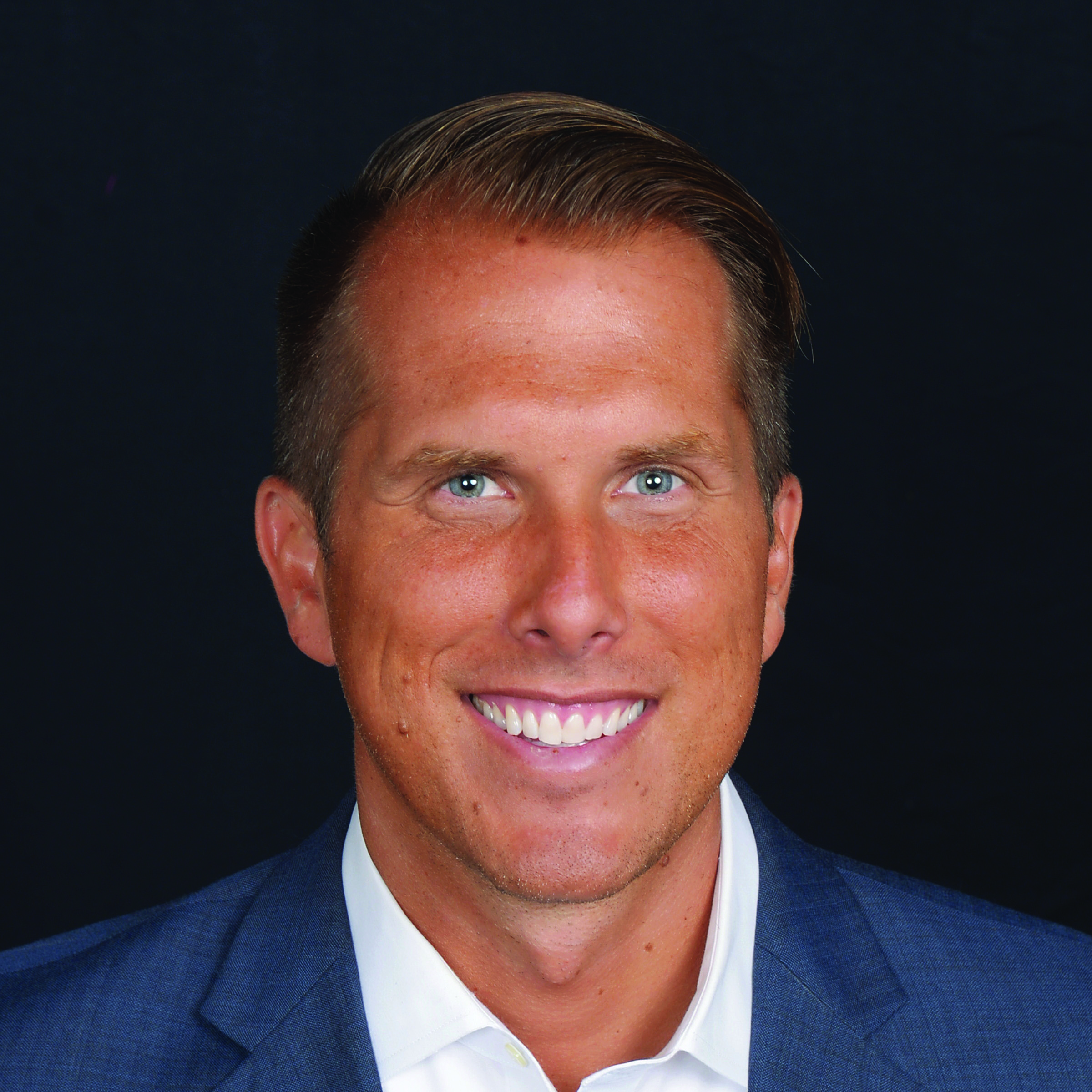
Chad Willardson
CHAD WILLARDSON, CRPC®, AWMA® is the president and founder of Pacific Capital, a fiduciary wealth advisory firm he started in 2011 after nine years of climbing the ranks as an investment advisor at Merrill Lynch. Currently, Chad also manages a $350 million investment portfolio as the elected city treasurer in his community. He created and trademarked The Financial Life Inspection®, a unique process to remove the stress people feel about their money. He’s been featured in the Wall Street Journal, Forbes, Inc., U.S. News & World Report, Investment News, Entrepreneur, and Financial Advisor. Chad and his wife live in Southern California with their five beautiful children.
★ Scribe Case Study
How Chad Willardson Used Scribe to Help People Achieve Financial Freedom—Without Ever Meeting Them
Chad Willardson used Scribe to share his financial expertise with people around the world. Read more on the Scribe blog.
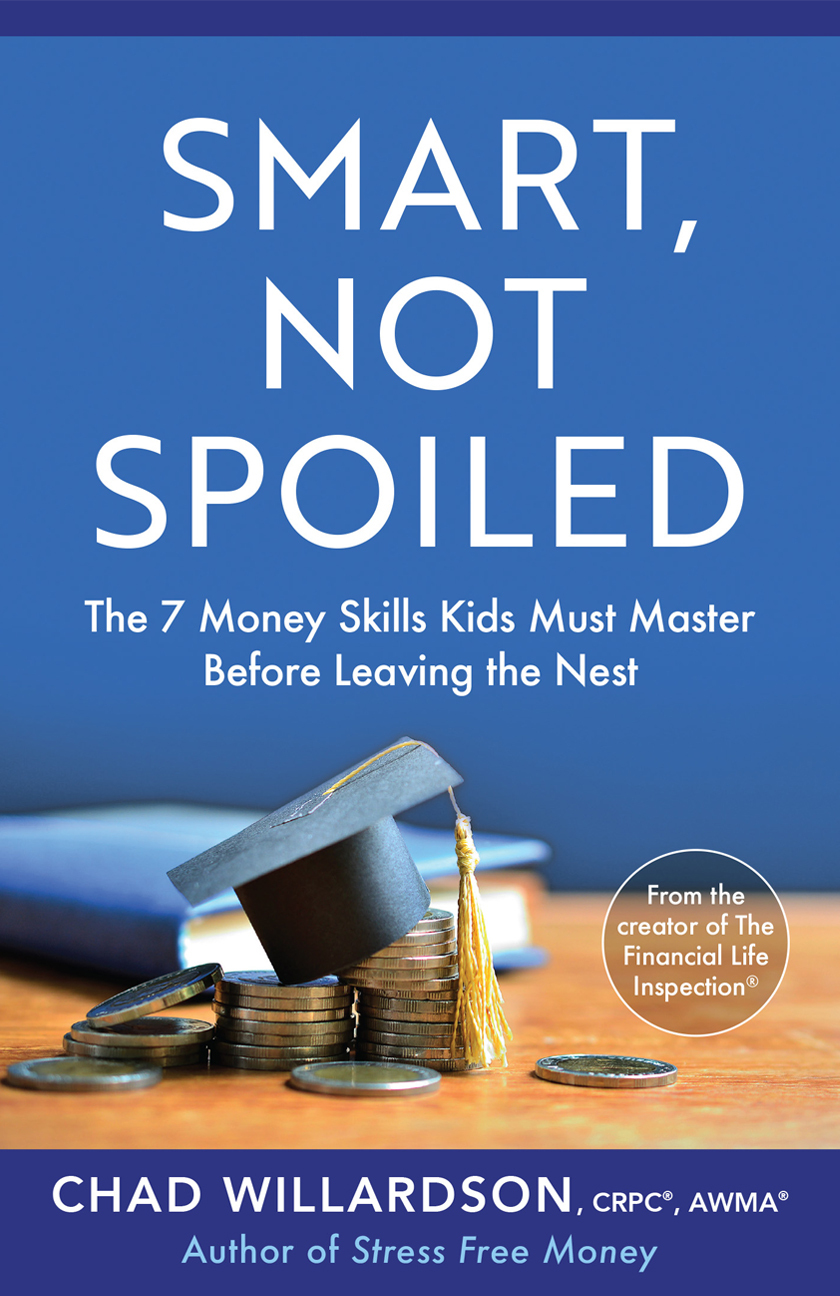
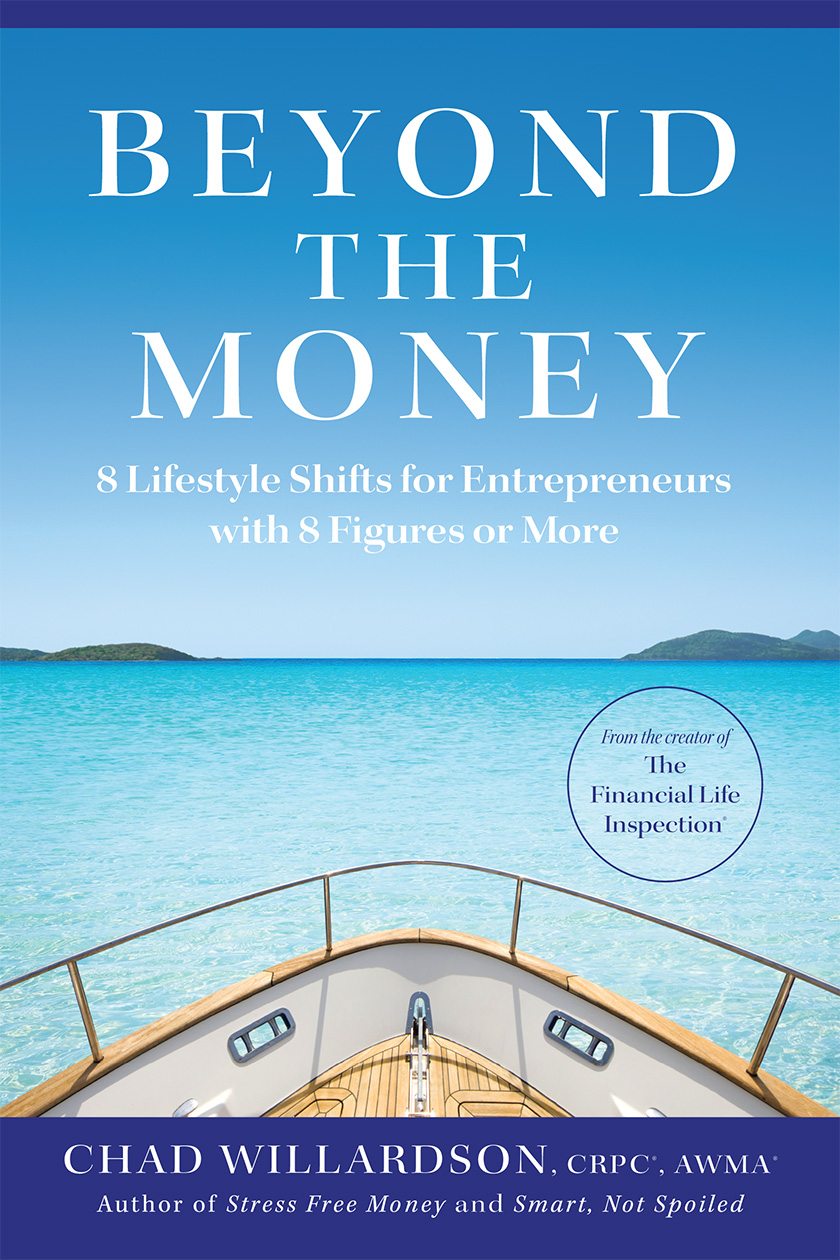
📚 Books by Chad Willardson
Transcript
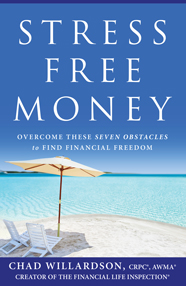
[0:00:13] DA: Every day you’re bombarded by ideas that could derail your financial feature. Bad advice, different expert opinions and sales pitches are everywhere. Whether you personally have a hundred thousand dollars or hundred million dollars, you feel the burden of stress of making the best moves for your future despite a lot of uncertainty. How do you decide what to do with your money? In his new book, Stress Free Money, Chad Willardson shows you how to overcome the obstacles standing between you and financial freedom. He exposes the risks, biases, and major mistakes that keeps so many people from reaching their goals. Financial security and peace of mind are within reach. Most of us just need to know where to start. Hey listeners, my name is Drew Applebaum and I’m excited to be here today with Chat Willardson, author of Stress Free Money. Chad, I’m excited you’re here, welcome to the Author Hour podcast.
[0:01:00] Chad Willardson: Hey, thanks for having me. I’m excited to be here.
[0:01:02] DA: First tell us a little bit about your professional background?
[0:01:06] Chad Willardson: I actually came straight out of college into the world of Wall Street, if you will. I was working at Merrill Lynch Wealth Management, I was 23 years old. Spent almost nine years there and really got to know the business. Got to know how people like making decisions with money and what kind of things are looking for. And nine years into my career, I really found the opportunity to break away from that huge corporate, kind of bureaucratic Wall Street machine, and become an independent fiduciary for clients. I started Pacific Capital in 2011 and never looked back to be honest. Never looked back. So been in the same industry my whole career essentially from since college but I really love what I do.
[0:01:53] DA: Now, what inspired you to write this book?
[0:01:55] Chad Willardson: I’d say the — seeing people’s lives change through the process of really making good decisions and getting a sound game plan for their family or for their business just seeing that the potential transformation gets me super excited. I just love seeing people change their lives, when it comes to the stress about money. And so, I really had so many people kind of over the years say, “Hey, you ever thought about writing a book?” And I know every author probably says that but finally, it was just like, I gotta put some of these stories and some of these principles down that I really think could benefit somebody. And no matter wheat net worth or financial level they are, these principles are timeless. And so I just wanted to get something in writing, make it permanent and get it out there.
[0:02:44] DA: Yeah, that’s actually a good point you just brought up. Who should read this book? Is it somebody who has a million dollars to invest or a thousand dollars or everywhere in between?
[0:02:53] Chad Willardson: That’s a great question. Who should read this book, I’d say, anyone who takes their financial planning seriously. Anyone who is stressed about, or has little anxiety about money. I mean, we can help people from all different backgrounds so these principles will apply to you whether you’ve got a hundred thousand dollar net worth or a hundred million dollar net worth. And I’ve sat face-to-face and counseled with both of those types of people. And so what I tried to do in writing this book was really keep the principles so solid that they could apply to you no matter what financial level you're at. It’s not really based on net worth, I’d say it’s more based on mindset. Someone who has got some anxiety about their money or they care about where their money goes and they just know that they could be doing a little bit better than they’re currently doing. That’s the target audience, someone who is actually interested in learning about how to be smarter with their money and looking for ways to have more financial freedom.
[0:03:48] DA: Now, you touch on this in the intro of your book, you’re coasting along your career, you’re successful at this point. But something happened where you were forced to choose between your employers and your clients. And you did the noble thing and you chose your clients. But tell us what was happening in the industry that forced you to make this decision.
[0:04:08] Chad Willardson: Oh man, if you think back to 2007, 2008, the Great Recession. You know, the big banks in the investment companies were the ones who were taking the bailouts. And it was really a crazy time here and the policies and procedures that were continuously implemented, I found, were just more in favor of protecting the bank and not in the best interest of the clients. So, for example, we’d have a meeting in our office, you know, 40 to 50 advisors and service team members. And they’d really be “encouraging” us to sell a particular investment fund or a particular type of insurance policy. Or get people to sign up for credit cards they didn’t need. It just went against my grain you know, it wasn’t the reason I got into this business. I got into this business to really help the individual people, you know, I’m more of a people person. And so when the corporation is looking after the bottom line and is being really — you know, just kind of pushing their profits and their quotas and their agendas over what the people really need or want. You know, that’s when I was like, “I got to do something different.” I mean, at least clients become family members basically they’re friends. My job and my duty is to look after them at all times and when I got to that point where I felt like there was too much pressure to pick a side and that’s when I decided I just had to step away.
[0:05:38] DA: Now, let’s get into the book a little bit. In the book, you talk about a series of obstacles that are in people’s way in order to have a bright financial future. And the first obstacle you mentioned is to make a goal for yourself. And this seems like it might be really simple but there are definitely some pitfalls. You came up with a system called the ‘goals conversation’ you have with clients, can you tell us about the goals conversation and what happens there?
[0:06:01] Chad Willardson: Yeah, most people are skeptical by nature and especially skeptical with people in my industry. I had a Zoom call with a potential client yesterday who is in Malibu, California. And he’s — on his intake form, he writes, “I’ve never met with a financial advisor. I’m very apprehensive and skeptical.” I just started off the call by saying, you know, “Tell me about that” — and this was what we call a goals conversation yesterday. He just shared with me that he’s always felt like someone’s trying to sell him something, they’re trying to get him to do something because they want to make a commission. He’s just tired of being sold to. And I said, “Well, you’re going to get a very different experience with us because we don’t have commissions, we don’t have quotas and we don’t answer to the banks or the insurance companies. We are an independent fiduciary. This goals conversation is just about you. You know, you’re getting a chance to share everything that you’re concerned about, what you’re excited about, paint the picture of your future.” I just want listeners and readers out there to know that your first appointment and probably second and third appointment with a financial professional should really be all about you. If you have someone that’s presenting and selling and they’ve got charts and graphs already prepared and they’re trying to tell you what you should do and they don’t really know much about you. I mean, it’s like going to the doctor and he’s already prescribing you medicine as the second you sit down on the bed there and you’re like, wait a second, I didn’t even do a health exam, you guys didn’t take any diagnostics and you’ve already got these pills off the shelf, you know? That’s kind of what it’s like —
[0:07:43] DA: Now, you touched on this later in the book as well. What should folks look for with a financial advisor?
[0:07:49] Chad Willardson: You’ve got to look for someone who is an independent fiduciary. Maybe five years ago that was less rare to hear about that but I feel like the public is becoming more aware of this and what this means. Of the five to 600,000 financial advisors out there, 5% or less are independent fiduciaries, meaning, most of us in the industry are brokers or sales reps, really. You know, everyone calls themselves a financial advisor but I think you need to look for someone who has credentials, has experience, is obviously highly reviewed or rated. And maybe it’s Google reviews, maybe it’s something else online that shows some credibility. But the fact is, you’re going to get more objective and independent advice from a fiduciary than you will from a sales broker. It’s a completely different infrastructure. One way you can tell if their fiduciaries, do they work at the same place that holds the money for you? If you’re putting your money in an XYZ bank account, is the financial person employed by XYZ bank? If so, there’s going to be some conflicts of interest. That’s just natural, doesn’t mean they’re a bad person, that’s just the way it is. Find someone that works for ABC Advisors and your money can be held at XYZ bank, there is that separation there. I think that’s very important.
[0:09:18] DA: Now, a term you bring up in the book which I thought was really interesting was financial fast food. Going about ignoring the noise of financial fast food, tell us what that term means and how we can avoid it?
[0:09:30] Chad Willardson: Well, fast food, you know, fast food is, it’s convenient, it’s always there for you, it’s tempting but man, it’s not good for you, is it? Right? It’s something that if you eat too much of, it’s going to have some long-term bad consequences. And the financial fast-food we say is the financial news. It’s the financial entertainment news. You know, it’s the fake fortune tellers on TV, they’re always shouting and screaming about how they can predict what’s about to happen. I just think that there’s a lot of junk out there that we consume as investors and we take it to heart and we make financial decisions based on this junk food and really, there’s no accountability for it. They’re not giving advice on CNBC based on my particular goals, they’re just shouting about something to get me either really afraid or really excited and anxious about it. The fast-food really is the junk food of the financial news that we say you’ve got to stay away from as much as possible.
[0:10:33] DA: Talk to us about what’s going on in the world right now because you reference it a lot in the book. How has 2020 changed the financial world and what you do for your clients?
[0:10:44] Chad Willardson: I think 2020 has revealed — I think the whole COVID situation with the market dropping significantly. Just to give some statistics, it was the fastest 30% decline in stock market history. It was close to a 40% decline in less than four or five weeks. What’s interesting to me is how many — everyone talks about buying low and selling high, they talk about, “I’m a long term investor, declines are temporary.” But I think what this did in March and April is really expose those who were unprepared. Not just families or businesses but even advisors, you know? Unprepared financially for a huge pull back. Unprepared for their — to have a strategy in place so if you’re watching the news and you’re panicking and the world is about to end, they start panic selling. And they’re selling investments at very low prices. And what happens in the next two months? The stock market completely recovered. Essentially the entire drop.
[0:11:51] DA: Right.
[0:11:52] Chad Willardson: But I think the businesses being shut down. No one could have predicted that all these businesses could have been just closed for a long time. And when we talk about having savings on hand for a business or family, you’ve got to have three to six months of reserves. Liquid reserves. Money that’s available in case of emergency. And this just further proved that point. You’ve got to have a plan, you’ve got to be prepared and at the same time, you’ve got to be level-headed when things are going crazy out there. I think it’s really exposed those who are unprepared versus prepared. And also give everyone a wake-up call, like, “I really need to look at my financial life because I was maybe getting complacent.” And hopefully this has woken people up to not be so complacent.
[0:12:36] DA: What is your opinion on the rise of Robinhood and people who are very early in their careers and they are going into the stock market because they’re home. And they can do it on their phone now. Is this a wise career financial decision?
[0:12:53] Chad Willardson: I don’t think it is a bad decision to get engaged in the investment process, especially when you are younger. I have five kids myself ages five to 16. And, you know, my three older kids are over eight. I signed them out for checking accounts and got them involved in investing when they are eight years old. I think it is really good for them to get familiar with what investing is like. At the same time, my warnings would be — don’t fall for the get-rich quick stuff. Don’t fall for the fads. You know, there is a difference between investing and speculating or gambling. And so some people I feel like they are on those platforms and those tech platforms doing their own trading because they are saving money. And they’ve got a plan and they want to invest for the future and I applaud that 100%. There are others who are trying to get rich off of penny stocks that are 30 cents. And they heard a rumor that it is going to go to 60 cents or they are trading Bitcoin on an app. Even though this money is money that they might be using to buy a house next year, so it is really risky. So I’d say there is nothing wrong with those platforms and there is certainly nothing wrong with investing on your own. But you’ve got to still have a plan, you’ve got to still have a strategy. You’ve got to still know what your end goals are. And once it gets to a serious point where you’ve got a family or you’ve got a business, I strongly feel that you are going to benefit by using a professional. You know I am not going to read magazines and then take out my own appendix. I am going to go and trust a professional because that is a serious thing and so is financial planning.
[0:14:28] DA: Right, so what warnings do you have about money decisions?
[0:14:32] Chad Willardson: Stay out of your feelings, that is one of the chapters and obstacles is, your feelings and emotions are the number one thing that are going to drive your mistakes. I had a friend recently who — they’re house hunting and they have been looking at a price range of, I think it was 800,000 to a 1.1 million. And they fell in love with a house that is 1.61 or 1.7 million and once you fall in love with that decision, that financial decision, it is hard to undo that choice. Because you’ve got your feelings involved. And so you know I talked with the lady yesterday who has over $15 million of one company stock. And she’s had it for 30 years and she believes nothing could ever go wrong with that stock and she loves the company and eventually that company is going to have a 30, 40 or 50% decline. And what is she going to do then? I am not sure but the point is, once you get your feelings involved with your financial decisions you are way more prone to make mistakes. And so taking the emotion out of the financial decisions and trying to be logical about it, that’s where having a third party fiduciary really helps. You know most people can’t get out of their own way, and advisers included. You know you’ve got to basically look at things objectively and not get caught up in it.
[0:15:52] DA: Let’s go to a more positive note. What are some of the top financial decisions people could make?
[0:15:58] Chad Willardson: You know, going back to the first obstacle, and no clear plan or not having specific goals, I think the first step is really getting yourself — you know if you are going to plan a trip cross-country from California to New York, first of all you need to know where you are going. You got to know that you are actually going to New York and that that’s your destination. Then you got to plan out along the way, how are you going to get there? What method of travel? Are you going to drive through the airport? Are you taking an Uber to the airport? You’re going to fly, is it a non-stop flight? Where are you staying in the hotel, when are you leaving? So all the things we do to plan a vacation, we should at least be doing that in our financial planning. And when we do have a plan, it is so much easier to execute. It is not just, “Hey, I put some money in an account and now I am investing it in some funds and stocks and I hope it goes well. I hope it grows a lot this year.” It is a much different story if you say, “I am trying to have financial freedom by age 57 and financial freedom to me means spending 14,000 a month after tax and taking my kids on a trip to Hawaii with their spouses and my grandkids.” You know, having specific goals can really motivate you into action and will give you a much higher likelihood of succeeding and achieving those goals. So not only having goals, having them written down, being very specific and then setting up the financial habits that will get you to that point. So one thing that we always tell people is set up an automatic savings transfer every week. So if you can save $100 or you can save $25,000 a week, whatever it is, set up a weekly transfer where money goes from checking or savings into an investment account. And just get compound interest working for you. You know, get that machine going for you. You look back after five or 10 years and you will not believe not only how much you put away but also how much it has grown to.
[0:17:55] DA: Now there are two things we love on this show and it is data and secrets. So you touched on a few of these earlier. Let’s go the secrets route. What is something that most people don’t know about your industry?
[0:18:06] Chad Willardson: Oh well, I’d say most people don’t know how much they’re paying. They have no idea. I think a Fidelity study says that, like over 70% of people think that their 401(k) accounts are free. You know their investment funds are free because it is a 401(k) plan. I think the cost is the biggest thing that people have no idea about. You know, an elderly couple recently, the son called our office and said that the elderly couple is buying a bunch of tax-free bonds and their account with the big bank. And it is great because they don’t have to pay the adviser. They are just buying these bonds. They have no idea that they are paying two to 5% on every single transaction. Mutual funds are extremely expensive, many of them. Not all of them but many of them are very expensive. People have no idea they are paying three to 5% to these mutual funds. So I’d say that the secret is really the cost. I mean it has gone better, overall, because of the internet and technology and transparency. But man, 99% of people that come into our office when we really dig deep and we lift up the hood and we look at everything inside the car, we are able to find ways to save them money. And unfortunately, they had no idea how much they were actually paying. But that is one of the secrets that Wall Street will love to keep a secret I guess.
[0:19:30] DA: Sure. Now tell us why you went off and started Pacific Capital.
[0:19:35] Chad Willardson: To really get away from the bureaucracy and the one-way conflict of interest of being one of the big investment banks, you know that is really it. Clients more and more were wanting objective advice. You know my parents or clients, and I’ve got aunts and uncles and grandparents that are clients. So I think about everything from the context of, “What would I be telling my family if they were asking me for these decisions or advice on these things.” And I just felt like there are so many questions that people have that they need professional answers and guidance to that we weren’t allowed to advise on at the big bank, Because there is no way for the bank to make profits. So basically, if it is not something that is profit generating, we had to stay away from it. You know we could talk about someone’s social security and Medicare decisions and yet anyone in their 60s typically had questions and wanted advice. But we had to turn them away. Or they have questions even about their different insurance policies or things that are outside of the profit generating machine of the Wall Street banks. I had to look them in the eye and say, “Oh I am not really allowed to talk about this, why don’t you go see someone else?” And it didn’t feel right to me. I wanted to have more ability to basically customize or personalize the advice we could give and I knew that being a fiduciary was definitely the right way to position ourselves. And I think that trend will continue actually. More and more people are waking up to it and the fiduciary industry is only going to grow over the next 20 years.
[0:21:19] DA: Now can you tell us a story about a recent high in your career or maybe a great moment you had for a client?
[0:21:25] Chad Willardson: Oh man, we celebrate highlights every morning in our morning meetings. So those are common. Some are small, some are big but I’d say each time we help a client win and do something that we weren’t going to otherwise do. That is a big success. We had, recently, a client who is a real estate investor. You know, a very active real estate investor looking to do some potential deals with his son who is also in the business with him. And we were able to not sell any of his investments and get him a — essentially a loan because of his investment account. That was about 1.4% and with that he was able to do a great investment deal with his son. It gives his son a lot of experience, they are very excited about this kind of real estate venture that they are starting to do on the side, as a family. And it was just awesome to be a part of that experience and to solve the issue of liquidity. They don’t want to sell investments and pay a bunch of taxes. But they also don’t want to go to the bank and go through this long and messy loan process. So we hope they solve that issue — total win-win. Not anything that makes money for us or our firm but that kind of — making something happen that is outside of our profit center, it breeds a lot of loyalty. And it really makes the clients want to continue doing business with us.
[0:22:55] DA: Now Chad, writing a book is no joke. So first of all, congratulations. Now if readers could take away one thing from your book, what should it be?
[0:23:04] Chad Willardson: If readers could take away one thing?
[0:23:08] DA: Just one.
[0:23:08] Chad Willardson: It is right there in the title. It’s — money doesn’t have to be stressful. That would be it. I really labored on the title of the book. It was not an easy decision but when it came to me, it was like, “Man that’s it. It is stress free money.” You can actually not worry about your money if you overcome those seven obstacles in the book. And when you talk about success highlights for our clients, I love to see them go through that process where the first day they come into our office. Or they are on a call with us and a goal’s conversation and they’ve got a million things on their mind. And then they go through the process and they complete the financial life inspection, they make all of these great decisions, they are making progress, and the end result is they are no longer worried about their money. They are totally excited, they’ve got more energy. They are focusing their time and attention on stuff that they love, or the people that they care about. And to me that’s one person, one family at a time, that’s what I love doing.
[0:24:11] DA: Awesome. Chad, this has been such a pleasure. I am really excited for people to check out the book. Everyone, the book is called Stress Free Money, and you could find it on Amazon. Now Chad besides checking out the book, where can people find you?
[0:24:22] Chad Willardson: I’d say the best place to find me is — I am very active on LinkedIn or you can go to our website, pacificcapital.com. And there you can not only pick up the book or if you are not getting it on Amazon but you can also sign up for my weekly newsletter there. But LinkedIn is probably the place where I am most active.
[0:24:39] DA: Awesome. Chad, thank you so much for coming on the show today.
[0:24:40] Chad Willardson: I appreciate it. Thank you.
[0:24:43] DA: Thank you for joining us for this episode of Author Hour. You can get Chad Willardson’s book, Stress Free Money, on Amazon. Also, you can also find a transcript of this episode and all of our other episodes on our website at authorhour.co. For more Author Hour, subscribe to this podcast on your favorite subscription service. Thank you for joining us, we’ll see you next time. Same place, different author.
Want to Write Your Own Book?
Scribe has helped over 2,000 authors turn their expertise into published books.
Schedule a Free Consult