Lorenzo Gomez: The Cilantro Diaries
Read the full transcript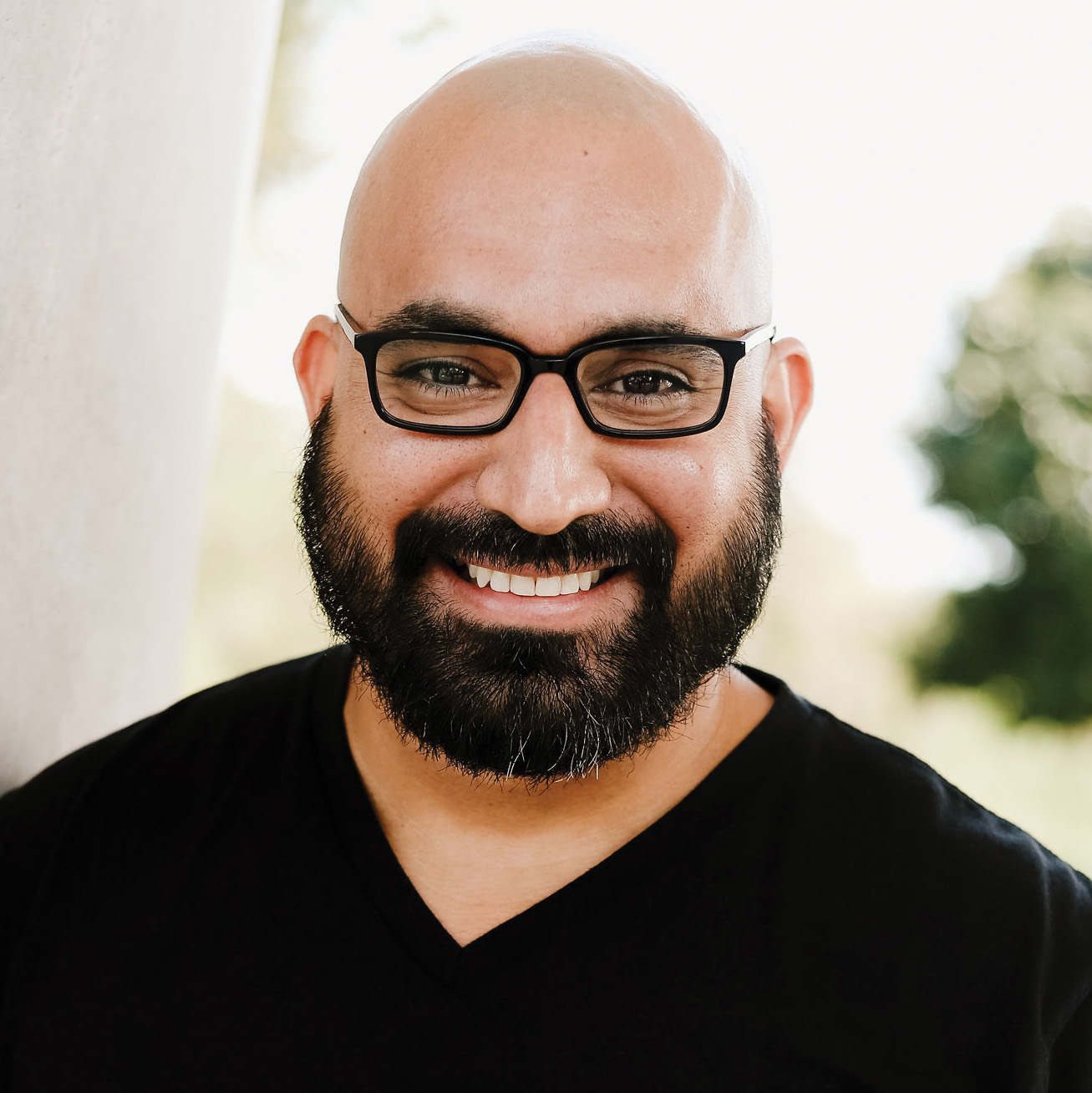
Lorenzo Gomez
Lorenzo Gomez III is a San Antonio author, entrepreneur, and public speaker. He spent ten years at Rackspace before helping to lead the city’s growing technology community, and he has served as chairman of Geekdom, San Antonio’s largest coworking space and startup hub, and of the 80/20 Foundation, a philanthropic organization focused on building the local tech ecosystem. He is also a co-founder of Tech Bloc.
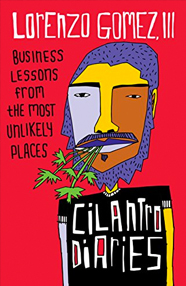
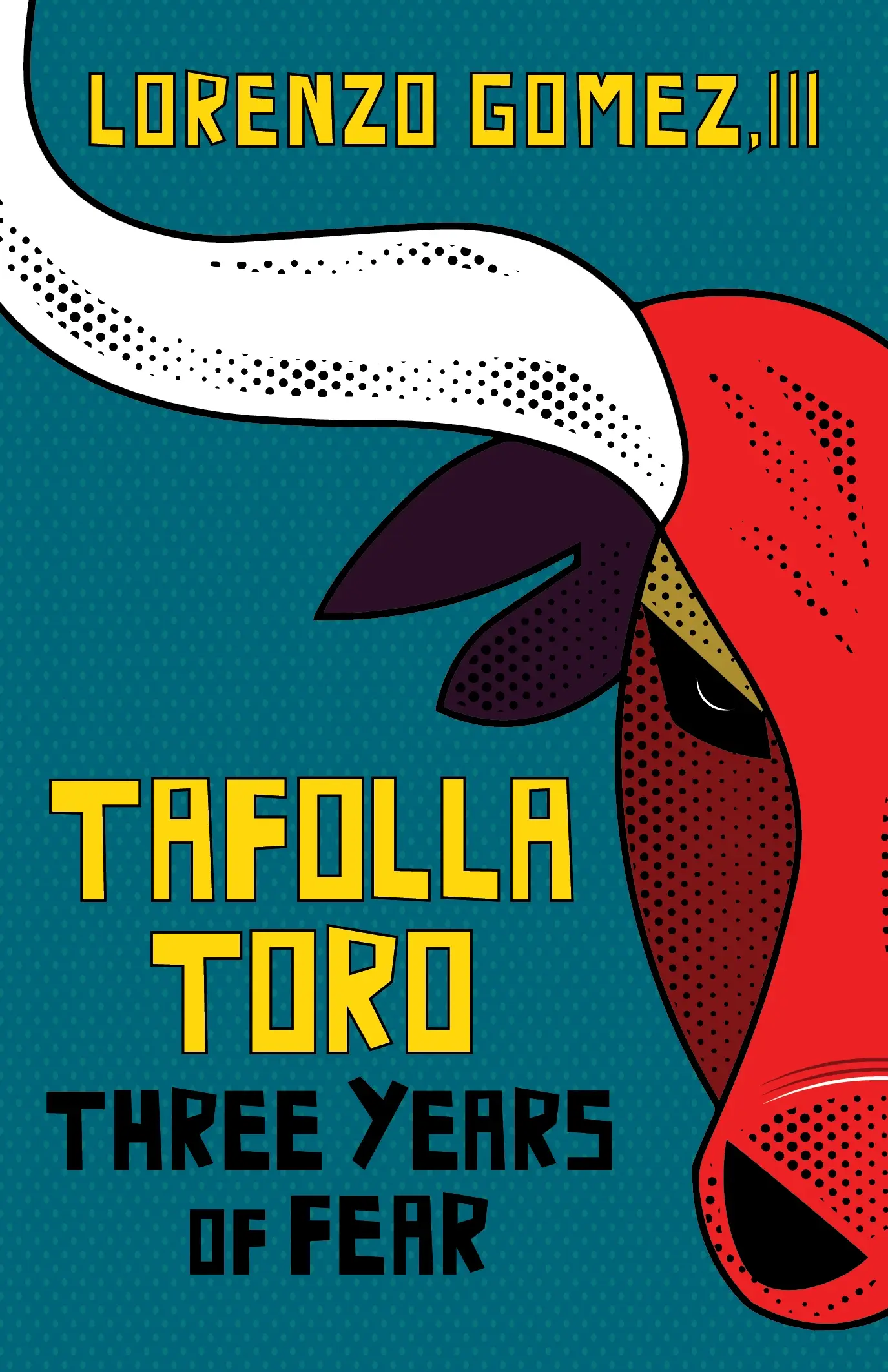
He is the author of The Cilantro Diaries: Business Lessons From the Most Unlikely Places, which traces his path from the stockroom of a grocery store to the boardrooms of two private companies without a college degree, and Tafolla Toro: Three Years of Fear.
★ Scribe Case Study
Lorenzo Gomez’s Journey from Grocery Store Bagger to Geekdom CEO and Published Author
When Lorenzo Gomez started writing a book about his journey, he had no idea he'd become a role model for young Hispanic people across Texas and beyond.
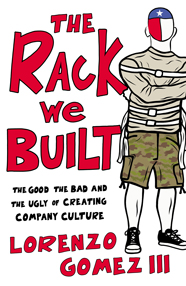
📚 Books by Lorenzo Gomez
Transcript
[0:00:28] Charlie Hoehn: You’re listening to Author Hour, enlightening conversations about books with the authors who wrote them. I’m Charlie Hoehn. Today's episode is with Lorenzo Gomez, author of The Cilantro Diaries. Are you just starting out in your career or do you know someone ambitious who’s in an entry level job? That's who Lorenzo wants to help. You see, Lorenzo went from the stockroom of a grocery store all the way up to the board rooms of two private companies without a college degree. One of those companies Geekdom, which Texas's largest co-working space, where Lorenzo was the CEO. In this episode you’ll learn the principles that got Lorenzo to the top of the ladder. Specifically, you'll learn how to find a mentor, build your network, establish your reputation and catapult yourself into high-impact positions throughout your career. Now, here is our conversation with Lorenzo Gomez.
[0:01:50] Lorenzo Gomez: When I was 17 or 18, I started working at the grocery store near my house and I got promoted to the produce department which was my first kind of brush with arrogance and I thought I was the coolest guy in the neighborhood, because this was a big promotion and you get your own box cutter, you get your own knife and I thought this is the coolest thing ever. When while I was working in produce, my mom would shop at the grocery store I worked at and she would cook almost every night, and so I was doing my homework at the table and my mom came in very excited about something and she looked at me and she said, “Oh my gosh! I was at your store today, I was shopping, and there was, I saw it on the wall, above the cilantro was your picture.” She said, “I’m so proud of you.” I thought, “What?” I forgot that they had taken our pictures of all the produce guys and put them up so that customers could ask for help by name. I remember feeling — I had two emotions. I felt really kind of proud that my mom was proud of me, but also felt very embarrassed. I remember thinking, “this is the worst thing ever.” I thought, “I am not going out like this. Having my picture above the cilantro is not going to be the pinnacle of my career.” I remember it was just an internal, like “This is no.” I thought, “If I want my picture on the wall above the cilantro, I want to do something worthy of having it up there.” That was kind of a little moment in time where my mindset changed and I thought, “I'm going to do more than this. I’m going to aspire to do something worthy of having my mom be proud of my picture and not just because they took my picture.” That’s how I kind of set up the book and that's the story of where the title came from. I’ll tell you, the story was many, many years later, probably a couple of years back from right now, I was with Graham Weston, my mentor, my boss, my friend. We went to A&M, Texas A&M, to launch a sales program there with a professor that he’s a huge fan of. While we were launching this program, there was a Q&A and one of the students at A&M asked Graham, he said, “Hey, what is the greatest piece of business advice you can give us?” I thought, “Wow! What a great question.”
[0:03:58] Charlie Hoehn: Before you give the answer, could you give a little background on Graham?
[0:04:02] Lorenzo Gomez: Graham Weston is a local San Antonio business legend. His family there just comes from a family lineage of entrepreneurs and he was the first investor in RackSpace and became the chairman and he owned 51% of the company for most of the tenure that I was there.
[0:04:19] Charlie Hoehn: For people who don't know RackSpace.
[0:04:21] Lorenzo Gomez: RackSpace was the number one managed hosting company that later on went into the cloud hosting space. We hosted servers for all kinds of websites, and I remember one day that Sequoia Capital called Graham and they said, “Hey, we just funded this company you’ve never heard of called YouTube, and they need about 10 servers online overnight.” The first servers of YouTube went online in our San Antonio data center downtown, and then they quickly outgrew us. It’s funny, because almost 20 years later, I still can't explain managed hosting to my mother. It's such a weird concept and, and so I said, “Hey, mom. Just tell everybody I work for the internet and we’ll call it a day.”
[0:05:03] Charlie Hoehn: You get your picture hung up above the internet.
[0:05:07] Lorenzo Gomez: Yeah, that’s right. Yeah. Yeah, I work for the internet. Somewhere there’s a department there. Somewhere there’s a president of the internet. How Graham and I became friends was I was 20 years old when I got hired at RackSpace and I really was not qualified. I had no idea what hosting was. I was about the seventh account manager for the company, and one day someone said, “Hey, the chairman, he doesn't want to be in an office. He wants to be where the action is.” So they looked at me and they said, “Lorenzo, your cubicles the only open cube, so you’re going to share it with Graham.” I thought, “Oh my God! This is the moment where I get fired.” I thought, “He’s going to sit down. He’s going to hear me on the phone. He’s going to realize I've no idea what the internet is and they’re going to walk me out of the building.” He sat down, we shared a cubicle, and it was just awesome. We became such great friends. It was the first time I had ever met anybody that was kind of such as big figure, but that who was so humble. All he wanted to do was know more about me and the customers. It was never about him. He always had questions. He was always so curious, and I just thought, “Man! What an amazing guy.” I immediately looked up to him and I said, “I want to be like this guy.”
[0:06:17] Charlie Hoehn: So he was asked what is his ultimate career advice, right? What’s the number one piece of career advice?
[0:06:25] Lorenzo Gomez: Yeah. His answer was — He said, “The greatest piece of business advice that I have learned in my career is that everybody wants to be a valued member of a winning team on an inspiring mission.” This one phrase was such a powerful idea within RackSpace and it has really changed the way that I view business and work and where I will go work and where I won’t go to work. I think that at some point I would love for him to write a book. At some point, I'll probably try to write a book about this one sentence. I think that one sentence, you could have volumes of books written about it, because it's so dense with wisdom and knowledge. I was sitting there and I had this moment of panic where I thought, “Man! What a great answer.” I have a bunch of nephews and nieces. I work at Geekdom, which is a co-working space. We have thousands of members. “What if someone asked me that? What would I say?” To me, that kind of solidified the point where I needed to finish this book, because The Cilantro Diaries is my answer to that question. I could not put it in a sentence like Graham. I had to put it all, every little bit that I had learned from someone else with a hard way.
[0:07:32] Charlie Hoehn: Wow! All right. Let’s talk about The Cilantro Diary. You just said you had everything in there, basically, but if you had to pick the one unique idea or story or piece of wisdom from your book that you really want listeners to take away from this interview, what would that be?
[0:07:51] Lorenzo Gomez: I think is the idea that everybody needs their own personal Board of Directors, and this is really an idea that has solidified over the last couple of years, but it’s really, “Who is your Jedi Council?” Even if it's just one person, I think that one of the things that I learned watching Graham, and because I worked for Graham and now I work for him directly, I've been very fortunate to have access to people of his caliber. The thing that I've noticed, the common thread of all them, is that they all have someone or someones that they go to to call when it really matters. These are people that are not normal mentors. These are people that they have deputized to push back on them. People that they will allow to tell them, “You are completely wrong,” and they will take their feedback seriously. I thought to myself, “Everybody needs this.” If you read the Walt Disney biography, it’s one of my favorites. I realized that Roy Disney was on Walt Disney's board, and Roy Disney was one of the only people that could push back up and say, “Hey, we’re not doing that,” or, “Hey, you’re crazy about this thing.” Whether he listened to him or not or whether he followed the advice or not is one thing, but he listened to Roy. I think that everybody needs at least one person that they deputize to say, “Hey, you have been deputized to kick down the door and tell me when I’m full of it, to speak these hard truths but also to help me break down the big questions of life and complicated data, help me sort through this stuff.” Because if there's one thing I’ve just realized, is that all the best people, all the most successful people, they didn't do it by them self. They had this staple of people that they went to for counsel.
[0:09:35] Charlie Hoehn: Who's your book really for? Because I’m thinking, “Okay. Board of directors. I’m in agreement with you there.” But is your book really for a specific type of person that works in a profession? I imagine somebody who's a masseuse doesn't necessarily need a board of directors, right? Who's the book really for?
[0:09:56] Lorenzo Gomez: Yeah. I think that the book is really for anybody that's just entering the workforce or anybody — Anybody that’s just entering the workforce, and whether it's professional or not. Even if you’re a hairdresser or anybody that’s just graduated college, because I think that if when I write my story out in this book, the common thread were these people in my life, educated or not educated, that went out of their way to help me out, to mentor me, to pull me aside and to give me counsel. I realized that I had unknowingly assembled a small Board of Directors, and I'm a guy with no college degree who kind of figured it out, and I think that this book is for anybody that wants to figure it out and really help them. I am the product of so many people that really helped me that I had to pay it forward. I think that it’s really for kind of anybody that is in their career that needs some help or really anybody who’s feeling like the underdog.
[0:10:57] Charlie Hoehn: Lorenzo, I know you a little bit, and I know people who have worked with you. They want to work with you and not everybody is like that, right? I'd imagine these people that contributed to your life, your board of directors, wanted to be on your board. You are a person that people want to work with. So I think instead of asking how do we go out and get a board of directors, how do we go out and have this conversation with people and get them on our team, what do you think you do differently that most people don't that attracts people to help you out?
[0:11:38] Lorenzo Gomez: Yeah, it’s a great question. I'll tell you that there are two stories in the book about in high school. There were two guys that I unknowingly — I know now, I kind of recruited them to my board, and the common thread is I couldn't stand either of them.
[0:11:52] Charlie Hoehn: What do you mean by I recruited them to my board? You did it in high school. So obviously you weren't thinking, “I'm recruiting these guys to my board,” at that time. What did that look like?
[0:12:02] Lorenzo Gomez: I just remember — One of them is now my best friend, a guy named Dax Moreno. I remember the first time I met him, I thought, “Man! This guy is a jerk.” Then we were riding the bus to the hospital because we went to a medical healthcare professional high school. We had to volunteer at the hospital for a year. I remember watching him defend himself against this girl that was kind of picking a fight with him on the bus. I remember being so impressed with his use of words. I remember he was so intelligent and he was so articulate, and that is the opposite of me. I thought, “This guy is so smart that I want him to be my friend.” I went out of my way to become his friend, because I thought, “This guy will make me smarter by me being his friend.”
[0:12:43] Charlie Hoehn: What do you mean you went out of your way?
[0:12:45] Lorenzo Gomez: I went out of my way to talk to him. I went out of my way to — Really, I wanted to win him over. I wanted him to be my friend. I did everything I just have to say.
[0:12:53] Charlie Hoehn: Yeah. How did you do that without coming across as a desperate or kind of clingy?
[0:13:00] Lorenzo Gomez: Yeah, I think that you look for common interests. It's kind of I didn’t know back then, but it was kind of the Dale Carnegie playbook which was we like the same music. We were both comic book readers. I really would listen for the things that we had similar, and then I would just go out of my way to talk to him about those things. Then overtime we just became good friends and we hung out. Then what really happened is at the end of high school we were both working for the same grocery store only at different stores, and he got a job at Gateway Computer as a sales guy and he called me and said, “Hey, I'm working at this computer shop. I’m just killing it, and I’m the youngest guy here and my manager has just asked me if I have any friends that were kind of like me, and I thought you.” I said, “Man! That’s the dumbest thing I’ve ever heard. There’s no future in computers.” I remember thinking, “Do you realize how fresh the cilantro as the season? I can’t leave this place.” He, being a good friend and a good member, I didn’t know that back then, but he saw my potential. This is one of the other principles in the book that I heard Graham say at that same event at A&M was, “A mentor is someone who believes in your potential,” and Dax saw and believed in my potential, and because of that, he could not let me stay where I was. He went out of his way and he dragged me kicking and screaming to Gateway Computers, which was one of the defining points of my career.
[0:14:30] Charlie Hoehn: Author Hour is sponsored by Book in a Box. For anyone who has a great idea for a book but doesn’t have the time or patience to sit down and type it out, Book in a Box has created a new way to help you painlessly publish your book. Instead of sitting at a computer and typing for a year, hoping everything works out, Book in a Box takes you through a structured interview process that gets your ideas out of your head and into a book in just a few months. To learn more, head over to Bookinabox.com and fill out the form at the bottom of the page. Don’t let another year go by where you put off writing your book. Let's talk more about some of the other lessons and the important things in the book. What are some others that are transformative for people who end up reading the book?
[0:15:25] Lorenzo Gomez: In the book, there's a whole section on the personal board of directors and kind of how you assemble that. Then there's the page that I took out of Ben Horowitz’s book, The Hard Things About Hard Things, which is there's a whole bunch of stuff that nobody's going to tell you that I wanted to tell people. There're these little things that I picked up. For example, one of them is feelings are always mutual, right? If you think someone is lazy and they’re a jerk, they probably think you’re a jerk too, right? You think someone’s is an A-player and they’re awesome. They probably don't think you’re have bad. This whole idea that feelings are always mutual that, “Hey, if you really look at the situation, you can really understand what's going on,” and understanding what's really going on is the only way to survive in the world. You need to have these little things, these little cheat code. They’re like little life hacks that I wanted to pay forward to the reader, because these were things that people taught me a long time ago. Another one is no how I got my first job. The principle is it's not what you know. It’s who you know. This is a principle about relationships. What you know matters after you get the job. You’ve got to be able to perform. My first job was actually at a different grocery store. When I turned 16, I wanted to get a job so badly and I have applied everywhere; McDonalds, Burger King and Pizza Hut, nobody would hire me, because I was an unknown quantity. One day my older brother, Hector, said, “Hey, what why don’t you go apply at Handy Andy,” which is the grocery store he used to work at. He called manager, and the manager gave me an interview. The interview went down so fast, it just shocked me. I went in for this interview. I had never been in an interview before, and I was so young. I brought all my report cards with me. I didn’t know what to bring.
[0:17:11] Charlie Hoehn: That’s so good. Oh, man!
[0:17:15] Lorenzo Gomez: The manager comes out, he was this stocky Hispanic guy named Mr. Diaz. The interview went just like this; he walks up to me and he says, “So you're Hector Gomez's brother, huh?” “Yes, sir.” “You work hard like a brother?” “Yes, sir.” “Okay, you are hired. You start on Monday.” Every job since has been some iteration of that story. To me, it’s just, “Hey, it's not what you know. It's who you know.” Who do you have a relationship with? Who can vouch for you? Who is going to vouch for you and who are you going to vouch for at some point to pay it back? I think that when I saw people Dax, I thought, “This guys is going to go somewhere. This guy is so smart and he's so cool and he – Like our world views mesh. All of a sudden later on, he was vouching for him and then later on I vouched for him at RackSpace. Everybody, I think especially in the corporate world, kind of attaches them self to a posse. It's really about what relationships are you harvesting, because they really do matter.
[0:18:14] Charlie Hoehn: I completely agree on that, and it's unfortunate that we aren’t taught how to be better in relationships in schools. Can you give us a quick lesson on how to be better in relationships? I know you mentioned Dale Carnegie. He's got a great book on the topic; How To Win Friends And Influence People. That’s a classic. Could you give us your take on how to be stronger in relationships? How to form a posse? I know you go the board of directors and everything, but what would you tell somebody who's looking to improve?
[0:18:47] Lorenzo Gomez: I think I would tell them a couple. A couple of principles in the book are — One of them is what my dad used to say, which is, “There's nothing worse than a kid with no manners.” I found in my career that just the simple act of having manners, saying “thank you, yes sir, no sir, yes ma’am, no ma’am.” These things became my superpower. All of a sudden, when you have manners, people —
[0:19:10] Charlie Hoehn: Superpower.
[0:19:11] Lorenzo Gomez: It’s a super power. People want to be around you. People don't mind inviting you to place, because they know you're not going to make them look dumb. You’re not going to embarrass them. I thought it was such a simple thing, but I thought that there was so much that I did, so much kind of edge to other people out, because of just having good old simple manner. I think another one is a principle that I gleaned from reading Steve Martin's autobiography, Born Standing Up, which is this whole concept of be so good they can’t ignore you. There’s a story I wrote in the book about how the worst time to be a cashier at a grocery store is Christmas Eve and Thanksgiving Eve, and your line just never ends. You're just on the check stand four hours. It just doesn't stop. I remember I got the check stand and I thought, “I’m just going to put my head down and I’m just going to crank this up.” I remember my register sounded like a machine gun, because I was just scanning so fast. I put my head down, I’m scanning and in about an hour into it I look up and there was this guy staring at me with a big goofy grim, and I'm staring at him and he goes, “Dude, I was in that check stand way over there and I saw how fast you are going. So I put all my stuff back in my cart and I came into your line.” I kind of was proud but I kind of also hated the guy. I was like, “Man! You just gave me more work,” but I was also proud that I was so noticeable and I was down to business, that this guy came though and he put his stuff back in his cart to go in my line.
[0:20:41] Charlie Hoehn: Yeah, that’s unreal.
[0:20:43] Lorenzo Gomez: It’s the whole concept of it's not that I was smarter as a cashier. I just decided I was going to standout, because I was going to work so hard that day, because that was the only way to get through it. There's no way to get – Your line just doesn’t end. I think that it's really; what is your version of that wherever you work? How are you going to separate yourself to be so good? Another story that’s in the book is when I got promoted to produce, I was putting out the lettuce one day and I had done it so many times that it was kind of in the back of my head. I was doing my thing and my brain was off somewhere else and I looked down and I had unknowingly built half of the pyramid of lettuce. I thought, “Oh my gosh! I could finish this.” I went back in the cooler and I got like another four cases of lettuce and I built a geometrically perfect pyramid of lettuce where you could a head of lettuce from any part and it would still stay in tack. I was so proud and I stood there like Prometheus and fire, and then an army of old lady, little old ladies came to destroy my pyramid and they were sifting through the lettuce. What’s funny is that my manager loved it so much that every time the corporate guys would come by our store to checkup, he would look at me and he’d be like, “Lorenzo, build the pyramid.” It was just something that only I could do, and it was just a little way for me to differentiate. I always ask my readers or anybody I’m talking to, “What is your pyramid? What is it that you can do that no one else could do?”
[0:22:14] Charlie Hoehn: I really loved what you said, and I feel like there could be an entire book on this topic. It is one of these unspoken truths that is just implied and never said out right, which is; don't embarrass other people. If you have manners and if you listen and if you shut up in the right circumstances, that can serve you better than being the smartest person in the room with the greatest idea. It really can. Just being a normal person who doesn’t embarrass the people who are higher up than you go such a long way, just making a positive impression on people, and it's easy to do. You just keep your mouth shut and say yes or no ma’am, or yes ma’am and please and thank you.
[0:23:05] Lorenzo Gomez: It goes such a long way. I remember when I moved to London with RackSpace for about three years, and the British wrote the book on manners. I remember one of the greatest compliments of my personal life was a British father telling me that I had good manners. Man, I thought – In Britain, I was trying to hide my excitement, I was, “Oh! Thank you sir,” but I was doing the greatest end zone dance of my life in my head. [inaudible 0:23:31.8]. Also, having manners is tied to humility. It’s tied to having a servant’s heart, being subservient. I think that one of the other principles that’s also in the book is when you're first starting out at work, I think that a lot of the time people want to impress the people around them, to show that they belonged there. I actually think that that's not the way to do it. I think that so many times that people should take the apprentice role and tell people, “Hey, I don't know anything about the internet, but I'm going to learn and I’m going to read whatever you tell me to read and I’m going to go to Google and I’m going to research all these stuff.” I think that when people take the apprentice role and they say, “I'm here to learn.” It says two things. It says that I'm not trying to BS you, but it also says you are more knowledgeable than me and I want to learn from you. The people around you that you tell that to really love that. It’s just been my experience.
[0:24:28] Charlie Hoehn: That is so true. That made me think of a Roger Ebert quote, which is, “If a woman wants to enchant a man, she is wise to play his pupil.” Men fall for this, and it’s the same way if you're in an entry-level position like you said, and to humble yourself before the people in power and just say, “Look. I don't know anything. Please teach me. I will learn whatever you put in front of me.” It's endearing to anybody you say that to. I love that.
[0:25:01] Lorenzo Gomez: Most people want to share their knowledge. Most people, they peacock a little when you go, “Well, yeah. I do have something to teach you, and let me show you.” People love that.
[0:25:11] Charlie Hoehn: Yeah, absolutely. Your book has been out for a while now and it's been really well-received. Tell me some of the feedback that you've gotten. Maybe the people who’ve gotten something out of your ideas and stories or maybe even a few success stories on how the book has affected other people's lives?
[0:25:32] Lorenzo Gomez: Well, the response has just been tremendous and just better than I expected. Right away, I started getting feedback from people that when out and bought it. I think one of the most encouraging piece of feedback I've received is that people have said, “I read your book cover to cover in one sitting.” I can't even do that, and I wrote this thing. I really have to get into it. But there was a guy I worked at RackSpace that said, he said, and I quote, “Your words just saying to me till 5:30 a.m.” He said, “Man, I love your book and it is going to be required reading for my youngest son who’s 17 years old and is a senior in high school.” I thought, “That was awesome.” There was also another colleague of mine who runs an entrepreneurship program at one of the local universities here in San Antonio, and he sent me this just amazing email that said, “Your book is talking me now, and 30 years ago when I was graduating high school, when I first started going to college.” He said, “I used to work in an amusement park when I was 16, and this book is for all the guys that stayed in El Paso or went to the Army.” He went on about all these people — The book sent him I think on this journey down memory lane of all the people that he grew up, and now he’s a Ph.D., and it was just so encouraging, because I could tell he wanted to go back in time and give the book to these guys. That was really inspiring for me.
[0:27:01] Charlie Hoehn: I’m looking at the reviews on Amazon right now, and one that stands out to me is by a guy who’s part of Vine Voice, which is like this is an Amazon reviewer. I'm guessing it's probably not somebody you know, but he wrote, “Most books are written by so-called experts with big titles about their experiences in Fortune 50 companies. Lorenzo changes the game with down-to-earth life lessons,” and then he finishes by saying, “On an average month, I probably read or listen to 10 books. This is easily one of the best I’ve read in a long time.” Right now, you have all five-star reviews. So the book is legit. Well done in putting it together, Lorenzo. Nicely done.
[0:27:46] Lorenzo Gomez: Thanks.
[0:27:47] Charlie Hoehn: Let's start to kind of wind things down a little bit. Could you give our listeners a challenge? What's the one thing they can do from your book this week that could start to change their life?
[0:27:59] Lorenzo Gomez: I think the whole idea of if you don't – No one wakes up in the morning and says, “Today, I’m going to assemble my Jedi Council,” but I think that there are other things that people can do, like is there one person, is there one person that you trust enough that you could deputize to really help you grapple with the big questions of life? I think that my challenge would be; if you have that person, if you're lucky enough to have at least one person, then you need to go right now and deputize them. You need to go tell them that they’re deputized to be on your board.
[0:28:33] Charlie Hoehn: Let's say somebody is like, “I’m not going to use the word deputize with my friend, because he doesn't understand what that means.” How does this conversation sound?
[0:28:41] Lorenzo Gomez: It’s funny, because I’ve had it, and I've had people that have read the book now tell me their versions of it. A great colleague of mine who’s someone I look up to. He asked his father-in-law, and they were on the porch. They live in a ranch in West Texas, and he said, “Hey, my buddy has this book, and I want to formally ask you to be on my board, because I have gone to you for years for counsel, but now I want you to know formally that this is what I think of you. I esteem so much that I want you to really help. More important, I want you to push back on me. I want you to know that it’s okay to push back on me when you think I'm going down the wrong path.” I think that it’s really inviting someone to say, “You’re in a separate group of people that I will listen to.” One of the things that I found about the board is that a real board member can tell you something that you don't want to hear, and you might grind your teeth, but you’ll listen to it. If the same words in the same order in the same inflection came from someone else not on your board, you might punch them in the face. I think that that's really one of the ways you know that these are the people that are really special to you. The other thing I would say, so let’s just say you’re not the person who has at least that one person. I think that we live in the golden age of knowledge, and I think that for the first time ever, if you don't have someone, you can go and read all of the greats. For example, there are two podcasts that I referenced in the book that I've just gotten so much knowledge from, and I consider them to be like virtual mentors. One is Tim Ferriss, The 4-Hour Workweek. The other one is a Presbyterian minister for out of Manhattan named Dr. Timothy Keller. These are guys that when I listen to their ideas, felt like they were mentoring me right through their podcast. To me, it’s just the, “Hey, go find some books. Go find some podcast. Go find some —” There are people out there that can give you knowledge that can help you solve the big questions that you have in your life until you can assemble at least one board member.
[0:30:48] Charlie Hoehn: I love that. Lorenzo, how can our listeners connect with you and follow you?
[0:30:55] Lorenzo Gomez: Yeah. I think the probably the easiest way is on Twitter. You can follow me, my handle is @lgomez123, and then I just created a Cilantro Diaries page which is @cilantrodiaries. I’m constantly updating. My disclaimers there will be a healthy dose of cat pictures on that.
[0:31:14] Charlie Hoehn: Okay. To our listeners, start assembling your Jedi Council, deputize someone this week, and then reach out to Lorenzo and let him know you did it.
[0:31:25] Lorenzo Gomez: I would love that.
[0:31:26] Charlie Hoehn: Yeah. Thank you so much, Lorenzo. This has been fantastic.
[0:31:30] Lorenzo Gomez: Thank you. I appreciate it so much.
[0:31:33] Charlie Hoehn: Many thanks to Lorenzo Gomez for being on the show. You can buy his book, The Cilantro Diaries on amazon.com. Thanks again for listening to Author Hour, enlightening conversations about books with the authors who wrote them. We’ll see you next time.
Want to Write Your Own Book?
Scribe has helped over 2,000 authors turn their expertise into published books.
Schedule a Free Consult