George Kalantzis: Nowhere to Go: Navigating Tough Transitions
Read the full transcript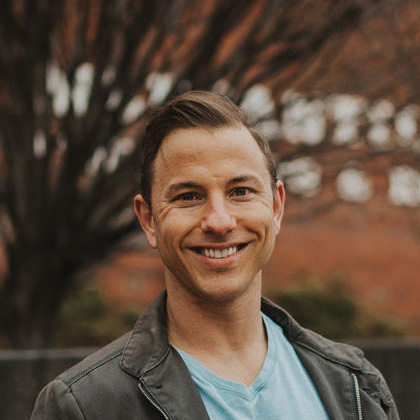
George Kalantzis
George Kalantzis is a Marine Corps combat veteran with over ten years of experience overseeing collaborative teams and managing complex projects in high-pressure, rapidly changing environments. Today, George empowers people to move through the toughest days of their lives at The Art Of Tough Transitions.
A single dad to a five-year-old daughter, George lives in New Hampshire, where he enjoys the great outdoors and faces one of his toughest transitions to date—navigating the twists and turns that come from raising a little girl in today's world.
📚 Books by George Kalantzis
Transcript
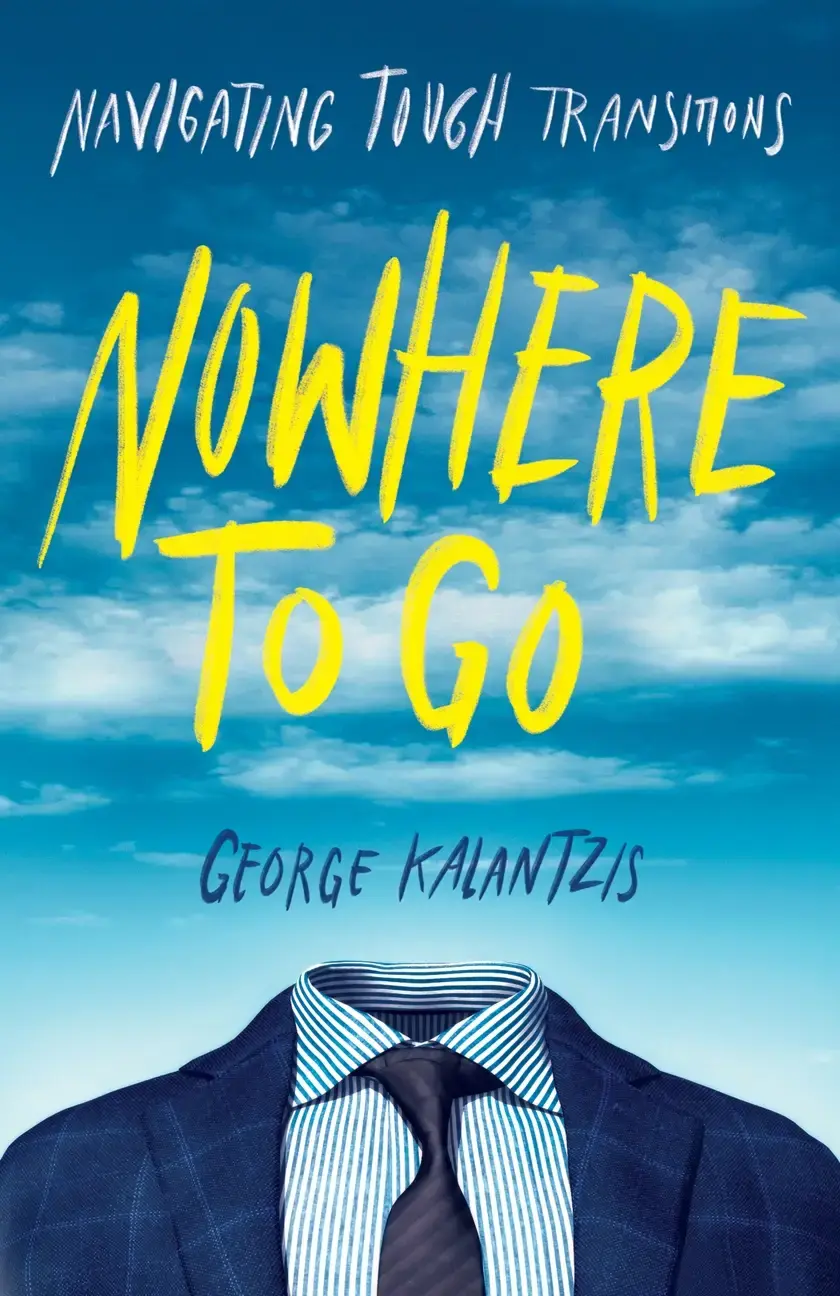
[0:00:27] DA: Life is not linear and it’s a magnificent dance that invites us to be more than we can imagine but that doesn’t mean that growing is easy. The transitions from one stage of life to the next can trigger feelings of fear, shame, guilt, anger, resentment, and even depression. In his new book, Nowhere To Go, George Kalantzis aims to help you let go of the past and move into the future with strength, dignity, and optimism through the raw honest stories from George’s life. The book shows you how to fully accept yourself and rewrite the way you see the world, to stop holding back from your best self and your extreme power. This is your path and your life is unfolding exactly the way it was intended. If you connect with your heart, listen to your voice, and free yourself from limitations and expectations, you could claim your true and unlimited potential. Hey Listeners, my name is Drew Applebaum and I’m excited to be here today with George Kalantzis, author of Nowhere to Go: Navigating Tough Transitions. George, thank you for joining, welcome to The Author Hour Podcast.
[0:01:32] George Kalantzis: Thanks for having me, I’m stoked to be here, this is so exciting.
[0:01:35] DA: Can you kick it off for us, maybe give us a brief rundown of your professional background?
[0:01:39] George Kalantzis: Yeah. It’s interesting, I joke with people, I’m pretty much a jack of all trades and I don’t say that lightly because I’m 37 years old and I’ve experienced just about every type of transition when it comes to careers you can think of from working at a young age, eight years old, from failure restaurants to continuing that on into teenage years to being a Marine and experiencing 10 years of different types of careers and leadership positions from air traffic control to guarding American embassies and everything in between and then after, getting out of the Marine corps and getting an MBA, starting a coaching business and now becoming an author. It’s been a little bit of a ride or journey.
[0:02:22] DA: Why was now the time to share these stories in the book? Was there something inspiring out there for you, did you have an “aha moment” or did you have enough people say, “George, you need to write this down, you need to spread your word to the masses.”
[0:02:37] George Kalantzis: This was totally unplanned, it was a soul’s calling if you want to say that. It’s definitely one of the most cathartic things I’ve ever done yet liberating at the same time. Pretty much, it gave me courage to let go of the past and then to have the strength to own everything in who I am today, right? It started about three years ago and life changes and clarity basically appeared in front of me the moment I chose to surrender to the life that was trying to unfold rather than resist it. I’d wake up in the morning sometimes I couldn’t sleep and have this big post-it notes all over my wall and I just started taking notes and lines and everything and next thing I know, it was a book. It came into the pages that the readers are about to read.
[0:03:21] DA: Now, when you said “Okay, I’m going to take these post-it notes, I’m going to take these thoughts and I’m going to put them down on paper” did you have any sort of major breakthroughs or learnings, maybe just by going through the writing process or digging deeper into yourself or doing some research on something you were writing about?
[0:03:39] George Kalantzis: I was just doing it for therapeutic reasons. I was challenged to write about my feelings and at first, I was like, “No way, I can’t do that, this is not possible.” and I started writing and every poem, every essay inside the book was a place for me to enter the unknown, right? I didn’t refuse it, I didn’t resist it, all I know that was something was calling me to write. I actually got help from a mentor, John Romaniello, who took a look at some of my writing, he said, “Dude, you have an amazing story but this isn’t quite ready for a book” and then he helped me kind of see what my true story was and that’s what you see in the book, the combination of essays and poems, right? It’s me going into those dark caverns as Joseph Campbell was talking about in the hero's journey and going untouched and taking only what I needed, my story.
[0:04:25] DA: You know, when you were putting down those thoughts, you were writing those for yourselves but now that they’re all together in a collection in this book, who is this book for? Who in your mind is the optimal reader for this book?
[0:04:39] George Kalantzis: Yeah, it’s for anyone who comes to a place in their life when they feel lost, right? This idea is I hope my words help them find everything they need because everything they need comes from within. Most of us are trying to run from place to place, destination to destination, trying to get to that next step in life when we face this struggle but the same results for all of us in the end is death and when we can accept that, everything that we need comes from accepting our story so we can move into the future with dignity, optimism and strength.
[0:05:09] DA: Let’s dig into the book itself and this is a book about you and all about you, every corner but let’s learn a little bit more about George. Can you tell us a bit about your early days and maybe what your childhood was like?
[0:05:25] George Kalantzis: Yeah. It’s funny, don’t we all just say like, “Our childhood wasn’t that bad” but we say that from the point of an adult and writing this book allowed me to see that while it wasn’t insane compared to some other people, when I was a young boy, the events that unfolded essentially I saw, I was in between my parent’s divorce, made me feel abandoned and rejected. I grew up in a Greek family so that’s tough. My dad had told me just to be a man, suck it up, at the age of six and so that carried this sense of, I was never enough in my life. Everything I did from that point on and up until I wrote this book was me chasing things to feel like I was enough and that brought me to a lot of emptiness inside. Sure, I checked off the checkbox in life but I was really chasing myself or that I had no clue who George was until my life changed when I got a divorce, which threw me into a dark depression, into a suicidal period where I almost took my life. The only way to come out of that was to stop, to slow down, to accept and really, let go of everything.
[0:06:32] DA: Now, before you got to that last point, when and why did you choose the military and specifically, the Marines?
[0:06:40] George Kalantzis: Yes, good story. It’s interesting because we got 20 years in 9/11 here. I was a senior in high school, it was 2001 and my life, I had no direction, no plans like most teenagers in high school, except I probably wasn’t going to graduate. I was fine with that because I was like, I can work with the family. My family, they own restaurants and businesses. Then, 9/11 hit and I had a sudden urge to go into the recruiter’s office to join the Marines and the reason I chose the Marines is because nothing was ever good enough, I couldn’t just join any branch, I had to be the best and so I joined the marines.
[0:07:13] DA: Did that work for you? Did that fill the hole or the desire you had in your life at the time and not only just joining and becoming a Marine, which is tough enough but spending a decade of active service?
[0:07:26] George Kalantzis: I think temporarily but as my journey with the marines began, I forged another identity. I wore another mask and then it was in my time as a Marine that I knew that I had something more, I just wasn’t sure what that was. I never really found the courage to trust myself enough to find what it was, I just knew I didn’t want to be a marine after 10 years.
[0:07:48] DA: Again, you mentioned earlier that the book is a collection of poems and essays and did you always feel like you could write poems? Did you think I could be a poet, was this new?
[0:08:01] George Kalantzis: Yeah, this was all new, this was honestly just another way for me learning how to get out of my head and into my heart. What I mean is, I had no clue what feelings or emotions were for many years and writing was a way that allowed me to connect my head to my heart because that path, even though it’s 18 inches, was disconnected and I write about in the book is a place called headless humans. Essentially, I was walking around as a headless human, disconnected from my body.
[0:08:28] DA: Now again, you’re extremely vulnerable in the book and you really opened your life up. What does that feel like, knowing that right now, someone can, in a few clicks on Amazon, read some of the darkest secrets and thoughts that you’ve ever had.
[0:08:46] George Kalantzis: It’s both fearful and heartfelt at the same time. I’m inspired, I’m grateful because I know that if I was feeling like this, there are many others who are also feeling like this and so I believe that my story will help others that are on that point where they feel like they have nothing left, right? This is I believe my book is like a reunion for those parts of their lives that have somehow been lost, right? The little bits and pieces within that day I feel like they shoved inside tiny boxes to become someone they weren’t and that’s what I’m excited about because people get to shed layers and see that they can be their most authentic self simply by telling the truth and accepting their story.
[0:09:29] DA: Yeah, so what would you say to someone who is, I don’t know, they are just not feeling themselves and they are just in a place where they’re just lost right now.
[0:09:39] George Kalantzis: The first thing is realizing that you can’t do it alone, you got to get some help because that was my whole entire life up until I chose to hire a therapist and coach. I tried to do everything alone and I kept everything inside and so if someone is out there feeling lost, feeling broken, the first part is an awareness of that. Then realizing that you can’t do it alone and that vulnerability that you feel as you ask for help while you are in between the unknown of what was once true, what was no longer true and the future that’s uncertain that is going to be the place, the choice that helps you get away from your suffering and really find your true meaning in life.
[0:10:18] DA: Now, to not do it alone, you know we have to look somewhere else for guidance and strength, so who could we look for, for that and if we do decide, “Hey, we’d like a mentor” what kind of mentors are there out there in the world?
[0:10:34] George Kalantzis: Oh, there are so many. I mean some people can just find it by reading. Some people can find it by listening to a podcast like this, right? That’s how I changed. I somehow was in the gym, you know, on YouTube searching for music on the day that I didn’t feel so good about myself and the YouTube video popped up a TED Talk about owning your pain and I clicked on it and it really started to challenge the way that I saw myself and the way I view the world. There are so many things out there but I think that the best is definitely getting some professional help like therapy or any type of coach or mentor that has been through something that you’ve been through or looking up to someone that is where you want to be in life especially when you feel lost.
[0:11:14] DA: You know, you talk a lot about – it is not like when you start on your path that you automatically are on the road to the end. You’ll sometimes get lost while in transition, so what are some reminders that folks can tell themselves that yes, great you took step one and you’re on the road but how do you right the ship if you ever kind of sway?
[0:11:37] George Kalantzis: What a great question. I believe in taking it one day at a time just like AA taught me. Every day, you look for a win because our brains are programmed to look for that negativity in life, right? We have to rewire our brains by looking for those wins even in the midst of chaos, right? A win could be like, “I woke up today when I wanted to stay in bed. I went to work when I despised it even though that I have something looking forward to” right? I asked that girl out, I asked that guy out, any of these smaller things that we tend to forget about and in the end, when you start to look for the wins every single day, you see that what your life is up to, right? That there are so many good things in your life regardless of what’s happening.
[0:12:18] DA: Now, you talk a lot about accountability in the book and that’s really the way you ask yourself questions, you be honest with yourself and you hold yourself accountable for things. This is not easy to do and so what emotions do you think that asking these questions and holding yourself accountable stir up for readers?
[0:12:37] George Kalantzis: For sure, it is going to stir up all of them, stress, anxiety, fear, shame, resentment, right? But really the beauty of those things, those feelings is that once you learn to acknowledge them and have that conversation and be able to feel them, you’re going to find that your life is going to be completely different and so much better after because emotions come into our life for a reason, right? They are literally have the word emotion into it for a reason. It’s to drive us to do something differently and so whenever we are feeling that heaviness, all those feelings, it is a chance for us to do something differently, to change.
[0:13:15] DA: Going back to you, who is the George now? The author, you’re on this podcast right now, who is the George now versus the George either at the start of the writing of the book or when you take a step back further from that, the George who just started writing those notes?
[0:13:37] George Kalantzis: Truthfully, who the George is right now I’m figuring that out and I’d like to say we all are. In fact, I signed up for a vision fest in the desert next month but I’d like to say that I’m a kind compassionate warrior and that’s how I look at myself right now.
[0:13:52] DA: Well, what steps do you hope a reader will take? Say, they read the book and they are motivated now to make change in their life. What do the first few steps look like and you know as you said you’re still finding yourself, is there a timeline for a transition period that people can expect?
[0:14:12] George Kalantzis: You know, I don’t think there is a timeline for it because all of our lives are unique. What I do know is that when you find the courage to connect your head to your heart even though it is the shortest distance it is also the longest path we’ll ever walk. You’re no longer going to be driven by those emotions of shame, guilt, fear, resentment, anger or whatever else, right? Instead you’re going to find acceptance that something is greater, is happening in this moment that you are choosing to show up to life, right? Rather than react to life or choose to create a life around someone else’s story, you are creating your own story and I think that’s the whole amazing part of this, right? I wrote a book about finding yourself in tough times and yet here I am shedding layers and even going deeper. It never ends.
[0:15:06] DA: Well George, we just touched on the surface of the book here but I want to say that writing the book you wrote, which is you’re incredibly vulnerable and you could tell that the goal is to not only open yourself up but to really help others open their selves up is no small feat to complete something like this. So congratulations on having your book published.
[0:15:28] George Kalantzis: Thank you. It’s been an amazing process.
[0:15:31] DA: Now, we just talked about some steps you hope readers will take and I have one question left and it is the hot seat question. If you could narrow it down to only one single thing that readers will take away from the book, what would you want it to be?
[0:15:46] George Kalantzis: You know, I know what it feels like to want to reach into your past and change everything. You know, when you are in a place where you feel like you should have done this and you should have done that or you should have been this but here’s the thing, when we’re in that place or when you’re in that place, you are denying the path that the universe, that the world is trying to show you because whatever had happened up into this point is a reflection of what you believe to be true about yourself and the choices that you have made. While this might make you cringe inside, healing is never a linear or fun process at all. Pain doesn’t disappear, right? Your heart heals your heart, and so when you can discover how to feel things as they are, you’ll see that there is a better plan unfolding for you, and the moment that you become aware of that is part of that plan.
[0:16:40] DA: Well George, this has been a pleasure and I’m excited for people to check out the book. Everyone, the book is called, Nowhere To Go, and you could find it on Amazon. George, besides checking out the book, where else can people connect with you?
[0:16:53] George Kalantzis: Yeah, sure. The best place I’m mostly active on like a lot of people is Instagram, it’s @_georgekalantzis and then you can check out my website, it’s theartoftoughtransitions.com and I also have my own podcast, The Art of Tough Transitions.
[0:17:06] DA: Well George, thank you so much for coming on our podcast today. I appreciate your time and we wish you best of luck with your book.
[0:17:13] George Kalantzis: Thank you, it’s been a blast. I appreciate it.
[0:17:16] DA: Thanks for joining us for this episode of Author Hour. You can get George Kalantzis’s new book, Nowhere To Go, on Amazon. Also, you can also find a transcript of this episode and all of our other episodes on our website at authorhour.co. For more Author Hour, subscribe to this podcast on your favorite subscription service. Thank you for joining us, we’ll see you next time. Same place, different author.
Want to Write Your Own Book?
Scribe has helped over 2,000 authors turn their expertise into published books.
Schedule a Free Consult