Dana Roefer: Shop Social: Connect with the People and Products that Support your Best Life
Read the full transcript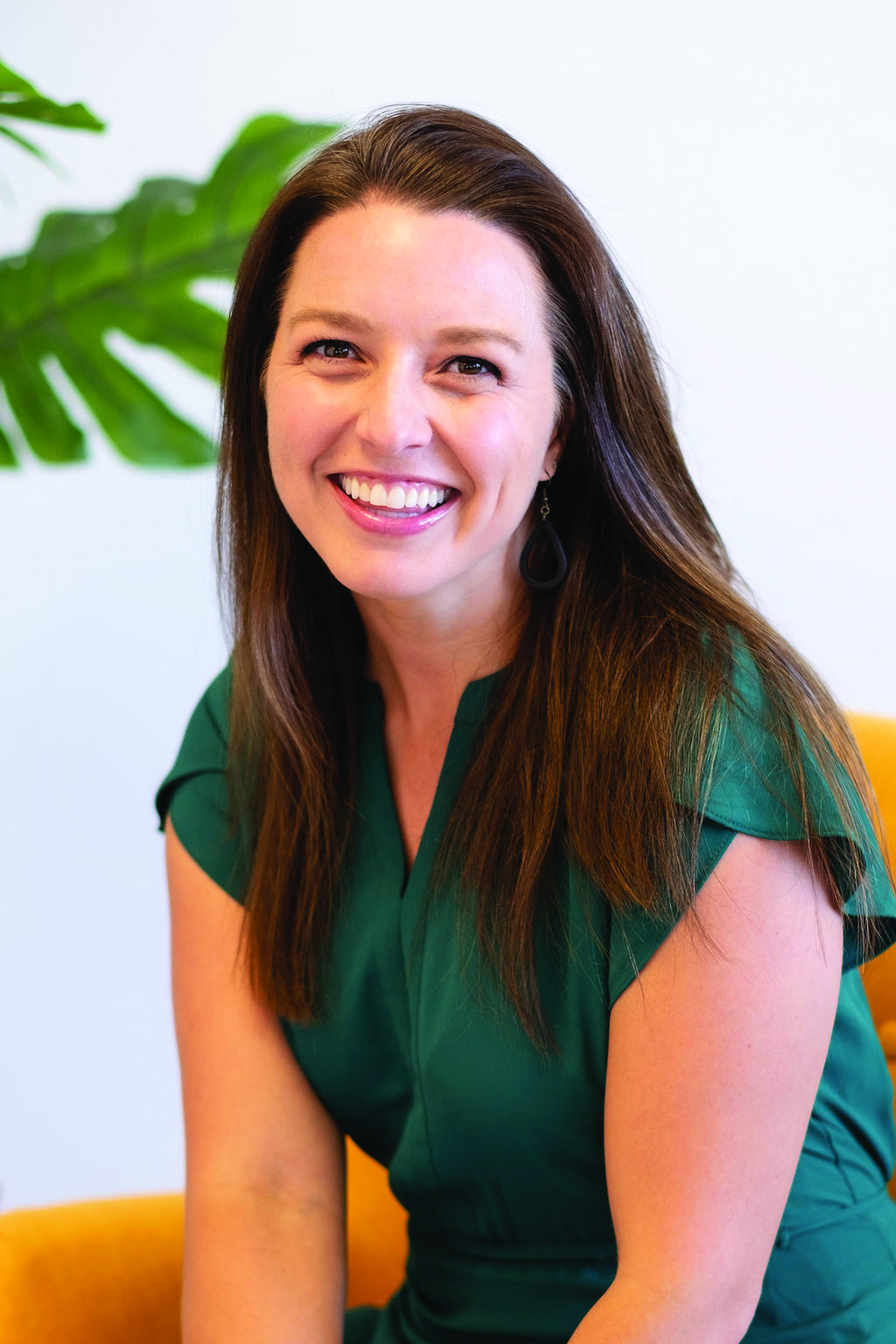
Dana Roefer
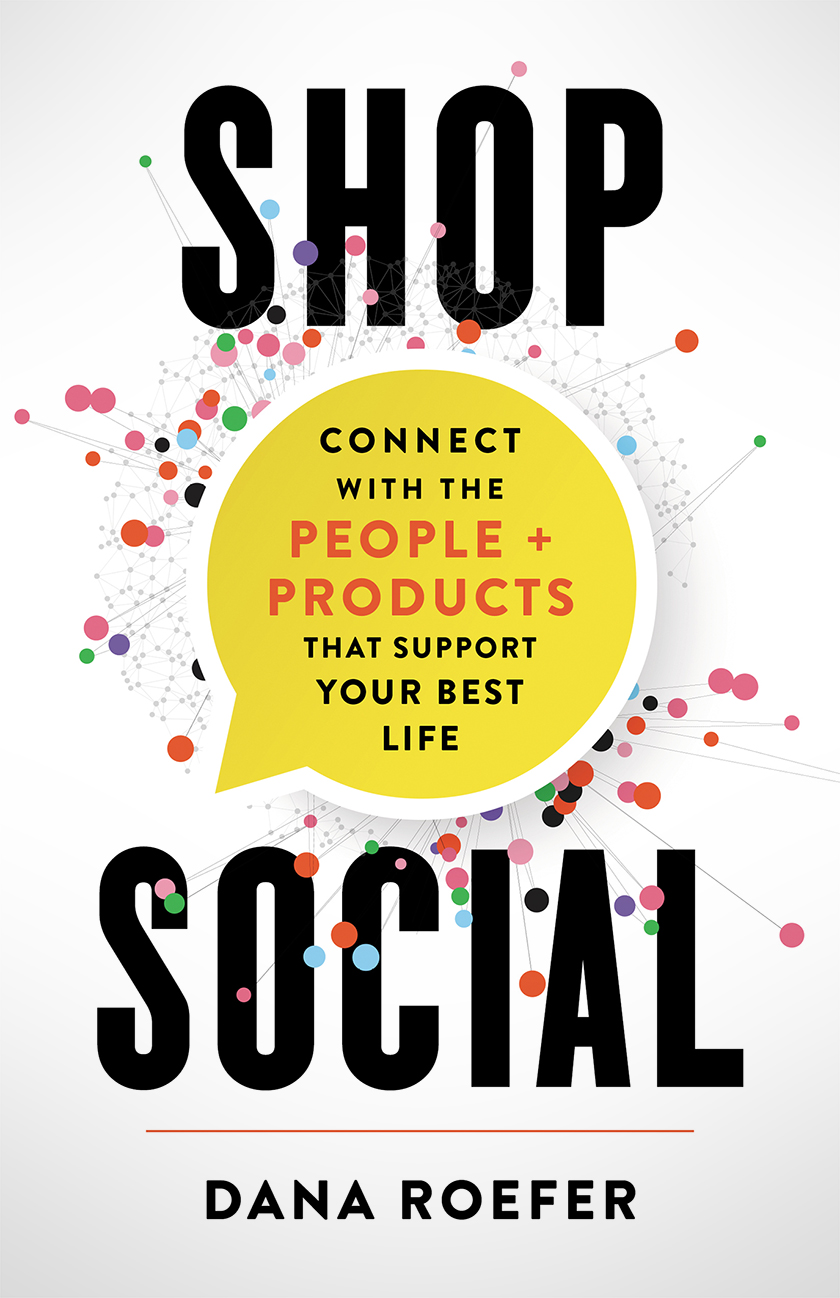
Dana Roefer is a LifePlan facilitator and social selling consultant who helps people, especially women, find clarity in their personal and professional lives. A self-described serial starter, she has co-founded two nonprofits, the Grand Rapids Children's Business Fair and Journey Academy, both dedicated to nurturing creativity and innovation in young people, and she serves as Vice President of Faith Driven Entrepreneur for Teens. In her book Shop Social, published in 2022, she shows how building a microcommunity of people who know you and are invested in your well-being can save time and money while putting you in control of your own health, happiness, and fulfillment. Dana lives in Ada, Michigan.
📚 Books by Dana Roefer
Transcript
[0:00:35] DA: You can shop around for happiness and fulfillment, but the choices are many and the outcomes aren’t clear. You don’t know if anything you buy will do what you want it to do and there are no guarantees. Consumerism is a costly, time-consuming, and ineffective solution for getting what you want. Instead, you need clarity around what you want and intentionality in how you’re going to get it and you need expert partners who have your best interest in mind, a circle to support you in your transformation from consumer to investor in yourself, your home, and your family. Dana Roefer’s new book, Shop Social, goes beyond the traditional understanding of buying from friends and shows how building a micro-community of people who know you and who are personally invested in your wellbeing can be a lifechanging experience that saves time and money, while putting you in control of your own health, happiness and fulfillment. It takes the struggle out of what to do next and puts you on a clear path to your best life. Hey listeners, my name is Drew Applebaum and I’m excited to be here today with Dana Roefer, author of Shop Social: Connect with the People and Products that Support your Best Life. Dana, thank you for joining. Welcome to the Author Hour Podcast.
[0:01:59] Dana Roefer: Thanks Drew, I am super excited to be with you today.
[0:02:02] DA: Dana, help us kick off the podcast. Can you give us a brief rundown of your professional background?
[0:02:07] Dana Roefer: So professionally, I spend a lot of time with entrepreneurs, and I have and I also am personally very entrepreneurial and so I found myself in a space of supporting and encouraging entrepreneurs, whether that was in nonprofit work, in a corporate setting or encouraging kid entrepreneurship or doing it myself. So pretty much all of my professional experience has been in and around entrepreneurship of some sort.
[0:02:39] DA: So why was now the time to share your story and write this book? Were you especially inspired by something, did enough people tell you to need to really spread your message to the masses?
[0:02:50] Dana Roefer: Yup, that’s a really great question, Drew. I grew up around a kind of social selling, social shopping in my family and it was something that I was always interested in and through the times that I’ve spent working with entrepreneurs, I realized that not everyone is going to be able to go out and raise venture funds. They’re not going to be able to, eventually, they will but you don’t normally start there, right? So a lot of the early entrepreneurs that I was working with had these aspirations of building really big businesses and I had always seen and kind of, it was this two things coming together and I asked this question, “Well, where do they start?” like where could people start and I started to see these themes and being in and around the – you could call it, you know, social selling, social retail, direct selling, network marketing, whatever you want to call it, has so many different names but I just really realized that it’s a great place for entrepreneurs to start. So that story was in my mind for such a long time. Fast forward to 2021 and I had a – it was just a really hard year for our family. There were some health challenges in the family, I talk about it in the book, which is not easy to do but I was able to talk about a lot of those things and I asked myself, “Hey, I’ve been in and around this space for so long, I have goals that I want to hit in my life” whether it be my health, some other personal areas, “Where should I start?” I started with the space that I knew and that was going to my friends and choosing to support them because I believe that they could help me and that’s really where the story came together, you know, out of real life and out of seeing needs with entrepreneurs.
[0:04:48] DA: When you started to write the book, who were you writing this book for? Is this for entrepreneurs? Because you do also talk about just empowering women and the shopping journey in general as well.
[0:05:01] Dana Roefer: Yeah, it’s a really great question because I think it’s written for a handful of different people but ultimately, I wanted to be for that general, like the average consumer, those of us that were constantly bringing products in and out of our lives, right? My encouragement in the book is really for women, and really, for women to recognize that they’re worthy of investment and then to find the intentionality to decide what they need and go after what that may be. So let me give you an example. If you’re at calling it, it doesn’t matter, whatever kind of big box store you like to shop at in your local area, when you going those isles, the endless isles of you know, kind of the pharmacy, personal care, even the clothing sections, my question always is and I think this to myself when I go to the store a lot like, I can spend 20 minutes in the shampoo isle but how do I know that anything in the isle is actually going to do what I want it to do for my hair. I know it’s a silly thing, but I found that when I talk to my friends, they can help me. I have a friend, my friend, Courtney, who represents a hair care brand, and she asks me the questions that a bottle can’t ask me. A person can ask me but a bottle can’t ask me. So I really wrote it for people like me that are tired of like, the personal care graveyard, it sounds such a silly thing, right? Like, we buy these products, we hope that they’re going to do something for us and then they maybe do, they maybe don’t, and I just wanted better than that. I wanted better results and wanted to know that my investment was doing what I hoped that it would do and so that’s what I wrote it for. It was really just for a general consumer to consider investing in themselves while supporting their friends.
[0:07:04] DA: That story’s very relevant and you actually mentioned in the book that you hate shopping.
[0:07:09] Dana Roefer: I hate it.
[0:07:09] DA: Yet here you are, writing a book about shopping. Let’s talk about that transition and how you went out and actually found that better shopping experience where your expectations were met and you felt like you were doing good.
[0:07:24] Dana Roefer: Yeah. So, about – I want to say, you know, we’re in August right now, of 2022, about this time last year or maybe it was 15 months ago, 15/16 months ago, I heard of a new brand. I saw a new brand and I’m always curious about new brands and I reached out to actually a girl at this point that I didn’t know through social media, this is over Instagram and what she was wearing, it looked really cute. I hate shopping and so I reached out to her, and we were voice messaging back and forth her Instagram and I said, “Well, what would you suggest for me?” and she’s asking all these really great questions and then I made my first order and when I got these clothes, I felt incredible. Like I felt better, they were comfortable. I just, it was such a better experience that I was like, “This is so powerful” and I wish that more people knew that it could go this way, you know? Because I think we don’t always think of it that way because what I’m used to, I hate shopping, what I’m used to is going to the store, buying usually the same one thing in like 10 different colors because if I find one thing, I have to buy it in all the colors.
[0:08:39] DA: Yeah.
[0:08:39] Dana Roefer: Then I end up taking about 60% back because when I get home, I never liked the things that as much as I thought that they did at the store and it just doesn’t work for me, right? It just was a broken experience and so I find that when I can connect with real people that ask me really great questions to make me think about what I actually want, the probability of success in shopping is higher, and still, if it doesn’t work, I can return it just like anything else, right? Does it work every time? No, of course not but I also know that with anything else, I can take it back and I’m learning what I do and don’t like along the way. Whereas, when I’m left all by myself to make those decisions in any sort of store, I don’t know what decisions to make, and I make a lot of decisions in life and work and as a mom and these are not ones that I wanted to make every day.
[0:09:39] DA: So is that in your definition, the definition of social shopping and you know, the name of the book is Shop Social. So, is hearing something good, something organic from a trusted source, is that social shopping or is there more to it?
[0:09:53] Dana Roefer: Yeah, that‘s another great question. You know, this is something that we’ve been doing forever. So social shopping is not just through social media. I think it happens way more often now but I think any sort of referral based from someone that you know and trust is that, right? It’s through a personal connection and so I feel like that personal connection piece where someone that legitimately cares about you and authentically cares about you is asking questions and wants to help you, that’s where I feel like the magic is in social shopping and I know it’s not that way for everybody and every circumstance. It’s not that way for me in every circumstance but that’s really what I think it can be and what I have seen that it is in many situations. So yeah, I think I called it Shop Social because I really do think that we have the opportunity to connect now with the advent of social media, the prevalence, how much time we’re spending there, all those things, I think we have the opportunity to connect and raise that we haven’t before if we’re willing to do it. I talk about that in the book too, it takes vulnerability to connect with somebody and say, “Hey, I feel like I might need to lose a few pounds” or “I feel like I don’t get, my energy is just down the drain because I’ve got a newborn and a toddler.” Those are really hard times in life and taking the opportunity to reach out to somebody, that’s a hard thing to do. am encouraging people to have those conversations too and letting trusted friends come alongside them.
[0:11:37] DA: For social shopping, is it certain categories, is it a lot of just makeup and household or does it really go beyond that into any shopping experience?
[0:11:48] Dana Roefer: Yeah, I think it is generally in a lot of consumable products you see it mostly, right? A lot of supplementations, a lot of sports nutrition, a lot of hair care, clothing, cleaning products, household products, those types of things. I think there is a lot of those. Goodness, anything that you’re doing through a social network or through a person-to-person network is also it to some degree, right? Your financial adviser, your personal trainer, I mean those are trusted relationships in your life and so I think the invitation I am trying to put out there is like we trust people for those things, why don’t we trust other people for other things? I talk about a concept of kind of your micro-community or who is in your circle and so when you’re looking at all of those people that support you in different areas, you know, sure you have your doctor. You have dentist, you have your trainer, you have your naturopath or your chiropractor, like you have those people that are in your life but there are other areas that you could also have people in your life and I don’t know that we naturally all do right now and I think we could and I found in my personal experience having people for those other categories really helps me from an accountability standpoint, from a friendship standpoint. From just someone they have conversations with and answer my questions. Yeah, I really think that if we think about the relationships that are in our life, we can have people that are supporting us in many different areas.
[0:13:21] DA: Can you talk about circle more? You do say to be more successful, you’ll build a circle around you, a circle of trust if you will. Who do you bring into the circle and how do you bring them in?
[0:13:36] Dana Roefer: Yeah and I think for me, it’s a little bit different, right? Because I have been on this journey for a little while. Some people and most of whom are women, a lot of the women that I lean on and trust, I know. They are in my community, they are my friends, and we are in similar circles already in our community but there are others that I have said, “Hey, I am looking for this particular outcome and I don’t have that in my community.” I just told you about one with the clothes from 15, 16 months ago, I found her through social media. There had been two or three others that I have found through social media that we’ve now built a relationship and a connection with because I was looking for this specific thing, I had the need that they could fill. It’s a mixture, right? It’s a mixture of like local and social I guess, so there is that mixture, but I think it really builds a good solid group of what are the needs that I have and how can I find people that are going to support those. Then in turn, I am supporting them. It’s both and which is so fun because I want to be an encouragement to them too but I’m the one that’s getting the benefit in the end.
[0:14:51] DA: You spoke about this before that, traditionally, folks will kind of shop to convenience, right? You will go to the closest store, the biggest store necessary, so what is that transition look like? How can you stop and think about saying, “Okay, I am going to put a little bit more effort in.” I am going to go the extra mile both by talking to somebody and getting a good great recommendation or finding the exact right product. It might be a mile further down the road. How does that mental shift and transition really happen?
[0:15:22] Dana Roefer: Oh, I am really glad that you asked this question. For women, I can speak for women, I honestly am a life plan facilitator also. I work with men and women and just try and help with life strategies. How do we figure out what the best things are for us so we can make a plan and not a destination but a direction, right? Figure out a way that we want to go. I think at first Drew, starts with recognizing that you’re worthy. You know, that sounds kind of silly probably but that you’re worthy of investment, you’re worthy of feeling good, you’re worthy of looking good, maybe, if that’s something that you’re really concerned about and so there’s this piece of like, I have to believe that I am worthy of it first, that I am worthy of the investment in myself and surely, there are financial considerations. I get it, right? There are times when I am like, “I don’t care what the product is, I want the cheapest one” right? That is not necessarily what I am talking about around my health and my family and my home though because I have decided that those pieces are non-negotiables for me. You know, do I care which ketchup I get? Probably not, it doesn’t matter to me. It does actually but you know what I mean, it is just an example. So I think that there is that intentionality about what are the things and you have to know yourself. I mean, it really is a conversation with yourself about knowing what are those things that you need and why do you need them. I understand that there is a lot of upfront work in that but it’s really important to work. If I don’t choose as a wife and as a mother and as a woman, if I don’t choose that I am worthy of investment and worthy of health and energy and peace and joy and all of these things, then I’m just going to be left with whatever comes my way and I don’t want to do that. I would much rather take ownership of my own life and figure out what are the steps that I need to take in order to be at my best. That’s why we say that in the title, right? In order to be your best self because we want to feel our best and I believe that we all want this, but it takes work, it really does. I mean, it takes work and time and intentionally in recognition of worthiness. It is not an easy thing to do in the beginning, but I think in the end, you can feel better, and you can have the things that you want and you can lead your family in a way that you feel proud of and you’re excited about, it’s possible.
[0:17:57] DA: What impact do you hope the book will have on a reader once they finish and are there any immediate steps you hope they’ll take in their life?
[0:18:06] Dana Roefer: I hope that they’ll think about it differently, you know? I picture people, the picture comes to my head all the time. I remember my kids were sick and it was last winter and I was in the kid medicine aisle and I was stuck there for, I kid you not, 40 minutes, and the supply was down. There were gaps all over the place and me and this lady next to us were sitting there for like 30 to 40 minutes and we’re like, “What the heck are we supposed to buy?” We had no idea. Granted, we could have probably asked the pharmacist at that moment, but they had a line, you know, like a super long line of people picking up scripts and it was just this “aha moment” for me of like, “Why am I doing this way? I am not the expert in all of these things and so why am I trying to be?” and so I think for me if we could have more conscious consumers that are saying, “You know, I really want the best things for myself.” “I want the best health” and then back that up to say, “Who can support me in those areas that I want to have?” it just works for more people like for yourself as a consumer but then, when you combine that with supporting your friends and maybe the business that they have or I mean, influencers do this all the time, right? We buy things from influencers on social media. We know that they’re being compensated for it. I mean, there is just a lot of this happening now and so why don’t we do it more and why don’t we really lean on those people that we trust, and we know and we like to change the way that we shop? That’s what I hope.
[0:19:50] DA: I love it.
[0:19:50] Dana Roefer: I hope that people will do that.
[0:19:51] DA: Dana, we just touched on the surface of the book here. There is so much more inside but I just want to say that just putting this book together as a way for women to enter that positive mindset as both an entrepreneur and a consumer is no small feat. So congratulations on having your book published.
[0:20:07] Dana Roefer: Thank you. I’m super excited.
[0:20:10] DA: Dana, this has been a pleasure. I’m excited for people to check out the book. Everyone, the book is called, Shop Social, and you could find it on Amazon. Dana, besides checking out the book, where else can people connect with you?
[0:20:21] Dana Roefer: I have a website, danaroefer.com, hopefully, you’ll write it in the show notes because my last name is kind of challenging, but it means that I can always get the URL because no one else has the same name.
[0:20:33] DA: That’s fair.
[0:20:34] Dana Roefer: That’s the best place to find me. I’m hit or miss that, ironically, I am hit or miss on social. I use it for very particular things. Of course, I am on Instagram, I’m on Facebook, I am on LinkedIn. I would love to connect with people, but I would love to hear from people too. You know, they can contact me through the website, and I just love connecting with people.
[0:20:54] DA: Well Dana, thank you so much for giving us some of your time today and best of luck with your new book.
[0:20:59] Dana Roefer: Thanks Drew, I really appreciate it.
[0:21:01] DA: Thanks for joining us for this episode of Author Hour. You can get Dana Roefer’s new book, Shop Social, on Amazon. Also, you can also find a transcript of this episode and all of our other episodes on our website at authorhour.co. For more Author Hour, subscribe to this podcast on your favorite subscription service. Thank you for joining us, we’ll see you next time. Same place, different author.
Want to Write Your Own Book?
Scribe has helped over 2,000 authors turn their expertise into published books.
Schedule a Free Consult