Katy Landis: Episode 1167
Read the full transcriptKaty Landis
Katy Landis is a motivational speaker and nutrition and mindset coach who focuses on the root cause of emotional eating. She has a passion for helping people break the cycle of destructive overeating, develop positive habits, and form healthy relationships with food. She is committed to empowering others to reach their weight loss goals, nourish both body and soul, and transform their lives. She and her family live in the UK.
📚 Books by Katy Landis
Transcript
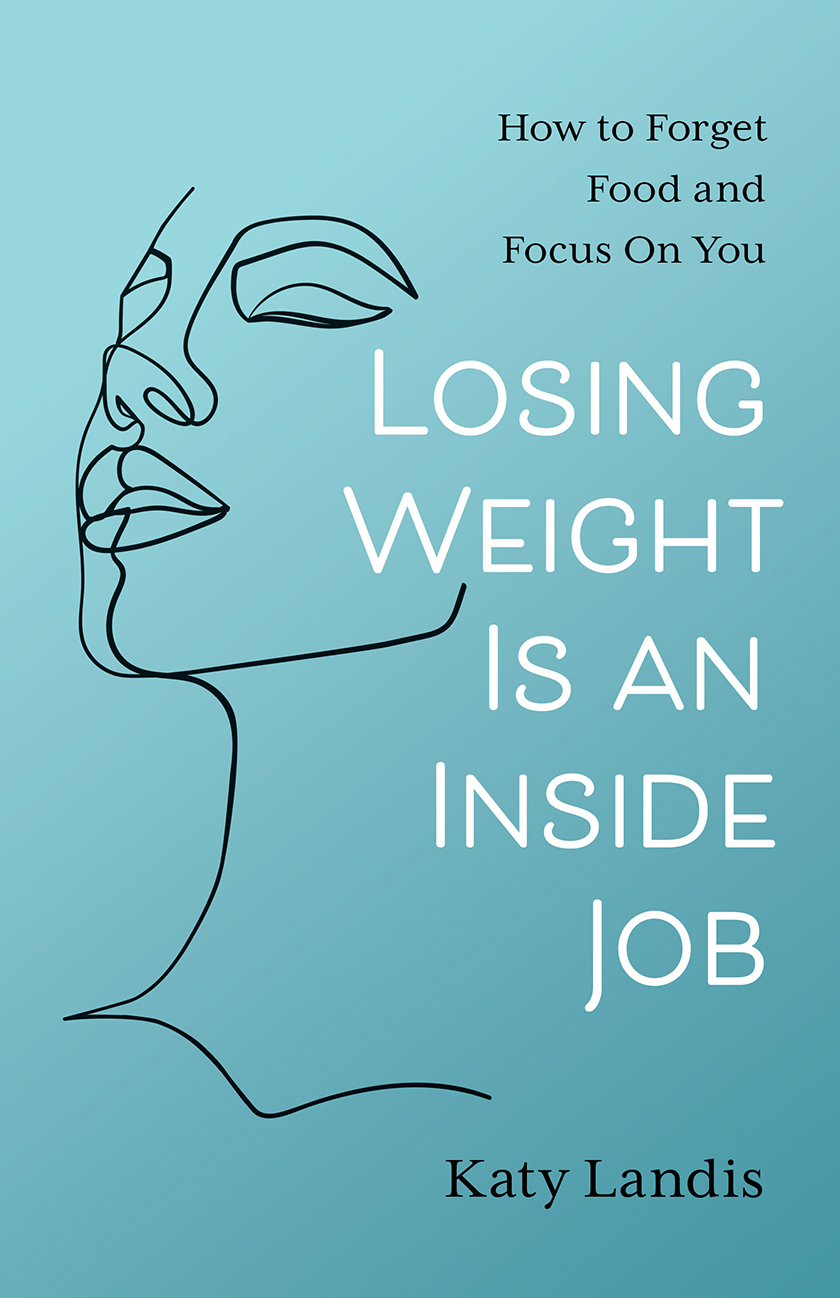
[0:00:40] HA: According to my next guest, we’ve been fed a lie. Losing weight is not just about food. It’s connected to what makes you reach for something to eat when you feel overwhelmed. Welcome to the Author Hour Podcast. I’m your host, Hussein Al-Baiaty, and I’m joined by author Katy Landis today, who is here to talk about her new book, Losing Weight is an Inside Job: How to Forget Food and Focus on You. Let’s flip through it. Hello, everyone, and welcome back to Author Hour. I am here with my friend, Katy Landis, who is calling me all the way from the UK. Welcome, Katy, welcome to the show, thanks for joining us and I’m super excited to get into this book.
[0:01:24] Katy Landis: It’s great to be here. Thank you, Hussein.
[0:01:27] HA: Yeah, absolutely. So the title of the book is amazing. Losing Weight is an Inside Job. See, I’ve known that but it’s the acting on it, right? I’m super excited to talk about your book because you know, you’ve put a lot of energy into this mind-body connection and where food plays a role. But before we get into the book, Katy, I would love to share a little bit about you, your personal background, perhaps where you grew up, and maybe a person or an event that led you down the path that you're on now.
[0:01:58] Katy Landis: Sure. Well, I was brought up in London with my brother and my parents were both actors and they got divorced when I was seven, and yeah, my childhood was quite drama-filled and I think that I turned to food at quite a young age without even realizing that I was and then as I got older, I met my husband and now I have my two boys, my two teenagers and we live in Sussex, which is in the country now, I’m not in London anymore.
[0:02:35] HA: Wow, that’s amazing. So tell me a little bit more about you know, how you got into the line of work that you’re in, you know, around losing weight and sort of, you know, getting healthy and you know, changing the perspective of people as mindsets like, tell me a little bit about that work and what got you into it?
[0:02:53] Katy Landis: Well, I think I got myself into it by reaching a moment in my life where I couldn’t take it anymore. I was acting out, blaming others, eating a lot of food, and always thinking that the solution was in another diet. So I would get really excited about trying something, especially if it has a glamorous name like the Beverly Hills diet and just eat fruit for a week and then just eat one vegetable and then just eat steak and just do these ridiculous diets and lose weight and I still feel didn’t good within myself. It was almost like I was trying to feel good about how I looked on the outside, and I was good at losing weight, so I would yo-yo, especially in my 20s and 30s when it was easy to lose weight. So I would go on a diet or whatever the latest eating fad was, lose the weight and the minute I finished, it was like I didn’t know how to be in a world of food without being told how to eat. So I was either under-eating or overeating and completely obsessed without being aware that I was obsessed and it was only when I hit a really low ebb when my mother died and I was going through a really difficult time with my husband that I realized that things had to change and they had to start from within. Because unless I address the root cause, by looking to food for the answer when that was the symptom of my problems, I was just on this cycle, this downward spiral all the time and not really pleasant and I’m just really blessed that that hit me when my boys were so young, one was a baby, one was a toddler. Because up until that point, I’d been sort of ricocheting from one drama to the next without really addressing what was going on within me and how my perspective of what was going on was the most important thing.
[0:05:05] HA: I’m going to dig a little deeper because I’m really interested. I feel like most of us human beings, we all go through difficult times and you know, how we cope and deal and build our resilience back up and like, my guest beautifully said yesterday, not only do you build resilience to build up but you also build it to go forward and I thought that was really powerful because you know, I walkways as myself when I grew up, being a person that not only could, you know, be resilient because we came from the middle east and refugee camps and all these things. But also, I knew that, at some point, I was obsessed with becoming a business owner, right? Like, I obsessed and worked my face off and all those things but it was also trying to fulfill something, you know, that work was not going to do. I just wanted to feel good enough, right? And you know, I feel like that overwhelm connection is huge because that leads to such bad habits and it sounds like for you, you know, food was an answer to try to like, fill this void. I’d like to go there for a second if you don’t mind. What was that feeling that you felt like you needed to replace? You know, what was that place that was deep that you felt was the root cause of what you were going through?
[0:06:30] Katy Landis: I love that question and that void is just about not feeling worthy, not feeling like you belong, just not feeling good enough and I love what you said about moving forward because that’s what it has to be about, about transformation and this is what I love about my journey and when I take other people on this journey is that it can – this problem with food can open a door to such self-awareness and transformation and I think I got it quite young. I had two parents that love me but they had their own traumas being brought up and I had a stepfather that didn’t really want his wife to have two children. So I wasn’t wanted by him and he didn’t really look at me and he didn’t speak to me. So I got this feeling that I wasn’t good enough and children get into all sorts of ways and I just wanted to be really clear that it’s not about blaming the adult because they purposefully being too difficult upbringings themselves when their parents just didn’t have it to give but I wasn’t aware o of any of that. I was just aware of this void that needed filling and as you said, you filled it with work and I filled it with food and it wasn’t just the not eating or eating, it was the obsession. So I could have got to be – especially when I was in my teens and my 20s, I could actually lose a lot of weight and get to the sort of body that I wanted to have but the moment I hit it, I knew I would stop climbing and in fact, I prefer losing to putting on because then I had boundaries. I was putting everything into the food, I was looking in the wrong place. I had to look within and I was looking without and what was going on in my life. I had to look at my resilience and my perspective, and how I could change that and the way to change it for me had to begin with awareness. I had to be aware of how I behaved because if you’d asked me 20 years ago, I wouldn’t have known this. I just knew that the fridge door was open and I was eating. I wouldn’t have actually known what had just happened that made me do that. I wouldn’t have looked at the root cause. So just to start looking at ourselves and what we’re feeling and actually getting into contact with how we’re feeling physically, how we’re feeling emotionally, are we feeling heavy and almost putting a white coat on and looking at ourselves and taking inventory of what’s going on just to offer some understanding and compassion to ourselves. Because I know being a mother, I could always put one of my children at the top of the list but when it came to me, I was always chasing my own tail, being tired, overeating, obsessing, and just slowing down and learning extreme self-care and how to look after ourselves and offer ourselves love and compassion, for me was the beginning of change.
[0:09:48] HA: Yeah, that’s so powerful and I think the byproduct of trying to feel that void is that in a way I think for me, this is why your stuff just really resonated with me, I think for me it was about in order to feel the void, I also felt shame and guilt. Because I was overworking, I needed to compensate like somewhere else, you know what I mean? And if I didn’t fulfill other people’s needs or all these other things then I would feel guilty and then I would sort of overreach or overextend myself to do that and I’m just – at the same time, I’m just emptying the tank further and further and it just felt like you said, like this vicious cycle and you know, there’s the one thing that of course, brought my attention to it was people around me that my supporters, you know, my family, my friends. My friends said to me, he’s like, “Man, every time I’ve seen you in the last like six years, it’s been at your shop. Like, could we go somewhere?” and it just, oh my God, it just like, it hit me in the face so hard and that’s when I knew that I needed to make some changes, you know? And really start to think things out. So, I love that, you know?
[0:11:02] Katy Landis: It’s interesting, you talk about shame because it’s just so powerful and it can run our lives and we’re not even aware of it. I was so not aware that, at my very core, I felt the deep shame of not being good enough and so I wanted to do a thing. For me, it was on the outside to lose weight but it can be anything like you say and just to be aware of that because that not feeling good enough, that feeling responsible for everything and everybody, it changes our expectations. I mean, when I was young, my whole being wanted to make sure that my mother was okay in this relationship. So I was relying on someone I had no control over and no power to be okay so she could look after me and that can continue with this illusion of control over other people, relationships, anything. Places, situations, and it has to begin with me and that’s the last place where I wanted it to begin and that sort of self-care isn’t just about, you know, massages. It’s about taking care of our needs first so that we have yeah, gas in the tank to be able to give, especially if we have children.
[0:12:23] HA: That is so powerful, you know, I think that level of thinking and level of awareness, it’s definitely not only the start but it is the push forward. You know, sadly, it has to come to – sometimes I feel like it comes in realization in a beautiful way. In a lot of ways, it’s interesting because the problem becomes the solution, right? By really analyzing, why do I – why am I consuming this at this hour? Just waking up to that, right? Then just get you to question your decision making, your behavior and I think that is like the road to the internal piece, right? It may be as long as you know, the rest of your life but at least it’s a start. So I appreciate you sharing that.
[0:13:03] Katy Landis: And the problem is that we live in a society where we all want the quick fix, the pill, the two-week diet, we want immediacy.
[0:13:12] HA: The Beverly Hills one, don’t forget that one.
[0:13:16] Katy Landis: Yeah but actually, when we do the deep change and the deep shift, there is so much peace on the other side. There was so much joy on the other side because I noticed and this is the people I work with as well, when you use food to push down and numb and not feel, because you don’t want to feel for whatever reason, you’ve learned not to feel, you’re also denying yourself the other side of the spectrum, the joy, the happiness. You’re making your emotions smaller in every way. It’s difficult with emotions when you’ve learned your whole life not to feel alone. Even, it might just be – we’re told when we’re young, aren’t we? Be a good girl, be a good boy, be brave. You know, people lose their husbands and, “Oh, isn’t she being strong?” As if it’s not okay to fall apart, it’s not okay to feel your feelings and sometimes the only way is through but that propels you to the future rather than getting stuck in the past which is what happens when you're continually pushing down your feelings and your emotions. And also the compassion and love that this is just a survival mechanism that you’ve always used and you have to notice how you’re using it to be able to break out of it, accept that that’s what you do, and then you can take action and it is deeper, harder work than a quick fix but the outcome is a complete transformation of your relationships with other people, as well as your relationship with food. Your relationship with everything and just noticing how you use food and relationships to give yourself a bit of a release, it's almost like a momentary release because anyone who uses food, they know when they’re eating that they’re going to feel even worse after. It’s almost just like a momentary numbing, it doesn’t last forever. We have to come up the air at some point.
[0:15:27] HA: Yeah and I think you know, it’s like a fix, right? It’s just a quick fix and that comes in the forms, many different types of forms. I mean, from gambling to all kinds of different formats and how this sort of behavior starts to grow and manifest itself but like you said, I think the realization is up to anyone and the realization can come from every kind of spectrum. So in your book, you emphasize the importance of dealing with, you know, these painful experiences without being at the mercy of our emotions. Can you share maybe a technique or a strategy that readers can use to help them achieve this?
[0:16:03] Katy Landis: Yeah, sure just a simple one. I call it the PEACE method because it is a good acronym. So P is just simply for pressing the pause button and it could be, if it has to do with food, it would be the moment and the idea of eating each. The moment and the idea of eating pops into your head, it’s not when the fridge door is open and you’ve got your hand in the food. It’s just that idea and that’s when you just give yourself some space to make a different choice. It is also quite helpful if someone’s irritated you and you have that knee-jerk reaction to want to say something but we’re talking about food here. So it’s just at that moment, you just give yourself some space and press the pause button and then E for emotion. Just simply what emotion are you feeling, are you feeling vulnerable, angry, upset, left out, unnoticed, frustrated? Just by thinking, “What am I feeling?” you’re stepping outside yourself and you’re not in the whirlwind of that emotion because you have to stop and think, “Wait a minute, what am I feeling?” Then A for acknowledge, just acknowledge that you’re feeling whatever it is. You’re feeling very upset and rejected, if that happens to be what you are feeling, and just notice that in your body and how that feels and then C, that we all have choices. So instead of having a knee-jerk reaction, one that almost feels like a magnet has pulled you to the food, just give yourself a second to bring some love and compassion in and perhaps, make a choice that’s in alignment with what you want for yourself and the life you want to live. Then empower for having the power to go through all of this and then make a choice and even at the very end you decide to eat, you delayed it. You have given yourself some space and we can’t expect ourselves to be good at this straight away but it’s just the little P-E-A-C-E way just to let something else in, to let some love and compassion in instead of being at the mercy of our feelings and just almost like a knee-jerk reaction, the food is in our mouth as the thought comes into our head.
[0:18:32] HA: That’s so powerful what happens when you raise your awareness and what kind of actions that leads to. I think that I mean, it changed my life. It changed my career, it changed my trajectory, it changed my relationship, it changed everything once I was just aware of how my behavior and my emotions were connected to this overdoing of something. I enjoyed and love my work but I was overdoing it. So to kind of reel it back, bring it back to a place where it’s healthy, it’s not that you shouldn’t do it. It’s not that you shouldn’t eat it’s, “Why are you eating?” to begin with and it’s to nourish your body not damage it, right? I think of that as one of my favorite realizations that my wife led me to was that I was always used to talking about I want to lose weight, I want to lose this belly fat, you know? She’s like, “Well, maybe you should think about just the idea of just having a healthy nourished body that you get to carry.” You know it totally changed my perspective. So instead of going to the gym to just try to look a certain way, go to the gym because that is what your body needs and it stays healthy just like you like to read. I was like, “Okay, wow. That’s a profound change” you know what I mean? I feel like that’s what your book was doing for me as well, it was reaffirming these ideas of how to think about myself first and foremost and that’s very powerful.
[0:20:00] Katy Landis: I think with that as well just to take care of the basics, you know, sleep, fun, relaxation, connection to others, to give yourself the support system as well so that we’re not running on empty and sometimes the exercise can come out of connection to others and fun by joining a sports team or something that just involves that connection that we have to other people, which we all need. I think lockdown showed us that when we were isolated from each other stress and anxiety went through the roof because ancestrally, we’re designed to want to tribe with people that we care about and care about us and we can support each other and that’s where we come from. I think you know as babies, we look to our parents for love and connection and I don’t think that ever leaves us. We still want love and connection and belonging.
[0:21:02] HA: Yeah, I can’t agree with you more. I feel like doing those simple things I think people overcomplicate just how we see ourselves and our culture and our nature and who we are as human beings. The reality is that things are simple but they are hard to maintain and I think it’s hard to maintain because it makes it rewarding to have maintained it. I think one of the proudest things I have is I am still very close friends with about seven guys I knew from high school and we’re very close. But we’re all very proud of maintaining our relationship and you know, it’s hard to stay consistent, stay active on the messaging and call and ask and say hello and reach out and we haven’t heard from someone in a while, you know, we all reach out and say, “Oh man, are you okay?” and I think having that circle around me has been such a blessing because you know, I feel like I’ve earned that friendship and you know that’s beautiful. It is very rewarding but that I think is where it gets difficult for some people and that is the reward, where is the reward, when is the reward, and obviously we want it today in our current society and I feel like that’s less rewarding, that is less valuable if you get it today but if you had worked towards it or if you go out and earn it and all those kinds of things, the level of appreciation and value is different. It’s just way different and feels different in the body but you suggest, you know, you make these small changes to improve over time one’s mind, body, and life. What’s one small change, maybe two small changes that you made that had a big impact on your own journey?
[0:22:51] Katy Landis: I think one of them was looking to myself and keeping the focus on me because I would love to look to my mother who was in an abusive relationship and I always wanted her to be happy. I was always on her rollercoaster. If I could make her happy if I can look outside myself and make her happy then I could be happy, and I would do that with relationships when I was younger and so I would always choose someone who wasn’t emotionally available to try and fix them. To have a small step that I’m okay as I am, I don’t need other people to be okay or to be treating me well for me to feel all right and just to start taking steps to look after myself, like I said with the basics, with sleep and food and connection to others before I moved on. Just these small steps of putting the oxygen mask on ourselves before anybody else like they do in the plane. People think it’s odd because you don’t put it on your children, you put it on yourself first because you are no use to anybody else if you don’t look after yourself. I might have been running on empty my whole life and I haven’t even realized it, so just stopping because we are also busy aren’t we? We don’t even connect to what’s going on with us right now. So just making that connection with body, mind, heart, and soul. So I can’t just look up one area like food because I was actually using food to punish myself because I didn’t feel good enough and sometimes when I work with people, they feel like they’re on the sidelines or in the shadows of their own life. They want to step into their life and they think, “I’ll step into my life when I’ve lost the weight” or “I’ll get that job” or “I’ll get the husband” or the wife or the partner or when I’m good enough and it’s just that we’re enough right now wherever we are and just having to slow down for that and be present.
[0:25:08] HA: That is so powerful. Katy, you know, I love this conversation because here we are talking about your book, which is about helping people to lose the idea of what it is to be on a diet really and really, the diet that we should be on is a mental one and one that we need to clean up our – in a way thoughts and our environment and you know, live from a place of gratitude because I feel like shifting from gratitude and getting the opportunity to do X, Y, and Z through awareness is so powerful. It's life-altering and I think you really bring that forth in your book and in your work. Lastly, what advice would you give to someone who has been struggling with their weight for years and feels like they’ve tried everything? I mean, we know we’ve talked a lot about the mind, how can they break free from that cycle of dieting and self-punishment? You know, I know these little tools and anecdotes are great but basically what I’m leading to is how can people feel like they can take action after putting your book down, that’s the feeling I’m after.
[0:26:21] Katy Landis: Yeah, sure. I mean, they can work through my book because I have different chapters. One of them is stepping out of this stress-eat-regret cycle and we have to recognize that we’re obsessed because most people, when they come to see, they think they’re going to get a diet plan and first of all, we talk about their obsession and it’s only when I ask them certain questions that they say, “Oh gosh, I am obsessed” just stopping from that getting that awareness and then bringing support and love and compassion into their loves. So the first step that I work with awareness, acceptance, and then action. So the beginning is just becoming self-aware and I do actually have some free resources as well once someone has read my book or courses to do but just by working through my book a chapter at a time, will be a springboard for transformation and then the side effect of that would be weight loss because weight loss is what everyone wants but it’s actually the side effect of the inner transformation.
[0:27:32] HA: That is so powerful and so well said. I am so glad you brought us there because that moment we make that shift, you’re 100% right, the moment I made the shift personally from thinking about how I feel on the outside and thinking about how I want to feel on the inside that’s the life-altering moment and then decisions just got easier. The resistance just I feel like the armor came off a little bit that’s why your book is so powerful and I related so much to it. I got to ask you this, what was your favorite part of pulling this book together? I mean that in of itself is a journey but what was your favorite part?
[0:28:11] Katy Landis: When I finished it, you know, I was working on it with the end of lockdown and it was just very, very busy at the time and I would just take half an hour here, an hour there and it felt good to have completed the task and also feeling that I could put something out in the world that could help people because for me, this is not an intellectual exercise, I’ve lived it. I understand the pain and the desperation of turning to food when it’s the last thing you want to. So just to offer some hope because I am not obsessed with food and I know when I finished my meal and I don’t feel called to food like I used to, like a magnet and I’ll be in the kitchen. I wouldn’t quite know how I got there and just be able to offer hope to other people.
[0:29:04] HA: Yeah, so powerful. I love that and you know, when you speak from experience, from that specific experience, you speak freely because you’ve overcome it and there’s nothing more powerful than transforming that overcoming energy through writing and I totally felt it. Katy, it's been an absolute pleasure having you on today. Thank you for sharing your stories and your experiences and being so vulnerable with our audience and myself. The book is called, Losing Weight is an Inside Job: How to Forget Food and Focus on You. So besides checking out the book, where can people find you, Katy?
[0:29:40] Katy Landis: Well, at www.katylandis.co.uk/resources, and there, I’ll have courses and some work sheets and some free resources.
[0:29:54] HA: Well, thank you again. This has been an absolute pleasure. I feel like I have learned so much and I am inspired this weekend. You know, I just feel like I’m going to go on an extra mile run because I just feel good, you know? So, thank you again for putting your magic in these words. I appreciate you coming on the show. Congratulations on your book, have a fantastic rest of your day.
[0:30:15] Katy Landis: Oh, it’s been great to chat to you. Thank you, Hussein.
[0:30:18] HA: Thank you all so much for joining us for this episode of Author Hour. You can find, Losing Weight is an Inside Job: How to Forget Food and Focus on You, right now on Amazon. For more Author Hour episodes, subscribe to this podcast on your favorite subscription service. Thanks for joining us, we’ll see you next time. Same place, different author.
Want to Write Your Own Book?
Scribe has helped over 2,000 authors turn their expertise into published books.
Schedule a Free Consult