Ilene Smith: Episode 443
Read the full transcript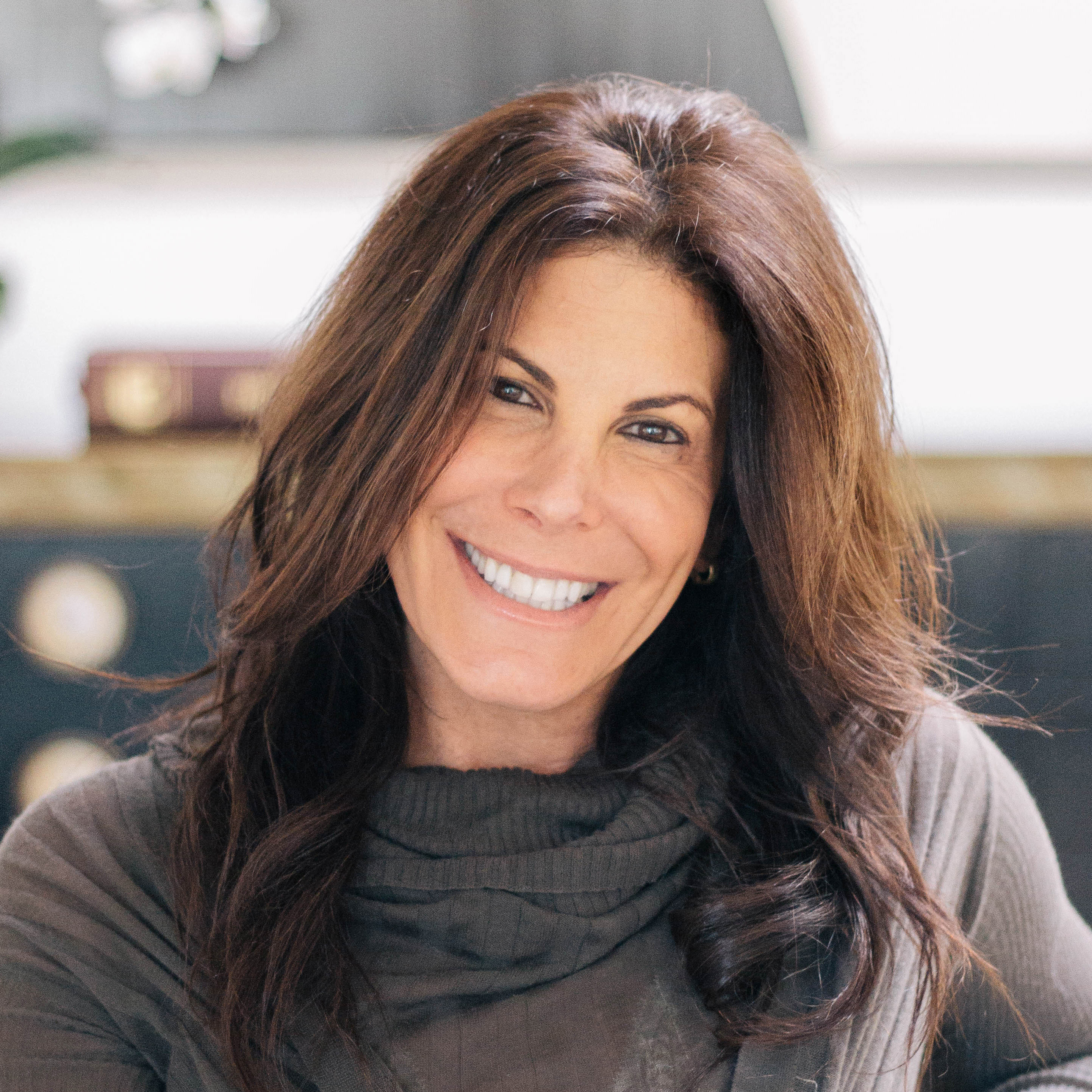
Ilene Smith
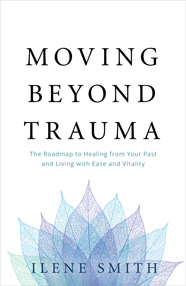
Ilene Smith is a certified professional coach and Somatic Experiencing practitioner, and the author of Moving Beyond Trauma: The Roadmap to Healing from Your Past and Living with Ease and Vitality. She holds master's degrees in mental health counseling and exercise physiology, along with certifications in professional coaching and Somatic Experiencing. Her work focuses on body-based therapy for healing the nervous system, and she has worked extensively with clients recovering from eating disorders and addiction.
📚 Books by Ilene Smith
Transcript
[0:00:16] NVN: Today, I’m so pleased to welcome author Ilene Smith to the show. Ilene is the author of the new book, Moving Beyond Trauma: The Roadmap to Healing from Your Past and Living with Ease and Vitality. In this episode, Ilene talks about how her work and research with healing the nervous system applies directly to the pandemic we all find ourselves in the midst of right now. She offers insight into how we are being impacted on a nervous system level, the ways in which this new reality are actually helping us to be more healthy and tips for being aware when we do find ourselves in moments of fear and anxiety. Ilene, welcome to the show. Thank you for joining us.
[0:00:59] Ilene Smith: Well, thank you for having me. I’m really excited to be here.
[0:01:04] NVN: I’m so excited to talk to you in general. And also, specifically at this period in our history when so much of what you have to say is really relevant. First and foremost, though, before we get into where we’re at currently, I would love it if you could just provide listeners with your definition of what trauma actually is.
[0:01:27] Ilene Smith: What a great way to start. So, the way I see trauma is that it’s anything that happens too much, too fast and too soon, without any ability to defend yourself. That energy gets locked in our bodies and that’s really the trauma. It’s not really about the event. It’s about that energy that we hold on to in that experience.
[0:01:51] NVN: I just love that description because trauma is sort of framed as such as a dramatic word and something that tends to happen to other people and not to us. But this is a much more broad definition that you’re giving to it.
[0:02:06] Ilene Smith: Well, I think that one of the things that I always like to tell people is that if you’re human, on some level, you’re going to experience trauma. Even now with the coronavirus crisis that we’re in, I mean, we can see it on everyone’s reacting to it differently. But certainly, too much too soon, too fast and without any ability to defend ourselves.
[0:02:27] NVN: Yeah, that’s true, the coronavirus is sort of the epitome of what you described as trauma.
[0:02:32] Ilene Smith: Yeah, no. For sure. It’s been wild from my perspective to be observing the world around us and it’s pretty crazy.
[0:02:42] NVN: Absolutely. I really want to dig into that. But to lay the ground work for that conversation, I want to talk about your thoughts, as a therapist, because so many of us think of therapy in a more traditional sense. Such as sitting down and talking with a counselor or it being this more cognitive intellectual process. And I’d love you to share what you do and how you think about therapy?
[0:03:10] Ilene Smith: You know, it’s really interesting because in the kind of therapy I do and just to give you the name of it, it’s called Somatic Experiencing and it’s developed by a doctor Peter Lavine. And in Somatic Experiencing, the talking is really, it’s less about the story and while we all need an empathic witness to our story, the stories that are told in the kind of therapy that I do is really to get us to the real story, which is what’s held in the body. I think that talk therapy is a wonderful way to get to know yourself. It’s a wonderful vehicle to create insight to understand your past, to link your past to how you’re experiencing life today. But to really resolve trauma, we need to bring the body into the healing process. The body, it’s almost like the body needs an empathic witness. And we need to – You know, when we experienced trauma, what happens is our bodies lose their sense of safety and so if you think about someone who has – let’s just say PTSD would be a good example, right? The person with the PTSD is walking round the world and they experience everything with a sense of danger. Because if they’ve been through a traumatic event and they didn’t get to defend themselves, that memory gets held in their bodies and in their tissue. In Somatic Experiencing and in body-based therapies, what we’re trying to do is really build the body as a safe container so that we can move through these past experiences with some sense of mastery. And when we do that, we sort of reintegrate and renegotiate those trauma memories back into the body.
[0:04:55] NVN: I love what you're talking about because if I really stop and think about it, in the times when I am triggered or my nervous system is fired up, that’s something that I feel. It’s a physical experience.
[0:05:09] Ilene Smith: Yeah, for sure. If you think about it, people say they’re anxious. Well, have you ever asked anyone like – I ask clients all the time, how do you know you’re anxious? What basically what you’re often going to hear from a person is, “Well, I feel it in my stomach, my heart’s racing.” Yes, these emotions that we talk about, they’re actually sensations. Like every emotion is linked to a sensation. So, if you think of it from that perspective, why wouldn’t we bring the body into the process to try to heal?
[0:05:43] NVN: let’s start to wind this into where we’re at right now and first, give listeners the opportunity to identify where they might be at right now? If the current pandemic is something that is triggering your nervous system in some way, what are some of the things that that might feel like?
[0:06:05] Ilene Smith: Well, I think what we’re seeing is, we’re seeing to think about what we’re seeing at the supermarkets, right? People are so anxious. They’re stocking up. And we’re seeing a lot of fear, right? Everything around this is because of all the uncertainty, we don’t feel safe. Uncertainty is going to bread fear, right? We live in a society where we truly, we’re so used to and we’re so conditioned for things to be a certain way and our whole world right now is turned upside down. I think we’re seeing panic. Look at what’s happening in the financial markets. We’re seeing people fearful of being ill, obviously. What this does is what we’re experiencing right now is we’re really experiencing a collective trauma vortex.
[0:06:52] NVN: Well first of all, explain to me what you mean by trauma vortex?
[0:06:56] Ilene Smith: A trauma vortex would be, we’re living in that sense of, we don’t – say it this way, we don’t have any sense of safety right now. When our bodies are not feeling safe, what happens is we go into our defense mechanisms basically turn on. We know that our defense mechanisms of fight, flight or freeze are meant for acute states. But when – What we’re experiencing right now is people living in this fight, flight or freeze and it’s becoming a chronic state because we’re in a crisis. We’re in a pandemic crisis. The vortex is that we’re swirling in those survival skills. You know, our stress hormones are up and collectively, we’re just like we’re manifesting more anxiety.
[0:07:48] NVN: Yeah, you know, I was really struck by what you were saying about like the experience of going to the grocery store. Because I know me, personally, I’ve been tracking this story since early January when it was in China. I had an awareness of the virus and what it meant and how it could be optimally dealt with. I was keeping it pretty cool. And it was not great to find out, but interesting to me to find out that I did okay until I went to the grocery store and that was when I really felt myself starting to go.
[0:08:23] Ilene Smith: Well, it wouldn’t make sense, right? Everybody around you is activated, right? Their systems are on high alert. So, think about, if other people are on high alert, think about what that’s going to do to the next person’s nervous system? I think what’s happening at the grocery stores is that one person is seeing that there’s no food left and so we get in – Everyone becomes this collective panic.
[0:08:47] NVN: Yeah, your survival instincts kick in. In a way totally separate from the virus itself.
[0:08:53] Ilene Smith: Right, why are people hoarding toilet paper and –
[0:08:57] NVN: It’s so bizarre.
[0:08:58] Ilene Smith: It’s like, it makes no sense. But I know like when I went to the store and there was no toilet paper, I came home and I took inventory.
[0:09:05] NVN: Yeah. Well yeah, you have to, totally. With all of this in mind, what are some things that we can practice when – especially when we’re in this situation where it’s sort of all-encompassing and anything you do to move about your daily life, you're reminded of this situation we’re in right now.
[0:09:27] Ilene Smith: Well, it’s actually asking a great question. The first thing I want to share is that, in order for a person to recover from a potentially traumatic event, the sooner a person can feel safe in the aftermath of the trauma, the more they have the capacity to recover. What does that mean? For me, it means, it’s funny. I just wrote an article on this. Staying connected to people, right? Finding our safe people to be connected with so we can’t obviously go out and you know, socialize but we can certainly do Face Time and whatever else we need to do to stay connected. I think the other thing which goes back to Somatic Experiencing and body-based therapies is that we really need to, during this time, try to stay embodied. What does that mean? It means, keeping our bodies moving. It’s about not disconnecting from ourselves. May mean for someone getting out for a walk if your state is allowing you to. It might mean, rolling out that yoga mat. Maybe it’s just dancing around your house and putting music on. But it’s really about trying a big piece of it is that we need to try to stay connected to ourselves and to people around us and we need to keep ourselves as a safe container as best as we can in the midst of all this. Those would be like the big things that I would say. And I think, if you have children, I think it’s really important that you talk to them and you’re honest and you share in a way that your full disclosure. But also trying to create safety for them. You know, giving them all the things that they need to be doing to keep themselves safe. Because, safety now, we don’t feel safe. We have to – within our own little bubbles that we’re living in right now, we have to try to create that.
[0:11:19] NVN: Yeah, I love this piece of what you just said because we are in such a sea of a lack of control right now. This is like a little piece of driftwood to hold on to, which is that we’re in a very unique position of being able to understand that we are in a traumatic situation or potentially traumatic situation as we are actually in the midst of it. And I was struck by you saying that the quicker we can recognize trauma, the easier it is to – I don’t want to put words in your mouth, to reset or heal, however you put it.
[0:11:58] Ilene Smith: Yeah. I think it’s really more about finding some sense of safety and orientation, like being able to find little pockets of safety within all of this. And like for me, part of my safety right now is keeping a routine. It is making sure that I have some sense of organization in my day. Because of what is going on around us is completely disorganized. And we are as a society, we are very disoriented to this new normal. It doesn’t feel normal and we also – The other piece of this too is that we are not used to our lives moving this slowly. So, our nervous systems are not used to this experience. I mean this is kind of old school, right? Like everything is slowing down. And our nervous systems are – You know we have been living everything has been moving so fast in our world for so long.
[0:12:54] NVN: Yes, it’s so true. I find myself constantly right now flashing back to the 80s when I was a kid. Like all of a sudden, the 80s feel so present in my mind.
[0:13:05] Ilene Smith: Oh completely, what I am noticing and you know I am here in Arizona so we are just now getting on I guess the shelter thing but people have been – I have never seen more people out walking than I have in the last couple of weeks because there is nothing else to do. So, people are now walking around the neighborhoods, like we did as kids, right? People sitting out in their front lawns or their front porches and waiting for people to come by to create some connection. It is very interesting.
[0:13:35] NVN: It’s fascinating. I noticed about a week and a half into this that, despite the fact that there is this very real pressing thing, my body all of a sudden unlocks and I haven’t even realized how tight it was until all of a sudden one day, I was like, “Whoa, it’s gone.” And to me it seems like there’s this other thing that can be happening right now, at least I am experiencing it where it is almost like we have this opportunity to trade in those million invisible little stresses that just compound from all of this running around and all of the busy things we do, sort of trading it in for this one very big stressful thing. But it is something we can see and that we have to be slow in the face of.
[0:14:27] Ilene Smith: Yeah, we are being forced. But it’s certainly changing – I think it is changing our perspective on everything. I mean I think that people are really beginning to re-prioritize, which you know is not a bad thing. I mean this is an awful – the pandemic is awful. But there is going to be some really wonderful things that come out of this for a lot of people.
[0:14:48] NVN: Yeah, I agree with you. What as someone in your line of work would you like to see people take away from this?
[0:14:57] Ilene Smith: It is a really good question. I think that the big thing, I would say is that the connectivity piece that is happening right now. I know for myself, I have heard from people that I haven’t heard from forever. So, all of a sudden we’re taking because we have more time, we are actually taking the time to talk to each other, okay? It’s no more – I am you know there is less texting and there is more Face Timing and there is more phone calls. There is just more real connectivity in a way that we haven’t seen it like you talk about the 80s right. So, I think the big things is the connectivity piece. Perhaps it’s about maybe it is less – We are not as impulsive, I think, because we are being forced to not be able to have the instant gratification on so many levels, right? The shopping, you know all of that –
[0:15:48] NVN: The escapes are gone.
[0:15:51] Ilene Smith: All of our distractions are gone. I’ll be honest with you, I’ve had days where I am like, “Well, I’m bored,” and I’m like, “Wait a minute that is a choice.” Being bored is going to be a choice. So, I think those are the big things are really connectivity and seeing that we are becoming less impulsive through this.
[0:16:07] NVN: Yeah, it is such a fascinating experience to have all of your outlets and distractions taken away at once. I’m in California and there was a moment here, this was really only a couple of days, but when everything was shut down, we were just adapting to this. It was closer to the beginning and then along with that the internet started going down because there was just so much usage. And that was a really interesting feeling just like watching all of the places we run to one by one sort of go away.
[0:16:42] Ilene Smith: Yeah, so I think what we are seeing is and especially I think things are beginning to settle. I think people settling into this, but I think the first week or so of this the level of anxiety that I was seeing around me because of everything you are saying like we can’t go out. Our nervous systems were almost overloaded with the slowness. It is like our systems couldn’t tolerate the fact that we had to slow. We were being forced to slow down this much.
[0:17:14] NVN: Ilene, what I would love to do is give listener just a little tool to walk away with. So, say we’re at a moment where we are getting a grocery delivery and can feel our nervous system sort of ticking up out of fear about cardboard boxes or making hand to hand exchanges with people. What can we do in that moment to begin to bring ourselves down?
[0:17:42] Ilene Smith: The first thing we need to do is we need to start observing. So, we are so right now especially with all of the media coming at us, we are so caught up in the story, right? Every day there is a new piece to the story. And so when we are dealing with ourselves and the delivery guy shows up, it is like the narrative needs to look something like, “I notice that I am feeling nervous about this guy coming towards my house.” “I notice that I am not six feet away. I notice that,” whatever it is that you’re noticing within your system. “I notice that my heart is beating faster.” Because the first step in trying to manage the nervous system is we have to become our own observers. And we are so conditioned not to feel and not to be in our own experiences that we have to reel it back in. And the reason why we get more caught up in our story than being in our own observation is because it’s scary for us to feel. But until we can start observing ourselves, we really can’t start healing. Observation is always the first step.
[0:18:53] NVN: Beautiful. I love that because we can – each one of us has the capacity to do that.
[0:18:58] Ilene Smith: Yeah, it is available to us at any time, right? We’re are we so caught up in the why we’re experiencing things and so now if we can just bring ourselves back to what’s happening because we use the why’s as a distraction to the what. Because the what means we have to experience our bodies. What is happening in the body is really scary for us. And so, many levels we just keep wanting to go deeper into a cognitive process and that takes us further away from being present.
[0:19:29] NVN: What struck me is you were just saying that is that we’ve been talking about opportunities that exists within this and it seems to me like whereas in so many of our own personal lives when we are working through things at least it can feel like there is a complicated story or all of these unknown pieces we have to fit together. This is not complicated, necessarily. We know what’s going on and why it’s happening. So, it seems like that can sort of get us into habit of getting out of the why like you just said and allowing us to just observe ourselves and move from there.
[0:20:07] Ilene Smith: Well, think about why do people watch the news so much? If you watch the news you don’t have to be in your own experience.
[0:20:13] NVN: Yeah.
[0:20:15] Ilene Smith: So, if that is why – I mean like one of the things I recommend for people is, “okay, find a good new source, stick to that source and you can check in with your newS source two or three times a day for 15 to 20 minutes and that’s it.” Because beyond that then you are just trying not to have the feel. The watching the news all day is a way to numb yourself out from what you are experiencing.
[0:20:37] NVN: Yeah or to throw yourself into a panic. I mean I know I’ve had that experience before. I’ve learned I just have to stay away from the news at this point or else I go into a pretty big reaction.
[0:20:49] Ilene Smith: Oh, for sure. Even the reaction is a way to distract you from what you were experiencing before you can turn the news on.
[0:20:58] NVN: Okay.
[0:20:59] Ilene Smith: So okay, if I turn the news on, I can distract myself from that and I can be in this other story, right? It just moves you away from – it moves you away from your own experience of the intensity that you are feeling within yourself, right? You can get into the bigger collective trauma piece of it.
[0:21:15] NVN: Okay, so what I am taking away from this that I know I will be cognizant of in my own life is to really be mindful about connecting, about observing and about moving, making sure there is some physical activity built in the day.
[0:21:33] Ilene Smith: A 110%. And you know the movement piece, you know I tell people this all the time. It is like if you can’t be, if you’re not embodied you then can’t get curious about what’s going on within you and around you. And like this is really an opportunity for us at this time since we’re home that we can get curious about different things. We have opportunities to learn and educate ourselves and maybe take up new hobbies. And so, if we not embodied and we are hovering above ourselves, we are never going to take advantage of this time for those things.
[0:22:09] NVN: Excellent. All right, the book again is Moving Beyond Trauma by Ilene Smith. I just want to point out that obviously Ilene, there is so – you cover a much broader range of topics in this book. I just could not resist the opportunity to talk to you about what is going on right now because I think you do have such valuable and pertinent things to say in this situation.
[0:22:33] Ilene Smith: Well, thank you. And you know I feel on some level grateful for the timing of this book because I really do think that it will help people move through this experience and find a way to heal from it because we are going to need a lot of healing from this.
[0:22:50] NVN: Absolutely, Ilene outside of the book where else can listeners find you?
[0:22:55] Ilene Smith: My website is ilenesmith.com and Ilene is Ilene, ilenesmith.com. I am also on Instagram, which is Ilene Smith Trauma Healing and Facebook as well and I think that is about it.
[0:23:09] NVN: Perfect. You voice is so calming I think the next time that I go into a grocery store panic, I am just going to call you.
[0:23:18] Ilene Smith: You are welcome to call me anytime.
[0:23:21] NVN: All right Ilene, best of luck with the book. Thank you so much for joining us today.
[0:23:26] Ilene Smith: Thank you so much.
[0:23:28] NVN: Thanks for joining us for this episode of Author Hour. You can find Moving Beyond Trauma, on Amazon. For more Author Hour, hit the subscribe button on your favorite podcast service. Thanks for joining us, we’ll see you next time. Same place, different author.
Want to Write Your Own Book?
Scribe has helped over 2,000 authors turn their expertise into published books.
Schedule a Free Consult