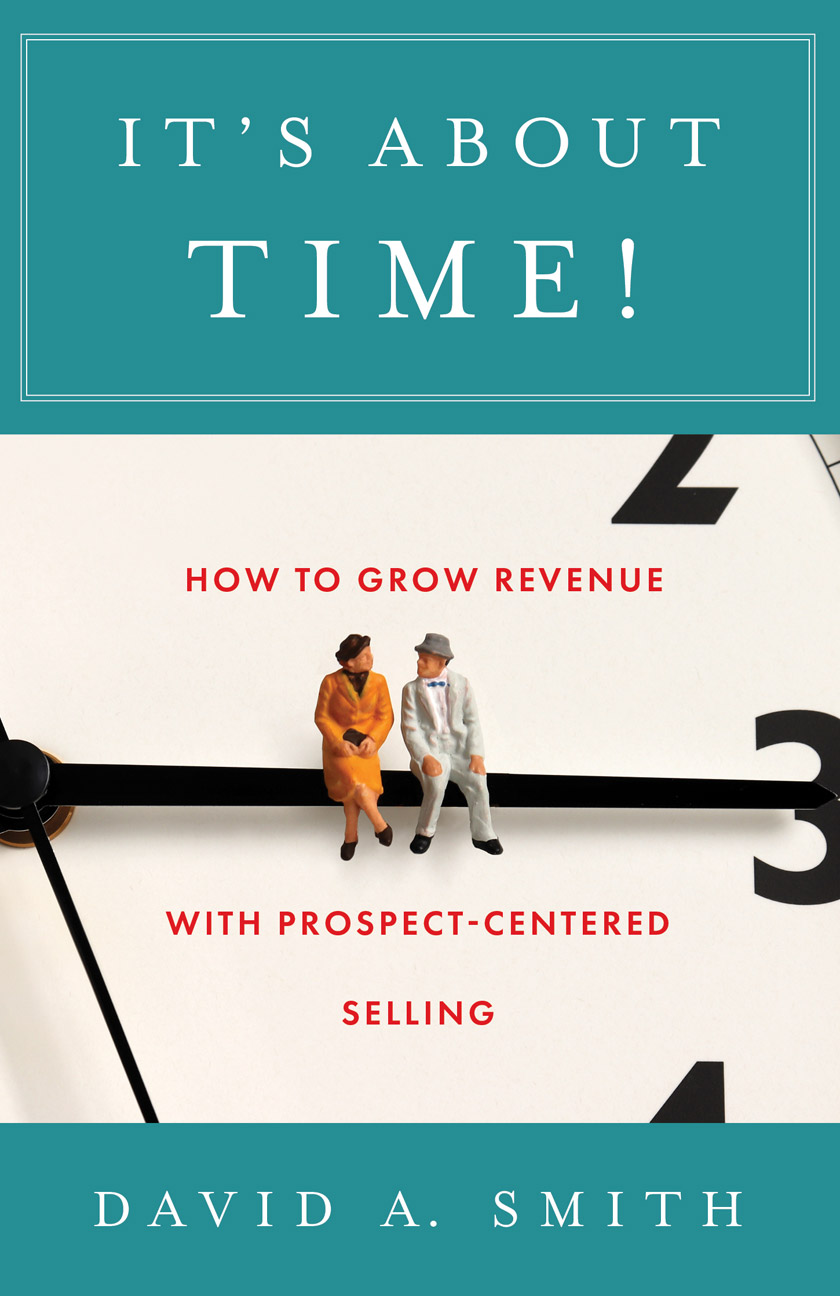
David Smith: It's About Time: How to Grow Revenue with Prospect-Centered Selling
Read the full transcript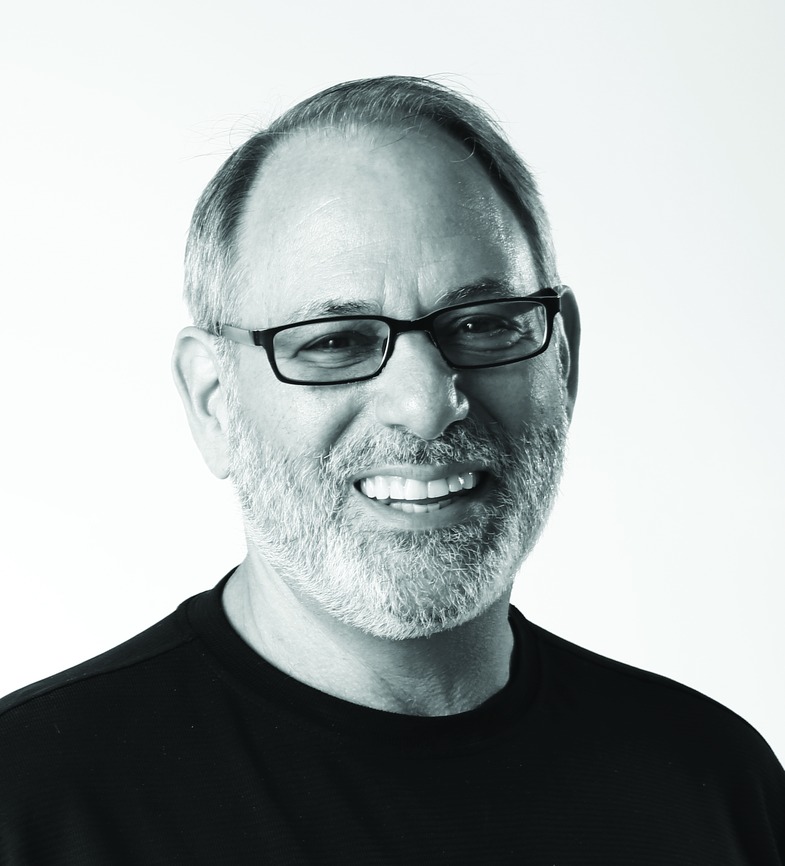
David Smith
David is a fearless entrepreneur, attorney, and real estate agent. At thirty-five, he became a developer, co-owner, and manager of The Gatesworth, McKnight Place, and Parc Provence, senior living communities nationally recognized for innovation and quality services. David spent decades studying the senior housing sales process at his own properties as well as dozens of third-party consulting sites. In 2014, he co-founded Sherpa, a SaaS-based CRM and sales enablement platform that brings empathy and the science of Prospect-Centered Selling® to life.
David is passionate about teaching, training, and mentoring colleagues, including hands-on sessions in the sales office to ensure his approach stays fresh, effective, and compassionate.
📚 Books by David Smith
Transcript
[0:00:32] DA: Imagine trying to inspire people who need help but who are actively resisting change. That’s the essence of heroic selling. In his new book, It’s About Time, David Smith chronicles his 30-plus-year journey into senior living. He reveals how to turn deep seated resistance into successful conversions. His field-tested technique, prospect-centered selling, is based on a theoretical model adapted from the psychology of change. It’s a strategy supported by data driven metrics and a purpose-built CRM platform. David’s book provides case studies and is a step-by-step guide that will show you how to double your close rates, drive higher occupancies, and achieve faster fills. It will not only boost your performance but it will help hundreds of thousands of people get ready for a new and vibrant chapter in their lives. Hey, listeners. My name is Drew Applebaum and I’m excited to be here today with the author of It’s About Time: How to Grow Revenue with Prospect-Centered Selling. David, thank you for joining, welcome to The Author Hour Podcast.
[0:01:34] David Smith: Great to be here, Drew, thanks for having me.
[0:01:37] DA: Let’s kick this off. Can you give us a rundown of your professional background?
[0:01:41] David Smith: Sure. I started as a kid trying to figure out what I wanted to do in a relatively poor but hard-working family and always thought I wanted to do something heroic, something that would be helpful to other people and I started into a law profession, I practiced for 10 years. I was a partner in a firm and after a while, found myself pretty good at fighting over money but not particularly all that enthusiastic about it. I had sold residential real estate, a lot of it to put myself through law school and through college and I had an idea that it might be interesting to provide a very service enriched environment for older adults. It was a new concept at that time, there were some institutionalized places but nothing of really high end and decided that with some partners I was going to build a place where we would like to live. We were in our 30s at the time and my partners were residential builders and multi-family operators. I drew on my experience, I was confident that I could fill the place, they were going to build it and I was going to fill it and it turned out, their job was relatively easy and mine was really hard. I was really good at selling houses and selling multi-family and dealing with older adults, thinking about moving into a retirement community with all kinds of negative preconceived notions and a lack of understanding as to what the real benefits are and really fear of change and fear of moving made it incredibly difficult. We struggled – in hindsight we did great but at the time, based on our projections, we struggled to get filled. I was the point guy in the trenches with these older folks trying to figure out why is it that it’s so obvious that you would benefit logic ally from what we have to offer and yet, you can’t find a way to be able to say yes or to entertain it and I had that challenge to try to figure that out and that’s where Prospect-Centered Selling was born and eventually grew out of.
[0:03:59] DA: Why was now the time to share the stories in the book? Was there something inspiring out there, did you have an “aha moment” or did somebody come up to you or multiple people come up to you and say, “Hey David, you got to write this down.”
[0:04:12] David Smith: Actually, a few people did say that but what happened was, is that over time, over the past really 35 years, the very core concepts that are embedded in the Prospect-Center Selling methodology had become generally accepted throughout the world of selling and through much of how we look at hospitality and service deliver, specifically empathy and spending more time with less people and dealing with emotional intelligence, those have all become more apparent and more acceptable Prospects-Centered Selling actually got a huge boost from the fact that we embedded it in the methodology into a CRM and now have thousands of people who are using it every day, generating data. The theoretical model that we developed and we field tested and we knew worked, because we could do it and we could teach other people to do it using the theoretical model we were now able to take millions of transactions and actually look at sales performance data and see that the same general principles that we’ve adopted actually produce higher conversion rates and the availability of that data has led in part is what led to the publication at this time.
[0:05:38] DA: Now, when you said, “Okay, I’m going to write this down” a lot of times you’ll have the idea of the book in your head but during the writing process and sometimes by doing research or just by digging deeper to some of the subjects, you come to some major breakthroughs or learnings. Did you have any of these major breakthroughs or learnings along your writing journey?
[0:05:55] David Smith: That’s a great question Drew. I think what happened to me, because I have been teaching and training and studying and researching and writing about this material for a long time, was that organizing and narrating it in a book form helped clarify and simplify a lot of the terms. It forced me to create a more clear version to articulate and tell stories from.
[0:06:23] DA: When you were writing the book, in your mind, who are you writing this book for? Is this for salesmen only or can people not in sales have takeaways as well?
[0:06:34] David Smith: Interesting question. The audience can be for somebody who is involved hands-on directly in sales as I had been for myself for many years and certainly coming from that position or that role of trying to help an older adult and their family members make a decision about whether to move and if so, when and when’s the best time and where should they move. If you engage in that, this book will speak to you, it will also speak to you if you’re one of the of the people who works in that organization either doing the marketing, taking care of residence, delivering the actual services that will be marketed and sold, even if you’re an investor or an owner-operator within the industry, it will speak to you. Then, what’s interesting is because one of the things that’s unique about senior housing or senior living communities is that no intended customer actually wants to buy or move into the product. That’s unusual but it’s not unique. There are other kinds of products and services that people resist. Whether it’s weight loss, smoking cessation, drug and alcohol abuse, anything with a high dollar volume where there is a large change in your life circumstances that’s involved, the very same kind of Prospect-Centered Approach is helpful, it’s built upon the psychology of change and it can apply to a variety of change.
[0:08:06] DA: Can you talk about the state of senior living and maybe what that term actually entails?
[0:08:13] David Smith: Sure, it’s a term that has really evolved and has evolved a lot in the three decades that I myself have had a career in that industry. When I started, there was the first migration away from the old folk’s home, just kind of some barbaric situations that people would be put into in old age that run by the church, that were run by the state and highly institutional, not much choice and there was really no notion of selling or marketing because the demand was greater than the supply and no one would go there unless they were forced. When I got involved, there was a new generation of product that was becoming available that was much more residential, it was really built with a consumer in mind. At our community for example that we’ve built, we opened 1988, three restaurants all different themed restaurants, three private dining rooms and bars, catering service, a hundred sloped-seat theater, Olympic-sized pool and workout rooms. We built a whole community, libraries, meeting and gathering rooms and we thought that if we would build a place for ourselves, ourselves in our late 30s, that we would want to live in, we could attract people who were at an age and stage of life where they needed to move. We thought it was the field of dreams but it didn’t work that way at all. We built it and people came, they were curious but it was very difficult to convert someone mostly because of the recognition of loss that was necessary to say, “I’m going to move to one of those places” that’s what the art of the psychology of change, that’s where my whole theoretical model and approach took a change in direction.
[0:10:00] DA: Yeah, you know, you’ve been mentioning, you’re saying like senior living is a difficult sell and there are barriers there. How do you have that conversation to change somebody’s mind and at least, their whole perception of what senior living and senior living centers would actually look like?
[0:10:14] David Smith: What I’ve learned over the years is that the only person that can change a prospect’s mind is the prospect and that’s why traditional selling, which is intended to convince or persuade or use reason and logic to help someone understand the benefit of a buying decision only works if the person is predisposed as a demand that actually want and have a desire for the product in the first place, which is most things that we buy and sell. You know, there are things like divorce or extraction of wisdom teeth or brain surgery that people don’t actually want and moving to a senior retirement community is one of those things. Only about 10% of the people that would benefit from moving in actually will ever move there. 90% will say no and so it becomes a very difficult challenge to figure out, “How can I motivate, inspire and guide someone through the change process of letting go of their existing identity?” Who they are, how they see themselves in the world, how they present and where they live and change that notion of home, how can I help them to see that that might be better for them? It all has to do with overcoming resistance to change and fear of change.
[0:11:31] DA: I think you had some interesting statistics in the book and you talked about the real importance of senior living facilities to be at or come close to 100% occupancy because higher occupancy can actually benefit the people living there. Can you talk about that?
[0:11:50] David Smith: Most senior communities, especially those that are on the higher end in terms of service and options for their residents have very high fixed costs. After you get to let’s just say 80 something, 85% occupancy, you really don’t add much staff. Your executive director, your housekeeping director, your maintenance director, your marketing people, your food service employees and so forth, your nurses are all basically in place. In the financial model of high fixed cost, it’s difficult to make an operating profit until you’re nearly full and then all of the money, all of the additional revenue pretty much falls to the bottom line because there is not a lot of variable costs. Anyway, it’s important for these communities to be financially viable that they get very close to being full and stay there.
[0:12:41] DA: Let’s dig into the title of the book a little bit more. You developed this method called “Prospect-Centered Selling” or PCS as you call it. Can you talk about what PCS is and what a company or sales team can expect when moving or transitioning over to this method?
[0:12:59] David Smith: The data shows huge increases in results and so that’s the main reason to even think about changing the perspective is that from our experience and from a ton of data now, it works. It works for higher fills, faster occupancies, basically to generate revenue to help someone get past an emotionally resistant no to a, “Yes, I’ll consider the logical benefits” pro and con. That’s about all Prospect-Centered Selling does is facilitates buying so that you’re in a position to be able to sell. You help untangle emotional resistance through some questioning techniques and these are all set out and described in the book in a very practical way with some stories and examples and you can help people untangle their emotional resistance but not unless and until you first connect, build a trusting bond with them, an empathic one based on emotional intelligence. The process of Prospect-Centered Selling is really quite simple, it’s three steps, connect, build these empathic relationships so that you’re then invited in as a trusted advocate or a counselor, as a helper, as a guide to help untangle emotional resistance so that somebody can then advance through a logical decision.
[0:14:24] DA: You’ve mentioned the software multiple times as well. Can you talk about how the data and software side of this came together and does it help with the method? Does it discover the perfect lead? Where does the software in your CRM tools play within the method?
[0:14:40] David Smith: We developed, myself and my partner Alex Fisher developed Prospect-Centered Selling and we’re able to operate not just when we were selling ourselves, where we were effective but also where we teach and train teams but it was extremely difficult for us to collect data and to scale and at one point, Alex who bore the brunt of trying to keep track of most of that information inspired us to go look into developing our own CRM and within the CRM to create workflows that supported the very behaviors that we found increase sales conversions. It made it easier for our prospects, older adults to buy and then we also were able to embed workflows that help promote the behaviors we were trying to encourage and that we knew produce results and then create a new set of metrics that would measure the success and the performance and the effectiveness of the selling efforts in ways that were relevant to the result.
[0:15:44] DA: Will anything change with senior living centers in general when the majority of the baby boomer generation needs to start looking into and finding senior living?
[0:15:55] David Smith: Wow, I would think so. I would hope so. It’s probably not. I’m at the early end of the baby boomers. I’ll be 71 next month, I’m not quite ready but I can see that it won’t be that long until we are and I think our generation has done different things in society and in housing and in lifestyle. We’ve been pushing the envelope from the generation before all the way through the life cycle. I don’t think it will stop once we hit our 80s.
[0:16:25] DA: What steps do you hope that readers will take after finishing the book?
[0:16:30] David Smith: Well, I hope that it will encourage and inspire what we call heroic selling. Actually selling that’s based upon an empathic understanding and concerned, a deep seated curiosity about the person that you are working with or the willingness to concede, control an autonomy to help somebody authentically reach a decision that’s best for themselves and best for the lives and the decision making process that’s complex because the results, the physical impacts, the emotional impact of aging are complex, you know invasive into every part of one’s life. Helping somebody through that and redefining themselves and having the confidence and the courage and the direction to launch a new chapter, that’s the heroic part. That’s the inspiring part.
[0:17:21] DA: Well David, you know we just touched on the surface of the book here but I just want to say that writing a book with these really great new sales techniques and just educating people on senior living is no small feat, so congratulations on having your book published.
[0:17:35] David Smith: Thank you. May I interject one other thought?
[0:17:38] DA: You sure can.
[0:17:39] David Smith: One of the thoughts that we injected in Prospect-Centered Selling in terms of measuring sales effectiveness was the notion of time and specifically, what we call in the selling zone, time directly spent selling. It was curious to me that in the history of sales literature, no one actually measured time as a barometer, as a gauge if you will, of engagement in an emotional connection. We found it to be incredible. Once you see and once you say it and once you think about how we look at time in terms of performance and every other aspect of business even in the world of senior housing, whether it’s food service or nursing or housekeeping, how long it takes for a one bedroom or a two bedroom, time is always being measured but never before in sales and so that was a real eye-opener for us. It opened up a lot of possibilities in terms of gauging performance once we introduced the idea of time in the selling zone.
[0:18:41] DA: I do have one question left and it is the hot seat question. If readers could take away only one thing from the book, what would you want it to be?
[0:18:49] David Smith: In situations like senior living where people need help and would benefit from products but resist because of emotional resistance and fear and things that are emotional but real, you can help those people get through those fears and those emotions. You can help them make a rational, intelligent, beneficial decision if you’re courageous enough to take a leap of faith and go try to help them, and authentically try to help them. It’s in the attempt to help that prospects wanting to be able to help themselves, not all the time but many, many times, and it’s deeply rewarding. It’s noble. Come join us.
[0:19:33] DA: David, this has been a pleasure and I’m excited for people to check out the book. Everyone, the book is called, It’s About Time, and you could find it on Amazon. David, besides checking out the book, where can people connect with you?
[0:19:43] David Smith: Currently, there is a page, an author page on www.sherpacrm.com.
[0:19:50] DA: Thank you so much for coming on the show today and best of luck with your new book.
[0:19:55] David Smith: Thank you so much. I appreciate it.
[0:19:58] DA: Thanks for joining us for this episode of Author Hour. You can get David Smith’s new book, It’s About Time, on Amazon. Also, you can also find a transcript of this episode and all of our other episodes on our website at authorhour.co. For more Author Hour, subscribe to this podcast on your favorite subscription service. Thank you for joining us, we’ll see you next time. Same place, different author.
Want to Write Your Own Book?
Scribe has helped over 2,000 authors turn their expertise into published books.
Schedule a Free Consult